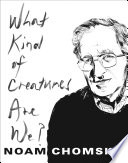
In this book, the author delves into the essence of humanity, questioning what it means to be human. The exploration begins with a philosophical inquiry into consciousness, identity, and the human experience. The author argues that understanding our nature is vital to addressing the existential dilemmas we face in modern society. By examining the biological, psychological, and social aspects of being human, the book suggests that we are not just biological organisms but complex beings shaped by culture, history, and personal experiences. This multifaceted view encourages readers to reflect on their identities and how they relate to others and the world around them.
Continue readingThe book discusses the profound impact of technology on human existence. It highlights how technological advancements have altered our perceptions, interactions, and even our cognitive processes. The author argues that while technology has the potential to enhance human capabilities, it also poses risks, such as the erosion of privacy and the blurring of lines between human and machine. This idea invites readers to critically evaluate their relationship with technology, urging a balance between embracing innovation and maintaining our humanity.
Continue readingOne of the central themes of the book is the interconnectedness of all living beings. The author emphasizes that humans are not isolated entities but part of a larger ecosystem. This idea extends to our relationships with other species and the environment, suggesting that our survival is linked to the health of the planet. By fostering a sense of responsibility towards other forms of life, the book advocates for a more sustainable and compassionate approach to living, encouraging readers to recognize their role in the web of life.
Continue readingThe exploration of ethics and morality is a significant aspect of the book. The author raises questions about what constitutes right and wrong in a rapidly changing world. With the advent of new technologies and societal shifts, traditional moral frameworks are challenged. The book encourages readers to engage in ethical reasoning and to consider the implications of their actions on both a personal and societal level. This discussion is crucial for fostering a more just and equitable world, urging individuals to take responsibility for their choices.
Continue readingA recurring theme in the book is the search for meaning and purpose in life. The author argues that in a world filled with distractions and superficial pursuits, it is essential to seek deeper fulfillment. This quest for meaning is portrayed as a fundamental aspect of the human experience, driving individuals to explore their passions, values, and beliefs. The book encourages readers to reflect on their lives and to pursue what truly matters to them, fostering a sense of authenticity and connection to their true selves.
Continue readingThe author contemplates the future trajectory of humanity, considering the challenges and opportunities that lie ahead. This idea encompasses discussions about climate change, technological advancements, and social inequalities. The book posits that the choices we make today will shape the future of our species. By advocating for proactive engagement with these issues, the author inspires readers to envision a better future and to take action in their communities and beyond, reinforcing the notion that collective efforts can lead to meaningful change.
Continue readingThe final key idea emphasizes the importance of dialogue and understanding in bridging divides among people. The author argues that in an increasingly polarized world, open communication is essential for fostering empathy and collaboration. By engaging in meaningful conversations, individuals can break down barriers and build a more inclusive society. The book encourages readers to embrace diversity and to seek common ground, highlighting that understanding others is a crucial step towards creating a harmonious world.
Continue readingThe reading time for What Kind of Creatures Are We? depends on the reader's pace. However, this concise book summary covers the 7 key ideas from What Kind of Creatures Are We?, allowing you to quickly understand the main concepts, insights, and practical applications in around 21 min.
What Kind of Creatures Are We? is definitely worth reading. The book covers essential topics including The Nature of Human Beings, The Role of Technology in Shaping Humanity, The Interconnectedness of Life, providing practical insights and actionable advice. Whether you read the full book or our concise summary, What Kind of Creatures Are We? delivers valuable knowledge that can help you improve your understanding and apply these concepts in your personal or professional life.
What Kind of Creatures Are We? was written by Noam Chomsky.
If you enjoyed What Kind of Creatures Are We? by Noam Chomsky and want to explore similar topics or deepen your understanding, we highly recommend these related book summaries:
These books cover related themes, complementary concepts, and will help you build upon the knowledge gained from What Kind of Creatures Are We?. Each of these summaries provides concise insights that can further enhance your understanding and practical application of the ideas presented in What Kind of Creatures Are We?.