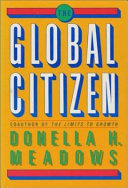
Book cover The Global Citizen
Select an audio
0:00
Intro - The Global Citizen --:--
1. Understanding Global Citizenship --:--
2. Cultural Awareness and Sensitivity --:--
3. Social Justice and Equity --:--
4. Environmental Responsibility --:--
5. Active Participation and Advocacy --:--
6. Education as a Tool for Empowerment --:--
7. Building Global Networks and Alliances --:--

The Global Citizen

Donella H. Meadows

22 min

Summary

The Global Citizen is a thought-provoking exploration of what it means to be a global citizen in today's interconnected world. The book delves into the responsibilities and opportunities that come with embracing a global identity, urging readers to consider their roles in fostering a more equitable and sustainable future. At its core, the book posits that global citizenship is not merely a concept but a call to action, prompting individuals to engage actively with the world around them. Through the lens of cultural awareness, social justice, environmental responsibility, and active participation, the author paints a comprehensive picture of the challenges and triumphs of global citizenship. The narrative encourages readers to recognize the interconnectedness of global issues, emphasizing that local actions can have far-reaching consequences. By fostering cultural sensitivity and understanding, individuals can break down barriers and build bridges across diverse communities. The book also highlights the importance of advocating for social justice and equity, urging readers to challenge systemic inequalities and work towards empowering marginalized voices. Environmental stewardship emerges as a critical theme, with the author calling for a collective commitment to protecting the planet for future generations. The narrative underscores the role of education as a transformative force, equipping individuals with the knowledge and skills needed to navigate complex global challenges. Finally, the book emphasizes the importance of building networks and alliances, advocating for collaborative efforts to address pressing global issues. In essence, The Global Citizen serves as a guide for individuals seeking to embrace their roles as responsible members of a global community, inspiring them to take meaningful action towards a more just and sustainable world.

Understanding Global Citizenship

The concept of global citizenship transcends national boundaries, emphasizing a sense of belonging to a larger community. It encourages individuals to see themselves as part of a global society, responsible for the welfare of others regardless of geographical location. This idea stresses that global citizens are aware of the interconnectedness of the world, recognizing how local actions can have global repercussions. By understanding global citizenship, individuals can embrace diversity, promote social justice, and advocate for sustainable practices that benefit humanity as a whole.

Continue reading
The concept of global citizenship is a profound and expansive idea that goes beyond mere national identity, urging individuals to recognize their role within a broader, interconnected community that spans the globe. This notion fosters a sense of belonging not just to one’s own country, but to humanity as a whole, encouraging people to see themselves as integral parts of a larger societal framework.

At its core, global citizenship emphasizes the importance of understanding and embracing the shared humanity that binds individuals across diverse cultures, languages, and geographies. It challenges the traditional notions of citizenship that are often tied to specific nations or regions, instead promoting a worldview that appreciates the richness of global diversity. This perspective encourages individuals to engage with and learn from different cultures, fostering mutual respect and understanding among people from varied backgrounds.

Furthermore, global citizenship entails a heightened awareness of the interconnectedness of global issues. Individuals are encouraged to recognize that actions taken in one part of the world can have significant effects elsewhere. For instance, local environmental practices can influence global climate patterns, and economic decisions made in one country can impact the livelihoods of people in another. This awareness cultivates a sense of responsibility, prompting individuals to think critically about their choices and the potential consequences they may have on others.

In embracing the principles of global citizenship, individuals are called to advocate for social justice and equity, recognizing that systemic inequalities and injustices affect people worldwide. This advocacy involves not only raising awareness about global issues such as poverty, discrimination, and human rights violations but also taking tangible actions to address these challenges. By standing in solidarity with marginalized communities and supporting initiatives that promote fairness and equality, global citizens contribute to a more just world.

Moreover, the idea of global citizenship promotes sustainable practices that are essential for the well-being of the planet and future generations. It encourages individuals to consider the environmental impact of their lifestyles and to adopt practices that support ecological balance. This includes advocating for policies that protect natural resources, supporting sustainable development initiatives, and engaging in practices that reduce carbon footprints. By prioritizing sustainability, global citizens work towards a future where both people and the planet can thrive.

In summary, understanding global citizenship involves recognizing one's place within a vast, interconnected world and embracing the responsibilities that come with it. It is about fostering a sense of belonging to a global community, promoting diversity, advocating for social justice, and committing to sustainable practices that benefit all of humanity. This comprehensive understanding empowers individuals to act thoughtfully and compassionately, ultimately contributing to a more harmonious and equitable world.

Cultural Awareness and Sensitivity

Cultural awareness is a crucial aspect of global citizenship. The book underscores the importance of understanding and respecting different cultures, traditions, and values. It advocates for empathy and open-mindedness, encouraging readers to engage with cultures different from their own. This idea highlights how cultural sensitivity can lead to more harmonious interactions and foster collaboration across borders. By appreciating cultural diversity, global citizens can work towards dismantling stereotypes and prejudices, paving the way for a more inclusive world.

Continue reading
Cultural awareness and sensitivity are fundamental components of being a global citizen, emphasizing the need for individuals to recognize and embrace the rich tapestry of human experiences that exist across the globe. This concept goes beyond mere acknowledgment of cultural differences; it calls for a deep understanding and appreciation of the diverse traditions, beliefs, and practices that shape the identities of various communities.

The text delves into the significance of empathy as a cornerstone of cultural awareness. Empathy involves the ability to put oneself in another person's shoes, to feel what they feel, and to see the world through their perspective. This practice is essential in fostering genuine connections with individuals from different backgrounds. By cultivating empathy, one can bridge the gaps that often exist between cultures, leading to more meaningful interactions and relationships.

Open-mindedness is another critical element highlighted in the discussion of cultural sensitivity. This involves being receptive to new ideas and experiences, allowing oneself to be challenged by perspectives that differ from one's own. Open-minded individuals are more likely to engage in constructive dialogues, where they can learn from others and share their own insights without the fear of judgment or misunderstanding. This exchange of ideas can enrich one's understanding of the world and promote a sense of solidarity among diverse groups.

The text further emphasizes the role of cultural sensitivity in promoting harmonious interactions. When individuals approach others with respect and a willingness to learn, it creates an environment where collaboration can flourish. This is particularly important in an increasingly interconnected world, where cross-border partnerships and global initiatives require individuals to work together despite their differences. Cultural sensitivity can help dismantle barriers that often lead to conflict, enabling people to find common ground and work towards shared goals.

Additionally, the discussion touches on the detrimental effects of stereotypes and prejudices, which can arise from a lack of cultural awareness. These biases often stem from misinformation or limited exposure to different cultures, leading to misconceptions that can perpetuate division and hostility. By actively engaging with and appreciating cultural diversity, individuals can challenge these stereotypes and foster a more inclusive environment. This not only benefits the individuals involved but also contributes to a broader societal shift towards acceptance and understanding.

In summary, the exploration of cultural awareness and sensitivity presents a compelling case for the importance of empathy, open-mindedness, and respect in the pursuit of global citizenship. It urges readers to actively seek out opportunities to engage with diverse cultures, recognizing that such interactions are not merely beneficial for personal growth but are essential for building a more harmonious and collaborative global community.

Social Justice and Equity

The book emphasizes the necessity of advocating for social justice and equity on a global scale. It discusses the systemic inequalities that exist within and between nations, urging readers to recognize their roles in challenging these injustices. The idea of social justice is tied to the belief that everyone deserves equal rights and opportunities, regardless of their background. By promoting equity, global citizens can contribute to creating systems that empower marginalized communities and support sustainable development, ultimately leading to a more just world.

Continue reading
The emphasis on social justice and equity within the context of global citizenship revolves around a profound understanding of the systemic inequalities that permeate societies worldwide. It is essential to recognize that these inequalities are not merely individual issues but are deeply rooted in historical, political, and economic structures that perpetuate disadvantage for certain groups. The text encourages readers to critically analyze these structures and their own positions within them, fostering a sense of responsibility to advocate for change.

At the core of social justice is the belief that every individual, regardless of their race, gender, socioeconomic status, or nationality, should have equal access to rights and opportunities. This belief challenges the status quo and calls for a redistribution of power and resources to ensure that marginalized communities are not left behind. The discussion extends beyond mere acknowledgment of these issues; it presses for active engagement in dismantling the barriers that prevent equity.

The narrative highlights the interconnectedness of global issues, illustrating how injustices in one part of the world can have ripple effects elsewhere. For instance, economic disparities may lead to migration, which in turn can create tensions in host countries. By understanding these connections, global citizens are encouraged to adopt a more holistic approach to advocacy, recognizing that social justice efforts must be inclusive and intersectional, addressing multiple forms of discrimination and oppression simultaneously.

Moreover, the text underscores the importance of empowering marginalized communities by amplifying their voices and supporting their agency. It argues that true equity cannot be achieved through top-down solutions imposed by those in power; rather, it must come from within the communities themselves. Global citizens are urged to listen, learn, and collaborate with these communities to develop sustainable solutions that reflect their needs and aspirations.

In advocating for social justice and equity, the book also stresses the significance of education and awareness-raising. It posits that informed individuals are more likely to engage in meaningful activism and contribute to societal change. By fostering a culture of empathy and understanding, global citizens can challenge prejudices and stereotypes that perpetuate discrimination.

Ultimately, the pursuit of social justice and equity is framed as a collective journey. It is a call to action for individuals to recognize their potential as agents of change, working together to create systems that not only uplift marginalized communities but also promote sustainable development. In doing so, the vision is to cultivate a more just and equitable world where everyone has the opportunity to thrive.

Environmental Responsibility

Another critical idea presented in the book is the importance of environmental stewardship. Global citizens are called to be responsible caretakers of the planet, understanding that environmental issues such as climate change, pollution, and resource depletion affect everyone. The book encourages readers to adopt sustainable practices in their daily lives and to advocate for policies that protect the environment. By fostering a sense of environmental responsibility, individuals can contribute to the health of the planet and ensure a sustainable future for generations to come.

Continue reading
The concept of environmental responsibility is presented as a fundamental aspect of being a global citizen, emphasizing the interconnectedness of humanity and the planet. It highlights the urgent need for individuals to recognize that their actions have far-reaching consequences on the environment, which ultimately affects all living beings. The text elaborates on the various environmental crises that the world faces, such as climate change, which is driven by greenhouse gas emissions from human activities. It explains how this phenomenon leads to severe weather events, rising sea levels, and disruptions in ecosystems, all of which pose significant threats to biodiversity and human livelihoods.

Pollution is another critical issue discussed, where the text delves into how waste, chemicals, and plastics contaminate land, air, and water. This pollution not only harms wildlife but also affects human health, leading to diseases and reduced quality of life. The book emphasizes the importance of understanding the sources of pollution and encourages readers to minimize their waste and advocate for cleaner technologies and practices.

Resource depletion is also a major concern, with the text explaining how overconsumption and unsustainable practices lead to the exhaustion of vital resources such as water, forests, and fossil fuels. It stresses the need for a shift towards sustainable resource management, where individuals are encouraged to reduce, reuse, and recycle, thereby lessening their ecological footprint.

To foster a sense of environmental responsibility, the text advocates for adopting sustainable practices in daily life. This includes simple actions such as reducing energy consumption, using public transportation, supporting local and organic products, and engaging in community clean-up efforts. The narrative encourages readers to be mindful of their consumption patterns and to seek alternatives that are less harmful to the environment.

Moreover, the book underscores the importance of advocacy and civic engagement in shaping environmental policies. It calls on individuals to become informed about environmental issues and to participate in discussions and initiatives that promote sustainability at local, national, and global levels. By supporting policies that prioritize renewable energy, conservation efforts, and environmental protection, individuals can play a crucial role in creating systemic change.

In summary, the idea of environmental responsibility is framed as an essential component of global citizenship, urging individuals to act as stewards of the planet. Through personal accountability, sustainable practices, and active participation in advocacy, individuals can contribute to a healthier environment and work towards a sustainable future that benefits not only themselves but also future generations.

Active Participation and Advocacy

Active participation in civic life is a cornerstone of global citizenship. The book encourages readers to engage in their communities and advocate for change, whether through volunteering, activism, or political engagement. This idea stresses that global citizens should not remain passive observers but rather take initiative to address social and environmental issues. By actively participating in advocacy efforts, individuals can amplify their voices and influence policies that align with their values, fostering a culture of civic responsibility.

Continue reading
Active participation in civic life is portrayed as an essential element of being a global citizen, emphasizing the importance of engagement at both local and global levels. The concept is rooted in the belief that individuals have a responsibility to contribute to the well-being of their communities and the world at large. This engagement can take various forms, including volunteering, activism, and political involvement, each playing a critical role in fostering a more equitable and sustainable society.

Volunteering is highlighted as a powerful way to connect with others and make a tangible impact. By dedicating time and resources to support local organizations, individuals can address immediate needs within their communities, whether that involves helping at food banks, tutoring students, or participating in environmental clean-up efforts. Such actions not only provide direct assistance to those in need but also cultivate a sense of solidarity and shared purpose among community members.

Activism is presented as another vital avenue for global citizens to express their values and advocate for systemic change. This can manifest in various forms, from grassroots movements to larger-scale campaigns aimed at addressing pressing social and environmental issues. The text underscores the importance of raising awareness about injustices and mobilizing others to join the cause, as collective action can lead to significant shifts in public opinion and policy. Effective activism often requires a deep understanding of the issues at hand, strategic planning, and the ability to communicate persuasively with diverse audiences.

Political engagement is also emphasized as a crucial aspect of active participation. The narrative encourages individuals to not only vote but also to engage with their elected representatives, attend town hall meetings, and participate in public forums. By doing so, citizens can ensure that their voices are heard in the decision-making processes that affect their lives and communities. This engagement reinforces the idea that democracy thrives when individuals are informed, involved, and willing to hold their leaders accountable.

The overarching theme is that global citizens should not adopt a passive stance towards the challenges facing society. Instead, they are called to take initiative, recognizing that their actions can lead to meaningful change. This proactive approach fosters a culture of civic responsibility, where individuals understand their role in shaping the world around them. By actively participating in advocacy efforts, individuals can amplify their voices, influence policies that reflect their values, and inspire others to join in the pursuit of a more just and sustainable future.

Ultimately, the emphasis on active participation and advocacy serves as a reminder that global citizenship is not merely about awareness or knowledge; it is about taking concrete steps to effect change. It challenges individuals to reflect on their capacity to contribute positively to their communities and the world, encouraging a mindset that prioritizes action and engagement over passivity.

Education as a Tool for Empowerment

Education is portrayed as a powerful tool for empowering individuals to become informed global citizens. The book discusses the importance of access to quality education and lifelong learning as means to equip individuals with the knowledge and skills necessary to navigate a complex world. It advocates for educational systems that promote critical thinking, empathy, and global awareness. By prioritizing education, societies can cultivate a generation of informed citizens capable of addressing global challenges collaboratively.

Continue reading
Education is depicted as a transformative force that not only enriches individual lives but also strengthens communities and societies at large. The narrative emphasizes that education is not merely about acquiring knowledge or passing examinations; it serves as a foundational pillar for personal empowerment and social responsibility.

Access to quality education is framed as a fundamental human right, essential for fostering informed global citizens who can engage critically with the world around them. The text underscores the disparities in educational access that exist across different regions and socioeconomic backgrounds, illustrating how these inequalities hinder the potential of individuals and their communities. It advocates for systemic changes that ensure equitable access to education for all, regardless of their circumstances.

The book highlights the significance of lifelong learning, stressing that education should not be confined to formal schooling. Instead, it should be an ongoing journey that encourages individuals to seek knowledge and skills throughout their lives. This approach nurtures adaptability and resilience, qualities that are crucial in an ever-evolving global landscape marked by rapid technological advancements and complex social issues.

Moreover, the discussion delves into the types of educational frameworks that can best prepare individuals for global citizenship. It calls for curricula that prioritize critical thinking, which enables students to analyze information, question assumptions, and make informed decisions. Empathy is also emphasized as a vital component of education, as it encourages individuals to understand and appreciate diverse perspectives and experiences. This emotional intelligence fosters cooperation and solidarity among people from different backgrounds, which is essential for tackling shared global challenges.

Global awareness is another key element that the text highlights, advocating for educational programs that expose students to global issues such as climate change, poverty, and human rights. By integrating these themes into educational content, individuals can better understand their role in the world and the impact of their actions on a global scale. This holistic approach to education cultivates a sense of responsibility and agency, empowering individuals to contribute positively to their communities and the world.

Ultimately, the narrative posits that by prioritizing education as a tool for empowerment, societies can cultivate a generation of informed and engaged citizens. These individuals are equipped not only with the knowledge and skills needed to navigate a complex world but also with the moral compass to collaborate and innovate in addressing pressing global challenges. The vision presented is one of a more equitable and just world, where education serves as the cornerstone for collective action and positive change.

Building Global Networks and Alliances

The final key idea revolves around the significance of building networks and alliances across borders. The book emphasizes that global challenges require collaborative solutions, and fostering connections between individuals, organizations, and communities is essential. By forming alliances, global citizens can share resources, knowledge, and best practices, enhancing their collective impact. This idea highlights the power of cooperation and solidarity in addressing issues such as poverty, inequality, and climate change, ultimately leading to a more interconnected and resilient global community.

Continue reading
The concept of building global networks and alliances is fundamentally rooted in the recognition that the challenges faced by humanity today are not confined by geographical boundaries. These challenges, which include poverty, inequality, climate change, and various social injustices, are complex and interwoven, necessitating a collaborative approach that transcends national and cultural divides. The text outlines the importance of fostering connections among diverse individuals, organizations, and communities as a means to effectively tackle these global issues.

At the heart of this idea is the understanding that no single entity—be it a nation, a non-governmental organization, or a grassroots community—can address these multifaceted problems in isolation. By forming alliances, global citizens can pool their resources, share knowledge, and exchange best practices, thereby amplifying their collective impact. This collaborative spirit not only enhances problem-solving capabilities but also fosters innovation, as diverse perspectives come together to create comprehensive solutions.

The text emphasizes the role of technology in facilitating these connections. In an increasingly digital world, platforms for communication and collaboration allow individuals and organizations to engage with one another, regardless of their physical locations. This technological advancement enables the rapid sharing of information, mobilization of resources, and coordination of efforts, which are crucial for responding to urgent global challenges.

Moreover, the idea underscores the importance of solidarity and empathy in building these networks. It encourages individuals to recognize their shared humanity and the interconnectedness of their fates. By cultivating a sense of global citizenship, individuals are inspired to take action, advocate for change, and support one another in their respective endeavors. This sense of solidarity is essential for creating a resilient global community that is capable of overcoming adversity together.

The text also highlights various successful examples of global networks and alliances that have made significant strides in addressing pressing issues. These case studies illustrate how collaborative efforts can lead to meaningful change, serving as a source of inspiration for others to engage in similar initiatives. By showcasing the power of cooperation, the narrative reinforces the notion that collective action is not only possible but necessary for fostering a more equitable and sustainable world.

In summary, the idea of building global networks and alliances is presented as a vital strategy for addressing the complex challenges facing humanity today. It emphasizes the need for collaboration, the importance of technology in facilitating connections, the value of solidarity and empathy, and the potential for transformative change through collective action. This comprehensive understanding serves as a call to action for individuals and organizations alike to engage in the global community and work together towards a brighter future for all.

Who Should Read This Book?

This book is ideal for individuals interested in social justice, environmental sustainability, and global issues. It is particularly relevant for students, educators, activists, and anyone seeking to understand their role in the global community. Additionally, policymakers and leaders in various sectors can benefit from the insights provided in the book, as it encourages a holistic approach to addressing contemporary challenges.

Summaries like The Global Citizen

What Kind of Creatures Are We?
Noam Chomsky
19 min
Shaping the Future of the Fourth Industrial Revolution
Klaus Schwab, Nicholas Davis
23 min
Future Skills
Bernard Marr
The 20 Skills and Competencies Everyone Needs to Succeed in a Digital World
21 min
Not The End Of The World
Christopher Brookmyre
19 min
Breaking the Cycle
James Richards
The Ultimate Solution to Destructive Patterns
20 min
It's Bigger Than You
Mattie Burnett Bobo
But Just Right for God!
19 min
The Chaos Machine
Max Fisher
The Inside Story of How Social Media Rewired Our Minds and Our World
19 min
The Climate Book
Greta Thunberg
19 min
Novacene
James Lovelock
The Coming Age of Hyperintelligence
20 min
Brave New Words
Kerry Maxwell
A Language Lover's Guide to the 21st Century
21 min
The People Vs Tech
Jamie Bartlett
How the internet is killing democracy (and how we save it)
7 min
The Global Code
Clotaire Rapaille
How a New Culture of Universal Values Is Reshaping Business and Marketing
21 min
Becoming a Changemaker
Alex Budak
Transform Your Career, Your Community, and the World
21 min
The Everyday Hero Manifesto
Robin Sharma
20 min
The Other Significant Others
Rhaina Cohen
Reimagining Life with Friendship at the Center
20 min

About the Author

Donella H. Meadows

Donella H. Meadows was an influential environmental scientist, author, and educator known for her work in systems thinking and sustainability. She gained prominence as a co-author of the groundbreaking report "The Limits to Growth," published in 1972, which used computer modeling to explore the consequences of exponential economic and population growth on the planet's finite resources. This work sparked significant discussion and debate regarding environmental issues and the sustainability of human civilization.

Meadows was a professor at Dartmouth College, where she taught environmental studies and systems thinking. Her academic contributions extended beyond her teaching, as she was involved in various research projects and initiatives aimed at promoting sustainable practices and policies. She was also a founding member of the Donella Meadows Institute, which focuses on advancing systems thinking and sustainability education.

In addition to her academic work, Meadows authored several books and articles that emphasized the importance of understanding complex systems and the interconnectedness of social, economic, and environmental factors. Her writing often encouraged readers to think critically about the challenges facing humanity and to seek solutions that promote long-term sustainability.

Meadows' legacy continues to influence environmental thought and action, inspiring new generations of thinkers and activists dedicated to creating a more sustainable future. Her insights into systems thinking remain relevant in discussions about climate change, resource management, and global equity.

The Global Citizen FAQs

How long does it take to read The Global Citizen?

The reading time for The Global Citizen depends on the reader's pace. However, this concise book summary covers the 7 key ideas from The Global Citizen, allowing you to quickly understand the main concepts, insights, and practical applications in around 22 min.

Is The Global Citizen a good book? Is it worth reading?

The Global Citizen is definitely worth reading. The book covers essential topics including Understanding Global Citizenship, Cultural Awareness and Sensitivity, Social Justice and Equity, providing practical insights and actionable advice. Whether you read the full book or our concise summary, The Global Citizen delivers valuable knowledge that can help you improve your understanding and apply these concepts in your personal or professional life.

Who is the author of The Global Citizen?

The Global Citizen was written by Donella H. Meadows.

What to read after The Global Citizen?

If you enjoyed The Global Citizen by Donella H. Meadows and want to explore similar topics or deepen your understanding, we highly recommend these related book summaries:

  • What Kind of Creatures Are We? by Noam Chomsky
  • Shaping the Future of the Fourth Industrial Revolution by Klaus Schwab, Nicholas Davis
  • Future Skills by Bernard Marr
  • Not The End Of The World by Christopher Brookmyre
  • Breaking the Cycle by James Richards

These books cover related themes, complementary concepts, and will help you build upon the knowledge gained from The Global Citizen. Each of these summaries provides concise insights that can further enhance your understanding and practical application of the ideas presented in The Global Citizen.