The book delves into the complexities of college pricing, emphasizing that the sticker price is often misleading. It explores the various components of college costs, including tuition, fees, room and board, and ancillary expenses like textbooks and supplies. The author argues that families should look beyond just the tuition fees to understand the total cost of attendance. The book provides a breakdown of how financial aid works, including grants, scholarships, and loans, and how these can affect the overall cost. The author encourages readers to calculate the net price after financial aid is applied, which can vary significantly from the published price. This understanding is crucial for families to make informed decisions about which colleges to apply to and attend, as it can significantly impact their financial future.
Continue readingThe book examines the return on investment (ROI) of a college education, weighing the potential lifetime earnings against the costs incurred during college. It discusses the different pathways that various degrees offer, from vocational training to prestigious Ivy League educations. The author highlights that while some degrees lead to high-paying jobs, others may not provide a sufficient financial return, leading to student debt without adequate job prospects. The value of a degree is also contextualized within the job market, emphasizing the importance of choosing a field of study that aligns with market demands. This analysis encourages readers to think critically about their educational choices and the long-term implications of those choices on their financial health.
Continue readingFinancial aid is a critical element in the college funding landscape, and the book provides an in-depth look at how it works. The author discusses the types of financial aid available, including federal and state grants, scholarships, work-study programs, and student loans. The book emphasizes the importance of applying for financial aid early and understanding the nuances of the Free Application for Federal Student Aid (FAFSA). It also discusses the potential pitfalls of student loans, including the burden of debt and the impact on post-graduate life. The author urges families to explore all available options and understand the terms and conditions associated with financial aid packages, as this knowledge can significantly affect their college experience and financial future.
Continue readingThe college admissions process can be daunting, and the book offers strategies for navigating it effectively. The author emphasizes the importance of researching colleges thoroughly, understanding their admissions criteria, and aligning applications with personal strengths and interests. The book provides insights into the role of standardized tests, extracurricular activities, and personal essays in the admissions process. It also discusses the significance of demonstrating interest in a college and how that can influence admissions decisions. By providing actionable advice, the book empowers students and parents to approach college admissions with a strategic mindset, increasing their chances of gaining acceptance into the right institution for their needs.
Continue readingBeyond academics, the college experience encompasses social, cultural, and personal growth opportunities. The author highlights the importance of engaging in campus life, networking, and building relationships with peers and professors. The book discusses how internships, study abroad programs, and extracurricular activities can enhance a student's resume and employability after graduation. The author argues that these experiences contribute to a well-rounded education and can significantly impact future career success. Understanding the full scope of what college offers helps students and families prioritize their college choices based on the overall experience rather than just academic reputation.
Continue readingStudent debt is a significant concern for many families, and the book provides guidance on how to navigate this complex issue. The author discusses the different types of loans available, including federal and private loans, and the implications of borrowing. The book emphasizes the importance of understanding loan terms, interest rates, and repayment options. It also addresses the psychological impact of debt and offers strategies for managing and eventually paying off student loans. The author encourages families to have open discussions about finances and to consider the long-term effects of debt on their financial health and life choices.
Continue readingThe book concludes with a forward-looking perspective on the future of higher education. It explores trends such as online learning, the rising cost of college, and the evolving job market. The author discusses how these factors may influence the way education is delivered and valued in the coming years. The book encourages readers to think critically about the changing landscape of education and to stay informed about innovations and alternatives to traditional college pathways. By understanding these trends, families can better prepare for the future and make informed decisions about education and career paths.
Continue readingThe reading time for The Price You Pay for College depends on the reader's pace. However, this concise book summary covers the 7 key ideas from The Price You Pay for College, allowing you to quickly understand the main concepts, insights, and practical applications in around 23 min.
The Price You Pay for College is definitely worth reading. The book covers essential topics including Understanding the True Cost of College, The Value of a College Degree, The Role of Financial Aid, providing practical insights and actionable advice. Whether you read the full book or our concise summary, The Price You Pay for College delivers valuable knowledge that can help you improve your understanding and apply these concepts in your personal or professional life.
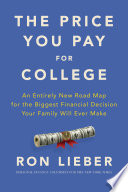
The Price You Pay for College was written by Ron Lieber.
If you enjoyed The Price You Pay for College by Ron Lieber and want to explore similar topics or deepen your understanding, we highly recommend these related book summaries:
These books cover related themes, complementary concepts, and will help you build upon the knowledge gained from The Price You Pay for College. Each of these summaries provides concise insights that can further enhance your understanding and practical application of the ideas presented in The Price You Pay for College.