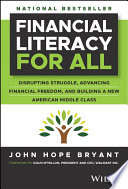
Financial literacy encompasses the knowledge and skills necessary to make informed financial decisions. It includes understanding concepts such as budgeting, saving, investing, credit, and debt management. The book emphasizes that financial literacy is not just about knowing how to handle money; it is about developing a mindset that prioritizes financial well-being. By being financially literate, individuals can navigate the complexities of modern finance, avoid common pitfalls, and make strategic choices that enhance their financial stability and growth. The book also discusses the importance of financial education in schools and communities to empower individuals from a young age.
Continue readingBudgeting is a fundamental aspect of financial management. The book outlines various budgeting techniques, such as the 50/30/20 rule, which helps individuals allocate their income effectively. The importance of tracking expenses and understanding cash flow is highlighted, as this knowledge enables individuals to identify areas where they can cut costs and save more. The book also discusses the psychological benefits of budgeting, such as reducing financial stress and providing a sense of control over one’s finances. By establishing a budget, individuals can set financial goals and work towards achieving them systematically.
Continue readingSaving is critical for financial security, and the book stresses the need for building an emergency fund. An emergency fund serves as a financial safety net during unexpected events, such as job loss or medical emergencies. The recommended target for an emergency fund is three to six months' worth of living expenses. The book provides practical tips on how to start saving, including setting up automatic transfers to savings accounts and prioritizing savings in the budget. Additionally, it discusses the concept of 'paying yourself first' to ensure that saving becomes a priority rather than an afterthought.
Continue readingInvesting is a crucial component of wealth-building, and the book introduces readers to the basics of investing. It explains different types of investments, such as stocks, bonds, mutual funds, and real estate, along with their associated risks and rewards. The importance of starting to invest early is emphasized, as compound interest can significantly grow wealth over time. The book also discusses the significance of diversification in investment portfolios to mitigate risks. By understanding the fundamentals of investing, individuals can make informed decisions that align with their financial goals and risk tolerance.
Continue readingCredit plays a significant role in personal finance, and the book delves into the intricacies of credit scores, credit reports, and how to manage debt effectively. It provides insights into the factors that influence credit scores and the importance of maintaining a good credit history. The book also discusses different types of debt, such as good debt (e.g., student loans) versus bad debt (e.g., high-interest credit card debt). Strategies for paying down debt, such as the snowball and avalanche methods, are outlined, empowering readers to take control of their financial obligations and reduce financial stress.
Continue readingLong-term financial planning is essential for achieving significant life goals, such as retirement, buying a home, or funding education. The book emphasizes the importance of setting clear financial goals and developing a strategic plan to reach them. It discusses retirement accounts, such as 401(k)s and IRAs, and the benefits of employer matching contributions. The book also highlights the significance of regularly reviewing and adjusting financial plans to reflect changing circumstances and goals. By engaging in long-term financial planning, individuals can create a roadmap for their financial future and enhance their overall financial well-being.
Continue readingThe book concludes with a discussion on the role of financial education in society. It argues that financial literacy should be a priority in educational systems, as it equips individuals with essential skills for navigating financial challenges. The book advocates for community programs and resources that promote financial literacy among diverse populations. By fostering a culture of financial education, society can empower individuals to make informed decisions, reduce poverty, and enhance economic stability. The book encourages readers to advocate for financial literacy initiatives in their communities and to share their knowledge with others.
Continue readingThe reading time for Financial Literacy for All depends on the reader's pace. However, this concise book summary covers the 7 key ideas from Financial Literacy for All, allowing you to quickly understand the main concepts, insights, and practical applications in around 23 min.
Financial Literacy for All is definitely worth reading. The book covers essential topics including Understanding Financial Literacy, The Importance of Budgeting, Saving and Emergency Funds, providing practical insights and actionable advice. Whether you read the full book or our concise summary, Financial Literacy for All delivers valuable knowledge that can help you improve your understanding and apply these concepts in your personal or professional life.
Financial Literacy for All was written by John Hope Bryant.
If you enjoyed Financial Literacy for All by John Hope Bryant and want to explore similar topics or deepen your understanding, we highly recommend these related book summaries:
These books cover related themes, complementary concepts, and will help you build upon the knowledge gained from Financial Literacy for All. Each of these summaries provides concise insights that can further enhance your understanding and practical application of the ideas presented in Financial Literacy for All.