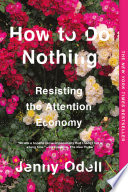
The book opens by exploring the concept of the attention economy, where our focus is a commodity that is constantly being harvested by various platforms and corporations. In this environment, our attention is fragmented and exploited for profit, leading to a sense of disconnection and anxiety. The author, Jenny Odell, argues that we must recognize how our attention is being manipulated and learn to reclaim it. This involves understanding the mechanisms of social media, advertising, and the pressure to be constantly productive. By becoming aware of these influences, we can begin to resist them and find value in moments of stillness and contemplation. This idea serves as a foundation for the rest of the book, emphasizing the importance of being intentional about where we direct our attention.
Continue readingOdell emphasizes the significance of place in our lives, arguing that our relationship with our surroundings can ground us and provide a sense of belonging. By reconnecting with our local environment and community, we can cultivate a deeper understanding of our context and the people around us. This idea challenges the notion that we must always be looking outward for opportunities and success. Instead, Odell encourages readers to appreciate the beauty and complexity of their immediate surroundings. This connection to place can lead to a more meaningful existence, as we become more aware of the interdependence of our lives and the ecosystems we inhabit.
Continue readingThe book advocates for the importance of leisure and the need to reclaim it from the clutches of productivity culture. Odell argues that leisure is not merely the absence of work but a vital component of a fulfilling life. By engaging in leisure activities, we can foster creativity, critical thinking, and a sense of community. Odell encourages readers to rethink their relationship with time, suggesting that we often equate busyness with value. By prioritizing leisure, we can resist the pressure to be constantly productive and instead focus on activities that bring joy and fulfillment. This shift can lead to a more balanced and enriched life.
Continue readingOdell discusses the importance of mindfulness and being present in the moment as a counterbalance to the distractions of the digital age. Mindfulness practices help cultivate awareness and appreciation for the here and now, allowing individuals to step back from the relentless demands of modern life. By practicing mindfulness, we can develop a greater sense of agency over our attention and learn to appreciate the small moments that often go unnoticed. This idea ties back to the overall theme of resisting the attention economy, as mindfulness encourages us to focus on what truly matters rather than getting lost in the noise of constant notifications and distractions.
Continue readingA significant theme in the book is the role of community engagement in fostering a sense of purpose and belonging. Odell argues that by investing time and energy into our local communities, we can create meaningful connections and contribute to collective well-being. This engagement allows us to step outside the isolating effects of the digital world and form authentic relationships with those around us. Odell suggests that community involvement can serve as a powerful antidote to the loneliness and disconnection often exacerbated by technology. By participating in local initiatives, we can reclaim our attention and invest it in something larger than ourselves.
Continue readingOdell challenges the negative perception of boredom, suggesting that it can be a catalyst for creativity and self-discovery. In a world that often equates busyness with worth, boredom can serve as an opportunity for reflection and exploration. By allowing ourselves to experience boredom, we can tap into our inner thoughts and feelings, leading to a deeper understanding of ourselves and our desires. This idea encourages readers to embrace moments of stillness and solitude, recognizing that they can lead to personal growth and insight. In a society that constantly pushes for engagement and stimulation, Odell’s perspective on boredom offers a refreshing alternative.
Continue readingThe final idea revolves around the need to resist the urge to perform and present a curated version of ourselves, particularly on social media. Odell argues that the pressure to constantly showcase our lives can lead to inauthenticity and disconnection from our true selves. By stepping back from the performative aspects of modern life, we can cultivate a more genuine existence and prioritize our well-being over external validation. This resistance is integral to reclaiming our attention and focusing on what truly matters in our lives. The idea encourages readers to find value in authenticity and to prioritize personal fulfillment over societal expectations.
Continue readingThe reading time for How to Do Nothing depends on the reader's pace. However, this concise book summary covers the 7 key ideas from How to Do Nothing, allowing you to quickly understand the main concepts, insights, and practical applications in around 21 min.
How to Do Nothing is definitely worth reading. The book covers essential topics including The Attention Economy, The Importance of Place, Reclaiming Leisure, providing practical insights and actionable advice. Whether you read the full book or our concise summary, How to Do Nothing delivers valuable knowledge that can help you improve your understanding and apply these concepts in your personal or professional life.
How to Do Nothing was written by Jenny Odell.
If you enjoyed How to Do Nothing by Jenny Odell and want to explore similar topics or deepen your understanding, we highly recommend these related book summaries:
These books cover related themes, complementary concepts, and will help you build upon the knowledge gained from How to Do Nothing. Each of these summaries provides concise insights that can further enhance your understanding and practical application of the ideas presented in How to Do Nothing.