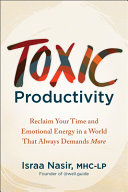
The book begins by addressing the societal belief that being constantly productive is the ultimate goal. It argues that this myth leads to burnout, anxiety, and a sense of inadequacy. The author presents research showing that our brains are not designed for continuous work without breaks. Instead, productivity should be viewed as a balance between effort and rest. The idea is that by allowing ourselves downtime, we can recharge and ultimately enhance our productivity. The author encourages readers to redefine what productivity means to them personally, promoting a more sustainable approach to work that includes self-care and leisure.
Continue readingIn the age of technology, the book discusses how tools designed to enhance productivity can sometimes have the opposite effect. Notifications, multitasking, and the pressure to be always connected can lead to decreased focus and effectiveness. The author emphasizes the importance of setting boundaries with technology, such as designating specific times to check emails or social media. By doing so, individuals can reclaim their time and attention, leading to a more intentional and mindful approach to work.
Continue readingToxic productivity is often reinforced by cultural and workplace norms that glorify overwork. The book highlights how many companies prioritize results over employee well-being, creating environments where employees feel pressured to work long hours and forgo personal time. The author calls for a reevaluation of these norms and advocates for workplaces that prioritize mental health and work-life balance. This shift, the book argues, not only benefits employees but can also lead to increased creativity and productivity for organizations.
Continue readingMindfulness is presented as a counterbalance to toxic productivity. The author discusses techniques such as meditation, deep breathing, and self-reflection that can help individuals become more aware of their thoughts and feelings. By practicing mindfulness, individuals can better manage stress and anxiety, leading to improved focus and clarity in their work. The book provides practical exercises for readers to incorporate mindfulness into their daily routines, promoting a healthier relationship with work.
Continue readingOne of the key themes in the book is the importance of setting boundaries to protect personal time. The author discusses how saying 'no' can be a powerful tool in maintaining a healthy work-life balance. This includes not only setting limits on work hours but also being mindful of personal commitments and social obligations. The book offers strategies for communicating boundaries effectively, ensuring that individuals can prioritize their well-being without feeling guilty or selfish.
Continue readingThe author challenges traditional definitions of success that are often tied to productivity and achievement. Instead, the book advocates for a broader understanding of success that includes personal fulfillment, happiness, and well-being. This shift in perspective encourages readers to pursue goals that align with their values and passions rather than societal expectations. By redefining success, individuals can cultivate a more meaningful and satisfying life, reducing the pressure to constantly perform.
Continue readingThe final idea presented in the book is the importance of embracing imperfection. The author argues that the pursuit of perfection often leads to stress and dissatisfaction. Instead of striving for an unattainable ideal, individuals are encouraged to accept their limitations and recognize that mistakes are a natural part of the learning process. This mindset shift can lead to greater resilience and a more positive outlook on challenges, ultimately fostering a healthier relationship with work and productivity.
Continue readingThe reading time for Toxic Productivity depends on the reader's pace. However, this concise book summary covers the 7 key ideas from Toxic Productivity, allowing you to quickly understand the main concepts, insights, and practical applications in around 20 min.
Toxic Productivity is definitely worth reading. The book covers essential topics including The Myth of Constant Productivity, The Impact of Technology on Productivity, Cultural Pressures and Workplace Norms, providing practical insights and actionable advice. Whether you read the full book or our concise summary, Toxic Productivity delivers valuable knowledge that can help you improve your understanding and apply these concepts in your personal or professional life.
Toxic Productivity was written by Israa Nasir.
If you enjoyed Toxic Productivity by Israa Nasir and want to explore similar topics or deepen your understanding, we highly recommend these related book summaries:
These books cover related themes, complementary concepts, and will help you build upon the knowledge gained from Toxic Productivity. Each of these summaries provides concise insights that can further enhance your understanding and practical application of the ideas presented in Toxic Productivity.