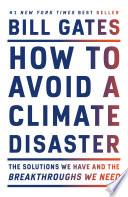
Bill Gates emphasizes that climate change is not just an environmental issue but a pressing challenge that threatens the stability of our planet. He outlines the timeline we have to act, stressing that we must reduce greenhouse gas emissions to net-zero by 2050 to avoid catastrophic consequences. Gates argues that every country, corporation, and individual must contribute to this goal. The urgency is underscored by the fact that climate change is already affecting weather patterns, sea levels, and ecosystems. By presenting data and projections, Gates illustrates the dire need for immediate action and the risks of inaction, making it clear that the time to act is now.
Continue readingGates provides a comprehensive breakdown of the sources of greenhouse gas emissions, categorizing them into sectors such as electricity, transportation, agriculture, industry, and buildings. By understanding where emissions originate, we can identify the most effective strategies for reduction. For instance, the electricity sector is responsible for a significant portion of emissions, and transitioning to renewable energy sources like solar and wind is essential. Gates emphasizes the importance of innovation in clean energy technologies and highlights the role of government policies and investments in fostering this transition. This understanding is crucial for developing targeted solutions.
Continue readingInnovation is at the heart of Gates' strategy for combating climate change. He argues that we need to invent and deploy new technologies that can significantly reduce emissions in various sectors. This includes advancements in energy storage, carbon capture and storage, and sustainable agriculture practices. Gates stresses that while existing technologies are important, breakthrough innovations are necessary to achieve the scale of change required. He calls for increased investment in research and development, as well as collaboration between governments, businesses, and researchers to accelerate the pace of innovation and bring new solutions to market.
Continue readingGates highlights the critical role that government policy plays in addressing climate change. He advocates for policies that promote clean energy, incentivize emissions reductions, and support research and development. This includes carbon pricing mechanisms, subsidies for renewable energy, and regulations that limit emissions from industries. Gates argues that without strong policy frameworks, achieving net-zero emissions will be challenging. He emphasizes the need for global cooperation and alignment in climate policies to ensure that all countries are working towards the same goals, as climate change is a global issue that transcends borders.
Continue readingAddressing climate change requires a collective effort from all nations. Gates discusses the importance of international cooperation in sharing technologies, resources, and knowledge to combat climate change effectively. He highlights the role of international agreements like the Paris Agreement and the necessity for countries to commit to ambitious climate goals. Gates also points out that developed nations have a responsibility to support developing countries in their transition to sustainable practices, as these nations are often the most vulnerable to the impacts of climate change. Global collaboration is essential for driving meaningful change and achieving the necessary reductions in emissions.
Continue readingWhile systemic change is crucial, Gates also emphasizes the role of individuals in combating climate change. He encourages readers to be informed consumers, make sustainable choices, and advocate for policies that address climate issues. Gates provides practical steps that individuals can take to reduce their carbon footprint, such as reducing meat consumption, using energy-efficient appliances, and supporting clean energy initiatives. He believes that collective individual actions can lead to significant change when multiplied across millions of people. This idea empowers readers to take personal responsibility and contribute to the larger fight against climate change.
Continue readingGates underscores the importance of investing in clean technologies as a means to address climate change. He discusses the need for both public and private sector investment in research and development of new technologies that can reduce emissions. Gates argues that the transition to a sustainable economy will create new economic opportunities and jobs, making it a win-win situation. He encourages investors to consider the long-term benefits of supporting clean technology companies and projects. By directing financial resources towards sustainable solutions, we can accelerate the transition to a low-carbon economy and drive innovation.
Continue readingThe reading time for How to Avoid a Climate Disaster depends on the reader's pace. However, this concise book summary covers the 7 key ideas from How to Avoid a Climate Disaster, allowing you to quickly understand the main concepts, insights, and practical applications in around 24 min.
How to Avoid a Climate Disaster is definitely worth reading. The book covers essential topics including The Urgency of Climate Action, Understanding Emissions, The Role of Innovation, providing practical insights and actionable advice. Whether you read the full book or our concise summary, How to Avoid a Climate Disaster delivers valuable knowledge that can help you improve your understanding and apply these concepts in your personal or professional life.
How to Avoid a Climate Disaster was written by Bill Gates.
If you enjoyed How to Avoid a Climate Disaster by Bill Gates and want to explore similar topics or deepen your understanding, we highly recommend these related book summaries:
These books cover related themes, complementary concepts, and will help you build upon the knowledge gained from How to Avoid a Climate Disaster. Each of these summaries provides concise insights that can further enhance your understanding and practical application of the ideas presented in How to Avoid a Climate Disaster.