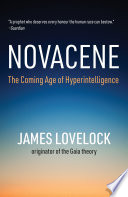
In 'Novacene', James Lovelock introduces the concept of a new geological epoch that he calls the Novacene. This epoch is characterized by the significant influence of artificial intelligence and technology on the planet. Lovelock argues that, as humanity faces the consequences of climate change and ecological degradation, the rise of AI could play a crucial role in managing and possibly reversing these threats. He posits that this new epoch is not merely a continuation of the Anthropocene but a distinct phase where intelligent systems begin to take over decision-making processes that have traditionally been human domains. This shift suggests a future where AI could become the stewards of the Earth, optimizing environmental conditions and promoting sustainability. Lovelock's perspective challenges readers to reconsider the relationship between humanity and technology, emphasizing that the future may not solely depend on human actions but also on the capabilities of intelligent systems.
Continue readingLovelock emphasizes the transformative potential of artificial intelligence in addressing global challenges. He argues that AI can analyze vast amounts of data and simulate complex systems far beyond human capabilities. This ability positions AI as a critical player in climate science, resource management, and ecological restoration. Lovelock suggests that AI could help predict environmental changes, optimize energy consumption, and even develop innovative solutions to mitigate climate impacts. However, he also warns of the risks associated with AI, including ethical considerations and the need for responsible governance. The balance between harnessing AI's power and ensuring it serves humanity's best interests is a central theme in Lovelock's exploration of the Novacene.
Continue readingA significant theme in 'Novacene' is the responsibility that humanity holds in shaping the future. Lovelock argues that while AI may become a dominant force in the new epoch, it is still humanity's duty to guide its development and application. This responsibility includes ensuring that technological advancements align with ecological sustainability and social equity. Lovelock calls for a proactive approach to environmental stewardship, urging individuals and societies to take action against climate change and biodiversity loss. He emphasizes that the choices made today will have lasting impacts on future generations and the planet's health. This idea serves as a call to action for readers to engage with environmental issues and advocate for policies that prioritize ecological well-being.
Continue readingLovelock's Gaia theory, which posits that the Earth functions as a self-regulating system, underpins much of his argument in 'Novacene'. He highlights the interconnectedness of all life forms and the importance of recognizing these relationships in the context of environmental challenges. The concept of Gaia suggests that the health of the planet is intrinsically linked to the well-being of its inhabitants, including humans. Lovelock argues that understanding this interconnectedness is crucial for developing effective solutions to ecological crises. He advocates for a holistic approach to environmental management that considers the complex interdependencies within ecosystems. This perspective encourages readers to think beyond isolated actions and consider the broader implications of their choices on the planet's health.
Continue readingThroughout 'Novacene', Lovelock navigates the tension between technological optimism and pessimism. While he acknowledges the potential dangers of unchecked technological advancement, he ultimately leans towards a hopeful outlook. Lovelock believes that the capabilities of AI and other technologies can be harnessed for positive change if guided by ethical considerations and a commitment to sustainability. This optimism is rooted in the belief that humanity has the capacity to innovate and adapt in response to challenges. By focusing on the potential for technology to contribute to ecological restoration and improved quality of life, Lovelock encourages readers to embrace a proactive stance towards technological development.
Continue readingLovelock speculates on the future relationship between humanity and AI in the Novacene. He envisions a scenario where AI not only assists but also collaborates with humans in addressing global challenges. This partnership could lead to unprecedented advancements in science, technology, and environmental management. However, Lovelock also raises questions about the implications of such a relationship, including the need for ethical frameworks and governance structures to ensure that AI serves the common good. The future of humanity, according to Lovelock, will depend on how well society navigates the complexities of this relationship and ensures that technological advancements align with human values and ecological integrity.
Continue readingIn 'Novacene', Lovelock emphasizes the need for a global perspective in addressing environmental issues. He argues that climate change and ecological degradation are not confined to specific regions but are global challenges that require international cooperation and collaboration. Lovelock calls for a collective effort to share knowledge, resources, and technologies to tackle these issues effectively. He advocates for policies that transcend national borders and prioritize the health of the planet as a whole. This idea resonates with the urgency of the climate crisis and the necessity for a unified response to ensure a sustainable future for all.
Continue readingThe reading time for Novacene depends on the reader's pace. However, this concise book summary covers the 7 key ideas from Novacene, allowing you to quickly understand the main concepts, insights, and practical applications in around 23 min.
Novacene is definitely worth reading. The book covers essential topics including The Emergence of a New Epoch, The Role of Artificial Intelligence, Humanity's Responsibility, providing practical insights and actionable advice. Whether you read the full book or our concise summary, Novacene delivers valuable knowledge that can help you improve your understanding and apply these concepts in your personal or professional life.
Novacene was written by James Lovelock.
If you enjoyed Novacene by James Lovelock and want to explore similar topics or deepen your understanding, we highly recommend these related book summaries:
These books cover related themes, complementary concepts, and will help you build upon the knowledge gained from Novacene. Each of these summaries provides concise insights that can further enhance your understanding and practical application of the ideas presented in Novacene.