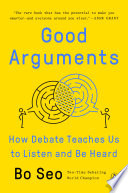
Constructive disagreement is crucial for personal and societal growth. The book emphasizes that disagreements should not be seen as conflicts but as opportunities for learning and understanding different perspectives. By engaging in constructive arguments, individuals can refine their thoughts, challenge their biases, and arrive at more nuanced conclusions. The author discusses techniques for fostering a respectful environment where differing opinions can be expressed freely, leading to deeper insights and collaborative problem-solving.
Continue readingThe book presents specific frameworks and strategies for structuring arguments effectively. It provides readers with tools to articulate their points clearly and persuasively while also considering opposing views. The author stresses the importance of logic, evidence, and emotional appeal in crafting arguments. By following these frameworks, individuals can enhance their communication skills, making their arguments more compelling and easier for others to understand.
Continue readingEmpathy is highlighted as a vital component of effective argumentation. The book encourages readers to practice active listening and to genuinely consider the feelings and perspectives of others during discussions. By fostering empathy, individuals can create a more inclusive dialogue where all parties feel valued and understood. This approach not only improves the quality of the argument but also strengthens relationships and promotes a culture of respect.
Continue readingUnderstanding cognitive biases is essential for engaging in good arguments. The author explores various cognitive biases that can distort reasoning and judgment, such as confirmation bias and the Dunning-Kruger effect. By recognizing these biases in ourselves and others, we can approach arguments with a more critical and open mindset. This awareness allows for better self-reflection and encourages individuals to seek out diverse viewpoints to challenge their own beliefs.
Continue readingThe rise of digital communication has transformed how arguments are conducted. The book examines the challenges and opportunities presented by online platforms, including social media. The author discusses how anonymity and the rapid pace of online interactions can lead to misunderstandings and escalation of conflicts. However, digital spaces also provide unique opportunities for reaching broader audiences and engaging with diverse perspectives. The key is to adapt traditional argumentation techniques to the digital context.
Continue readingThe book advocates for creating a culture that values healthy argumentation. This involves encouraging open dialogue in various settings, such as workplaces, schools, and communities. By promoting a culture where disagreements are welcomed and addressed constructively, organizations can foster innovation and collaboration. The author provides practical suggestions for leaders and educators on how to cultivate this environment, emphasizing the long-term benefits of nurturing critical thinking skills.
Continue readingEthics play a crucial role in argumentation. The book discusses the importance of honesty, integrity, and respect in presenting arguments. The author argues that ethical considerations should guide how we engage in disagreements, ensuring that we do not resort to manipulation or deceit. By prioritizing ethical argumentation, individuals can build trust and credibility, which are essential for meaningful dialogue and effective persuasion.
Continue readingThe reading time for Good Arguments depends on the reader's pace. However, this concise book summary covers the 7 key ideas from Good Arguments, allowing you to quickly understand the main concepts, insights, and practical applications in around 23 min.
Good Arguments is definitely worth reading. The book covers essential topics including The Importance of Constructive Disagreement, Frameworks for Effective Argumentation, The Role of Empathy in Argumentation, providing practical insights and actionable advice. Whether you read the full book or our concise summary, Good Arguments delivers valuable knowledge that can help you improve your understanding and apply these concepts in your personal or professional life.
Good Arguments was written by Bo Seo.
If you enjoyed Good Arguments by Bo Seo and want to explore similar topics or deepen your understanding, we highly recommend these related book summaries:
These books cover related themes, complementary concepts, and will help you build upon the knowledge gained from Good Arguments. Each of these summaries provides concise insights that can further enhance your understanding and practical application of the ideas presented in Good Arguments.