The book emphasizes that negotiation is not merely about reaching an agreement but involves a complex process of communication and interaction. It begins with preparation, where one must gather information about the other party, understand their needs, and clarify their own objectives. The author highlights the importance of setting clear goals and knowing one's bottom line. This foundational knowledge allows negotiators to approach discussions with confidence and clarity. Furthermore, the book discusses the stages of negotiation, including opening, exploring options, and closing the deal, stressing the need for adaptability and responsiveness throughout these phases.
Continue readingEmotions play a crucial role in negotiations, often influencing decision-making and outcomes. The book delves into how emotions can both hinder and facilitate negotiations. It discusses the significance of emotional intelligence, which involves recognizing one’s own emotions and those of others. By managing emotions effectively, negotiators can maintain composure during tense discussions and foster a positive atmosphere. The author provides strategies for emotional regulation, such as taking breaks, practicing active listening, and using empathy to connect with the other party. This understanding of emotional dynamics can lead to more productive negotiations.
Continue readingEstablishing rapport and trust is vital for successful negotiations. The book outlines techniques for building relationships, such as finding common ground, demonstrating respect, and practicing active listening. When parties feel connected, they are more likely to collaborate and seek mutually beneficial solutions. The author emphasizes that trust can be built through consistency and transparency. By being honest about intentions and expectations, negotiators can create a safe environment for open dialogue. The book also discusses how to repair trust when it is broken, highlighting the importance of acknowledging mistakes and making amends.
Continue readingPreparation is highlighted as one of the most critical aspects of negotiation. The author argues that thorough preparation can significantly enhance one’s chances of success. This involves not only understanding one’s own goals but also researching the other party’s interests, constraints, and potential objections. The book provides practical tips for effective preparation, such as role-playing scenarios, developing a negotiation strategy, and anticipating counterarguments. By being well-prepared, negotiators can approach discussions with confidence and make informed decisions, ultimately leading to better outcomes.
Continue readingNegotiation often requires creative problem-solving to find solutions that satisfy both parties. The book encourages negotiators to think outside the box and explore various options before settling on a final agreement. The author presents techniques for brainstorming and generating ideas collaboratively. By fostering a mindset of creativity, negotiators can uncover innovative solutions that may not have been initially apparent. The book also discusses the importance of flexibility and willingness to adjust one’s position in response to new information or ideas, which can lead to a more satisfactory resolution for all involved.
Continue readingThe closing stage of negotiation is crucial, as it determines whether an agreement is reached. The book outlines strategies for effectively closing deals, such as summarizing key points, addressing any remaining concerns, and clearly articulating the terms of the agreement. The author emphasizes the importance of ensuring that both parties feel satisfied with the outcome, as this can lead to stronger relationships and future collaboration. Additionally, the book discusses the role of follow-up after a negotiation, highlighting the need to reinforce commitments and maintain communication to ensure successful implementation of the agreement.
Continue readingEthics and integrity are paramount in negotiation, as they influence long-term relationships and reputations. The book discusses the importance of maintaining ethical standards and being transparent during negotiations. The author warns against manipulative tactics that may yield short-term gains but can damage trust and credibility in the long run. By adhering to ethical principles, negotiators can foster a culture of respect and cooperation, leading to more sustainable agreements. The book encourages readers to reflect on their values and consider the ethical implications of their negotiation strategies.
Continue readingThe reading time for The Art of Negotiation depends on the reader's pace. However, this concise book summary covers the 7 key ideas from The Art of Negotiation, allowing you to quickly understand the main concepts, insights, and practical applications in around 24 min.
The Art of Negotiation is definitely worth reading. The book covers essential topics including Understanding the Negotiation Process, The Role of Emotions in Negotiation, Building Rapport and Trust, providing practical insights and actionable advice. Whether you read the full book or our concise summary, The Art of Negotiation delivers valuable knowledge that can help you improve your understanding and apply these concepts in your personal or professional life.
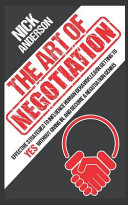
The Art of Negotiation was written by Nick Anderson.
If you enjoyed The Art of Negotiation by Nick Anderson and want to explore similar topics or deepen your understanding, we highly recommend these related book summaries:
These books cover related themes, complementary concepts, and will help you build upon the knowledge gained from The Art of Negotiation. Each of these summaries provides concise insights that can further enhance your understanding and practical application of the ideas presented in The Art of Negotiation.