Nonverbal communication encompasses a wide range of behaviors, including facial expressions, body language, gestures, and posture. This idea emphasizes that much of our communication occurs without words. The author illustrates how nonverbal cues can convey emotions and intentions more effectively than spoken language. For instance, a smile can express warmth and friendliness, while crossed arms might signal defensiveness or discomfort. Understanding these signals can enhance interpersonal interactions, allowing individuals to connect on a deeper level. The book provides insights into how to interpret these cues accurately, making it essential for anyone looking to improve their communication skills. By mastering nonverbal communication, individuals can become more empathetic and responsive in their interactions, fostering better relationships both personally and professionally.
Continue readingNonverbal communication varies significantly across cultures, and this idea highlights the importance of cultural awareness in understanding body language. The author discusses how gestures that are acceptable in one culture may be offensive in another. For example, maintaining eye contact is seen as a sign of confidence in Western cultures, while in some Asian cultures, it may be perceived as disrespectful. By exploring these differences, readers can learn to navigate cross-cultural interactions more effectively, reducing misunderstandings and enhancing collaboration in diverse environments. The book encourages readers to be observant and adaptable, fostering an appreciation for the richness of global communication styles.
Continue readingEmotional intelligence (EQ) is closely linked to the ability to read and respond to nonverbal cues. This idea posits that individuals with high EQ can better interpret the emotions of others through body language and facial expressions. The author argues that developing this skill is crucial for effective leadership and teamwork. By being attuned to the feelings of others, leaders can create a more supportive work environment, leading to increased morale and productivity. The book provides practical tips for enhancing emotional intelligence, such as active listening and practicing empathy, which can significantly improve personal and professional relationships.
Continue readingNonverbal communication plays a vital role in conflict resolution. This idea emphasizes that how we present ourselves nonverbally can either escalate or de-escalate a conflict. The author discusses strategies for using body language to convey openness and willingness to resolve issues. For example, maintaining a relaxed posture and using open hand gestures can signal a readiness to listen and collaborate. Conversely, aggressive postures or avoiding eye contact may exacerbate tensions. The book outlines techniques for managing nonverbal cues during conflicts, which can lead to more constructive conversations and successful resolutions.
Continue readingEstablishing rapport is essential in both personal and professional relationships, and this idea focuses on how nonverbal communication can facilitate this process. The author explains that mirroring body language, maintaining appropriate eye contact, and using facial expressions can create a sense of connection and trust. By being aware of and intentionally using these nonverbal signals, individuals can foster stronger relationships with colleagues, clients, and friends. The book provides examples of how successful leaders and negotiators use these techniques to build rapport and achieve their goals.
Continue readingIn an increasingly digital world, the dynamics of nonverbal communication are evolving. This idea explores how technology, such as video conferencing and messaging apps, alters our ability to read nonverbal cues. The author discusses the challenges of interpreting body language in virtual settings and offers strategies for adapting to these changes. For instance, using clear and expressive facial expressions during video calls can help convey emotions more effectively. The book emphasizes the importance of being mindful of nonverbal communication in digital interactions to maintain meaningful connections and effective communication.
Continue readingThe final idea focuses on the practical applications of nonverbal communication in various contexts, such as interviews, presentations, and networking events. The author provides actionable tips for leveraging nonverbal cues to enhance communication effectiveness. For example, maintaining an open posture during an interview can create a positive impression, while using appropriate gestures during a presentation can reinforce key points. The book encourages readers to practice these techniques in real-life situations, helping them to become more confident and effective communicators.
Continue readingThe reading time for Without Saying a Word depends on the reader's pace. However, this concise book summary covers the 7 key ideas from Without Saying a Word, allowing you to quickly understand the main concepts, insights, and practical applications in around 23 min.
Without Saying a Word is definitely worth reading. The book covers essential topics including The Power of Nonverbal Communication, Cultural Differences in Nonverbal Communication, Emotional Intelligence and Nonverbal Cues, providing practical insights and actionable advice. Whether you read the full book or our concise summary, Without Saying a Word delivers valuable knowledge that can help you improve your understanding and apply these concepts in your personal or professional life.
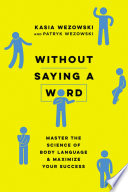
Without Saying a Word was written by Kasia Wezowski, Patryk Wezowski.
If you enjoyed Without Saying a Word by Kasia Wezowski, Patryk Wezowski and want to explore similar topics or deepen your understanding, we highly recommend these related book summaries:
These books cover related themes, complementary concepts, and will help you build upon the knowledge gained from Without Saying a Word. Each of these summaries provides concise insights that can further enhance your understanding and practical application of the ideas presented in Without Saying a Word.