Effective communication is the cornerstone of any successful relationship, whether personal or professional. The book emphasizes that open dialogue fosters trust, understanding, and collaboration. It discusses various methods to enhance communication skills, such as active listening, empathy, and clarity in expression. The author argues that many conflicts arise from miscommunication and that addressing issues openly can prevent misunderstandings. By prioritizing communication, individuals can create a more harmonious environment that encourages feedback and constructive criticism.
Continue readingDifficult conversations are inevitable in both personal and professional settings. This book provides strategies for approaching these conversations with confidence and composure. It highlights the importance of preparation, setting the right tone, and being mindful of the other person's feelings. The author shares techniques for de-escalating tension and finding common ground, which can lead to more productive discussions. By learning to navigate these tough talks, readers can improve their conflict resolution skills and strengthen their relationships.
Continue readingTrust is a vital component of any relationship, and the book delves into how to build and maintain it. The author explains that trust is built through consistency, reliability, and transparency. Readers are encouraged to be authentic and honest in their interactions, as this fosters an environment where individuals feel safe to express themselves. The text also discusses how to rebuild trust after it has been broken, emphasizing the importance of accountability and sincere efforts to mend relationships.
Continue readingEmotional intelligence (EI) plays a significant role in effective communication and relationship management. The book explores the five components of EI: self-awareness, self-regulation, motivation, empathy, and social skills. The author argues that individuals with high EI are better equipped to handle interpersonal dynamics, understand others' perspectives, and respond appropriately to emotional cues. By developing EI, readers can enhance their communication skills and foster deeper connections with others.
Continue readingIn an increasingly globalized world, cultural sensitivity is crucial for effective communication. The book discusses how cultural differences can impact communication styles, values, and expectations. The author encourages readers to be aware of their own cultural biases and to approach conversations with an open mind. By understanding and respecting cultural differences, individuals can improve their interactions with diverse groups, leading to more inclusive and productive discussions.
Continue readingFeedback is an essential element of communication that can drive personal and professional growth. The book emphasizes the importance of giving and receiving feedback constructively. The author provides guidelines for delivering feedback that is specific, actionable, and supportive, as well as tips for receiving feedback with an open mind. By embracing feedback as a learning opportunity, individuals can foster a culture of continuous improvement and encourage others to do the same.
Continue readingTechnology has transformed the way we communicate, offering both opportunities and challenges. The book examines how digital communication tools can enhance connectivity but also lead to misunderstandings and a lack of personal touch. The author discusses the importance of choosing the right medium for communication, whether face-to-face, phone, or digital platforms. By being mindful of how technology influences communication, readers can leverage it effectively while maintaining meaningful connections.
Continue readingThe reading time for We Need to Talk depends on the reader's pace. However, this concise book summary covers the 7 key ideas from We Need to Talk, allowing you to quickly understand the main concepts, insights, and practical applications in around 23 min.
We Need to Talk is definitely worth reading. The book covers essential topics including The Importance of Communication, Navigating Difficult Conversations, Building Trust and Rapport, providing practical insights and actionable advice. Whether you read the full book or our concise summary, We Need to Talk delivers valuable knowledge that can help you improve your understanding and apply these concepts in your personal or professional life.
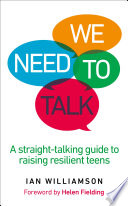
We Need to Talk was written by Ian Williamson.
If you enjoyed We Need to Talk by Ian Williamson and want to explore similar topics or deepen your understanding, we highly recommend these related book summaries:
These books cover related themes, complementary concepts, and will help you build upon the knowledge gained from We Need to Talk. Each of these summaries provides concise insights that can further enhance your understanding and practical application of the ideas presented in We Need to Talk.