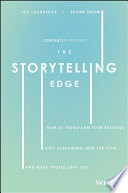
Book cover The Storytelling Edge
Select an audio
0:00
Intro - The Storytelling Edge --:--
1. The Power of Storytelling --:--
2. Creating a Compelling Narrative --:--
3. Emotional Engagement --:--
4. Authenticity and Transparency --:--
5. Utilizing Different Media --:--
6. Measuring Impact --:--
7. Storytelling as a Leadership Tool --:--

The Storytelling Edge

Contently, Inc., Joe Lazauskas, Shane Snow

How to Transform Your Business, Stop Screaming into the Void, and Make People Love You

22 min

Summary

The Storytelling Edge is an insightful exploration of the art and science of storytelling in the context of business and marketing. The authors, Shane Snow and Joe Pulizzi, argue that storytelling is not just a creative endeavor but a strategic necessity for brands looking to engage with their audiences. They highlight that stories have been an integral part of human communication for centuries, serving as a means to share experiences, convey values, and build connections. In the modern business landscape, where consumers are bombarded with information, the ability to tell a compelling story can set a brand apart from its competitors.

The book begins by establishing the foundational power of storytelling, explaining how it can simplify complex ideas and make them relatable. It emphasizes the importance of creating a compelling narrative that includes relatable characters, clear conflicts, and resolutions that offer insights. The authors provide a framework for crafting effective narratives, encouraging brands to think strategically about how they present their stories.

One of the central themes of the book is emotional engagement. The authors explain that stories that evoke emotions are more likely to be remembered and shared. They encourage brands to identify the emotions they wish to evoke and to tailor their narratives accordingly. This emotional connection is crucial for fostering loyalty and advocacy among consumers.

Authenticity and transparency are also key themes in the book. In a world where consumers are increasingly skeptical of marketing tactics, the authors stress the importance of being genuine in storytelling. Brands that share authentic stories about their journeys tend to resonate more with their audience, building trust and long-term relationships.

The book also addresses the need for brands to adapt their storytelling techniques across different media platforms. In the digital age, consumers engage with content through various channels, and the authors highlight the importance of understanding the strengths and limitations of each medium. By optimizing storytelling efforts for different platforms, brands can enhance their reach and impact.

Measuring the impact of storytelling is another critical aspect discussed in the book. The authors emphasize the importance of tracking engagement metrics to assess how well a story resonates with the audience. By analyzing data, brands can refine their narratives and strategies, ensuring continued connection with their audience.

Finally, the book explores the role of storytelling as a leadership tool. Effective leaders use storytelling to inspire and motivate their teams, creating a shared sense of purpose and direction. By embracing storytelling, leaders can foster a positive organizational culture and build stronger relationships with their employees.

In conclusion, 'The Storytelling Edge' serves as a comprehensive guide for brands looking to harness the power of storytelling to engage their audiences. By understanding the principles of effective storytelling and applying them strategically, businesses can differentiate themselves in a crowded marketplace and build lasting connections with their customers.

The Power of Storytelling

Storytelling is a fundamental part of human communication and understanding. It transcends cultures and time, allowing individuals to connect on emotional and intellectual levels. In 'The Storytelling Edge', the authors emphasize the importance of storytelling in business and marketing. They argue that stories help to simplify complex ideas, making them more relatable and memorable. This idea underscores that effective storytelling can create a strong bond between the brand and its audience, fostering loyalty and engagement. By tapping into the emotional responses that stories evoke, businesses can convey their values, mission, and vision in a way that resonates deeply with consumers.

Continue reading
Storytelling serves as a cornerstone of human interaction, deeply embedded in our cultural fabric and historical narratives. It is not merely a method of communication but a powerful mechanism through which we share experiences, convey emotions, and impart knowledge. The essence of storytelling lies in its ability to transcend barriers, allowing people from diverse backgrounds to find common ground. This universality makes storytelling an invaluable tool in both personal and professional contexts.

In the realm of business and marketing, storytelling takes on a pivotal role. The authors highlight that effective storytelling can transform complex concepts into digestible narratives that resonate with audiences. When brands craft stories, they simplify intricate ideas, making them accessible and relatable. This simplification is crucial in a world inundated with information, where consumers often feel overwhelmed. By embedding messages within a narrative, businesses can engage their audience's attention and facilitate understanding.

Moreover, storytelling taps into the emotional core of human experience. Emotions play a critical role in decision-making processes, and stories have the unique ability to evoke feelings that can influence consumer behavior. When a brand tells a story that resonates emotionally, it fosters a deeper connection with its audience. This emotional engagement goes beyond mere transactions; it builds relationships. Consumers are more likely to remember a brand that has shared a compelling story, and this memorability can translate into loyalty and advocacy.

The authors also emphasize the significance of authenticity in storytelling. In an age where consumers are increasingly discerning and skeptical of marketing tactics, genuine stories that reflect a brand's true values and mission stand out. Authentic storytelling not only enhances credibility but also cultivates trust. When brands share their journey, challenges, and triumphs, they humanize themselves, making it easier for consumers to relate to them on a personal level.

Furthermore, storytelling can be a strategic tool for differentiating a brand in a crowded marketplace. In industries where products and services may seem similar, a compelling narrative can set a brand apart. By articulating a unique story, businesses can carve out a distinct identity that resonates with their target audience. This differentiation is crucial for standing out in competitive environments and can lead to increased brand recognition and loyalty.

In summary, the power of storytelling lies in its ability to connect, engage, and inspire. It simplifies complexity, evokes emotions, fosters authenticity, and differentiates brands. By harnessing the art of storytelling, businesses can create meaningful connections with their audiences, ultimately driving engagement, loyalty, and success. The emphasis on storytelling as a strategic asset underscores its importance in the modern business landscape, where emotional resonance and relatability are key to capturing and retaining consumer attention.

Creating a Compelling Narrative

A compelling narrative is crucial for capturing and maintaining audience interest. The book outlines the elements of a good story: a relatable protagonist, a clear conflict, and a resolution that offers insight or inspiration. By structuring messages as narratives, brands can not only inform but also entertain their audiences. This approach encourages audiences to see themselves within the story, making the message more impactful. The authors provide examples of brands that have successfully crafted narratives that align with their core values, demonstrating that a well-told story can differentiate a brand in a crowded market.

Continue reading
Creating a compelling narrative is an essential strategy for engaging an audience effectively. At the heart of this concept lies the understanding that human beings are naturally drawn to stories. A well-crafted narrative can serve as a powerful tool to capture attention and sustain interest over time.

A relatable protagonist is a fundamental element of any compelling story. This character acts as a mirror for the audience, allowing them to see aspects of themselves reflected in the narrative. When the audience can identify with the protagonist, they become emotionally invested in the journey. This connection transforms the narrative from a mere message into a personal experience that resonates on a deeper level.

The presence of a clear conflict is another critical component that drives the narrative forward. Conflict introduces tension and challenges that the protagonist must navigate. This struggle not only creates suspense but also serves to highlight the protagonist's growth and development. In the context of branding, this conflict can represent the challenges that a customer faces, making the story relatable. When brands articulate these conflicts, they can position themselves as allies who understand their audience's struggles and are equipped to help them overcome these obstacles.

Resolution is the concluding element that brings closure to the narrative. It is essential that this resolution provides insight or inspiration, leaving the audience with a sense of fulfillment. A well-crafted resolution can also reinforce the brand's values and messaging. By demonstrating how the protagonist overcomes the conflict, brands can illustrate the benefits of their products or services in a way that feels organic and meaningful rather than forced or overly promotional.

Moreover, structuring messages as narratives allows brands to entertain their audiences while simultaneously informing them. This dual purpose makes the content more engaging and memorable. When audiences are entertained, they are more likely to retain the information being presented and share it with others, amplifying the brand's reach.

The authors highlight several examples of brands that have successfully woven narratives into their marketing strategies. These brands have aligned their storytelling with their core values, creating a cohesive identity that resonates with their target audience. For instance, a brand that champions sustainability can tell stories about the environmental challenges they address, the journey of their products, and the positive impact they have on the planet. Such narratives not only differentiate the brand in a crowded market but also foster a sense of community among like-minded consumers.

In summary, creating a compelling narrative is about more than just telling a story; it is about crafting an experience that engages the audience on multiple levels. By focusing on relatable characters, clear conflicts, and meaningful resolutions, brands can create narratives that not only inform but also inspire, ultimately leading to stronger connections with their audience and a more distinct brand identity.

Emotional Engagement

Emotional engagement is a key factor in successful storytelling. The authors explain that stories that evoke emotions—whether joy, sadness, or inspiration—are more likely to be remembered and shared. This idea is supported by research in psychology that shows emotional responses can significantly influence decision-making. The book encourages brands to identify the emotions they want to evoke in their audience and to tailor their stories accordingly. By doing so, companies can create a deeper connection with their customers, leading to increased loyalty and advocacy.

Continue reading
Emotional engagement serves as a cornerstone for effective storytelling, playing a pivotal role in how audiences connect with narratives. The essence of this concept lies in the understanding that human beings are inherently emotional creatures. When stories tap into emotions such as joy, sadness, fear, or inspiration, they resonate on a deeper level, making them more memorable and impactful. Research in psychology supports this notion, illustrating that emotional responses can significantly sway decision-making processes. For instance, individuals are more likely to remember a story that made them feel something profound compared to a straightforward presentation of facts.

In the context of branding and marketing, the importance of emotional engagement cannot be overstated. Brands that successfully evoke specific emotions can create a stronger bond with their audience. This bond goes beyond mere transactions; it fosters loyalty and advocacy. When customers feel emotionally connected to a brand's story, they are more inclined to share that story with others, effectively becoming brand ambassadors.

To harness the power of emotional engagement, companies are encouraged to identify the specific emotions they wish to evoke in their target audience. This involves a strategic approach to storytelling, where the narrative is carefully crafted to align with the desired emotional outcomes. For example, a brand might aim to evoke feelings of nostalgia to connect with customers on a personal level, or it might focus on inspiration to motivate action or change.

Moreover, the narrative structure plays a crucial role in facilitating emotional engagement. Stories that include relatable characters, conflict, and resolution can effectively draw audiences in, allowing them to see themselves in the narrative. This relatability enhances the emotional experience, making it easier for listeners or viewers to engage with the story and, by extension, the brand.

Ultimately, the goal of leveraging emotional engagement in storytelling is to create a memorable experience that lingers in the minds of the audience. When stories are infused with genuine emotion, they not only capture attention but also inspire action, whether that means making a purchase, advocating for a cause, or simply sharing the story with others. In this way, emotional engagement becomes a powerful tool for brands seeking to differentiate themselves in a crowded marketplace and build lasting relationships with their customers.

Authenticity and Transparency

In an age where consumers are increasingly skeptical of marketing tactics, authenticity and transparency have become paramount. 'The Storytelling Edge' stresses the importance of being genuine in storytelling. Brands that share authentic stories about their origins, challenges, and triumphs tend to resonate more with their audience. The authors argue that transparency builds trust, which is essential for long-term relationships with customers. By being honest about their journey, brands can create a narrative that feels real and relatable, encouraging consumers to support them.

Continue reading
In the contemporary landscape of marketing and branding, consumers are becoming increasingly discerning and skeptical of traditional promotional tactics. This shift in consumer behavior necessitates a new approach to how brands communicate and connect with their audiences. Authenticity and transparency have emerged as critical elements in this new paradigm.

Authenticity refers to the genuine nature of a brand's narrative and its alignment with its core values and mission. When brands share stories that are true to their origins, including the struggles they have faced and the victories they have achieved, they create a sense of relatability and trustworthiness. This genuine storytelling resonates deeply with consumers, as it reflects the complexities and realities of real life. People are drawn to stories that evoke emotions and reflect their own experiences, making them more likely to engage with and support brands that present themselves authentically.

Transparency goes hand in hand with authenticity. It involves being open and honest about the brand's practices, values, and the journey it has undergone. In an era where information is readily accessible, consumers appreciate brands that do not shy away from discussing their challenges, failures, and the lessons learned along the way. This openness fosters a sense of trust, as consumers feel they are being treated as partners in the brand's journey rather than mere targets for marketing.

The narrative that emerges from an authentic and transparent approach is one that feels real and relatable. Consumers are more inclined to support brands that they believe are honest and straightforward about their experiences. This creates a stronger emotional connection, which is essential for developing long-term relationships with customers. When consumers feel a connection to a brand's story, they are more likely to become loyal advocates, sharing their positive experiences with others and helping to amplify the brand's reach.

Ultimately, the emphasis on authenticity and transparency in storytelling is not just a trend; it is a fundamental shift in how brands must engage with their audiences. By embracing these principles, brands can create compelling narratives that resonate on a deeper level, fostering trust and loyalty that are crucial for sustained success in a competitive market. This approach not only benefits the brand in terms of customer retention and advocacy but also contributes to a more meaningful and impactful relationship between the brand and its audience.

Utilizing Different Media

The book highlights the need for brands to adapt their storytelling techniques across various media platforms. In today's digital landscape, consumers engage with content through multiple channels, including social media, blogs, videos, and podcasts. The authors discuss how different formats can enhance storytelling by catering to the preferences of diverse audiences. For instance, visual storytelling via videos can convey complex ideas quickly, while written content can provide depth and detail. By understanding the strengths and limitations of each medium, brands can optimize their storytelling efforts.

Continue reading
In the contemporary digital landscape, where consumers are inundated with information from a multitude of sources, the ability of brands to effectively convey their narratives is paramount. The emphasis on utilizing different media is rooted in the understanding that each platform has unique characteristics that can significantly influence how a story is received and interpreted by its audience.

When discussing various media platforms, it is essential to recognize that consumer engagement is not uniform. Different demographics and psychographics engage with content in distinct ways, which means that a one-size-fits-all approach to storytelling is often ineffective. For instance, younger audiences may gravitate towards quick, visually engaging content on platforms like Instagram or TikTok, where the emphasis is on rapid consumption and immediate impact. Here, visual storytelling comes into play, allowing brands to convey complex ideas or emotions swiftly through imagery, animations, and short video clips. This format can evoke feelings and reactions that might take much longer to articulate through text alone.

Conversely, written content, such as blog posts or articles, offers the opportunity for deeper exploration of ideas. This medium allows for the inclusion of nuanced arguments, detailed explanations, and comprehensive narratives that can engage a reader’s intellect and imagination over a longer time frame. Written storytelling can build a rich context around a brand, providing insights into its values, mission, and the intricacies of its offerings. This depth is particularly beneficial for audiences seeking to make informed decisions, as it provides the necessary information to build trust and credibility.

Moreover, audio formats like podcasts present yet another avenue for storytelling. This medium allows for a more personal connection, as listeners often engage with content during moments of their everyday lives, such as commuting or exercising. The intimacy of hearing a voice can create a powerful bond between the storyteller and the audience, fostering a sense of familiarity and trust. Brands that leverage podcasts can share in-depth discussions, interviews, and narratives that resonate on a personal level, further enriching the consumer's experience.

Understanding the strengths and limitations of each medium is crucial for brands aiming to optimize their storytelling efforts. Visual media may excel in grabbing attention and creating an emotional response but may lack the depth that written content can provide. On the other hand, while written content can offer comprehensive insights, it may not capture the immediate attention of consumers in the same way that an engaging video can. By strategically selecting the appropriate medium based on the target audience and the message being conveyed, brands can craft a more compelling and effective storytelling strategy.

In summary, the ability to adapt storytelling techniques across different media platforms is not merely a tactical approach but a fundamental necessity in engaging today’s diverse audiences. By recognizing and harnessing the unique strengths of various formats, brands can create multifaceted narratives that resonate more deeply with consumers, ultimately leading to stronger connections, increased engagement, and enhanced brand loyalty.

Measuring Impact

To understand the effectiveness of storytelling, the authors emphasize the importance of measuring its impact. This involves tracking engagement metrics, such as shares, comments, and conversions, to assess how well a story resonates with the audience. The book suggests that brands should establish clear objectives for their storytelling efforts and use analytics tools to evaluate performance. By analyzing data, companies can refine their narratives and strategies, ensuring that they continue to connect with their audience effectively.

Continue reading
To truly grasp the effectiveness of storytelling in a business context, it is essential to measure its impact comprehensively. The narrative journey does not end with the creation of a story; it is crucial to understand how that story performs in the real world. This involves delving into various engagement metrics that indicate how the audience is interacting with the content. Key metrics to consider include shares, which reflect the willingness of the audience to distribute the story within their networks, comments that reveal the level of engagement and emotional response, and conversions that indicate whether the storytelling has successfully influenced the audience's actions, such as making a purchase or signing up for a newsletter.

Establishing clear objectives for storytelling efforts is paramount. Organizations must define what they hope to achieve through their narratives. This could range from increasing brand awareness to fostering deeper connections with customers or driving sales. Having these objectives in place allows for a more focused approach to storytelling, ensuring that each narrative is crafted with a specific outcome in mind.

The utilization of analytics tools plays a critical role in this measurement process. By leveraging data analytics, companies can gather insights into how their stories are performing across various platforms. This data-driven approach enables businesses to identify which elements of their storytelling resonate most with their audience and which do not. For instance, a story that garners a high number of shares but low conversions may indicate that while the narrative is engaging, it might not be effectively driving the desired action.

Moreover, the analysis of data should not be a one-time endeavor but rather an ongoing process. Continuous evaluation allows companies to refine their narratives and strategies over time. By regularly assessing performance metrics, businesses can adapt their storytelling to better align with audience preferences and behaviors. This iterative approach ensures that storytelling remains relevant and impactful, fostering a deeper connection with the audience.

In summary, measuring the impact of storytelling is a multifaceted process that involves tracking specific engagement metrics, establishing clear objectives, utilizing analytics tools, and continuously refining narratives based on data insights. This comprehensive approach enables organizations to create compelling stories that not only resonate with their audience but also drive meaningful results.

Storytelling as a Leadership Tool

Finally, 'The Storytelling Edge' discusses the role of storytelling in leadership. Effective leaders often use storytelling to inspire and motivate their teams. By sharing their vision and values through stories, leaders can create a shared sense of purpose and direction. The authors argue that storytelling is not just a marketing tool; it is also a powerful way to foster a positive organizational culture. Leaders who embrace storytelling can build stronger relationships with their employees, encouraging collaboration and innovation.

Continue reading
Storytelling is recognized as a vital instrument for effective leadership, serving as a bridge between leaders and their teams. It goes beyond mere communication; it is a means of connecting on a deeper emotional level. Leaders who harness the power of storytelling can articulate their vision in a way that resonates with their audience, making abstract concepts more relatable and tangible.

When leaders share their personal narratives or anecdotes that reflect their values and experiences, they create a narrative that employees can latch onto. This sharing fosters a sense of belonging and community within the organization. Employees are not just hearing directives; they are engaging with a story that gives context to their roles and responsibilities. This shared narrative cultivates a unified sense of purpose, motivating team members to work towards common goals with enthusiasm and commitment.

Moreover, storytelling can play a crucial role in shaping organizational culture. Leaders who actively integrate storytelling into their communication strategies can reinforce the values and mission of the organization. By consistently weaving stories that highlight the desired behaviors and outcomes, leaders can promote a culture of collaboration, innovation, and resilience. Employees are more likely to embrace these values when they see them illustrated through real-life stories, rather than through abstract policies or guidelines.

In addition to inspiring and motivating teams, storytelling enhances relationships within the workplace. It encourages openness and vulnerability, allowing leaders to share their challenges and triumphs. This authenticity helps to humanize leaders, making them more approachable and relatable. As a result, employees feel more comfortable sharing their own ideas and experiences, leading to greater collaboration and creativity.

Furthermore, storytelling can be a powerful tool for change management. During times of transition or uncertainty, leaders can use stories to help employees navigate change by providing context and clarity. By framing changes within a narrative that highlights the reasons behind them and the benefits they will bring, leaders can alleviate fears and build trust. This approach not only helps in managing resistance but also empowers employees to embrace change as a part of the organization’s evolving story.

In essence, storytelling in leadership is not merely a technique; it is a fundamental approach to shaping the dynamics within an organization. It fosters a culture of engagement, innovation, and shared purpose, ultimately leading to a more cohesive and motivated workforce. Leaders who master the art of storytelling can inspire their teams to not only understand the vision but also to become active participants in bringing that vision to life.

Who Should Read This Book?

This book is ideal for entrepreneurs, marketers, business leaders, and anyone interested in improving their communication skills. It's particularly valuable for those looking to enhance their brand's storytelling capabilities to connect more deeply with their audience.

Summaries like The Storytelling Edge

Lead with a Story
Paul Smith
A Guide to Crafting Business Narratives That Captivate, Convince, and Inspire
21 min
Supercommunicators
Charles Duhigg
How to Unlock the Secret Language of Connection
21 min
Building a StoryBrand 2.0
Donald Miller
Clarify Your Message So Customers Will Listen
21 min
Storyworthy
Matthew Dicks
Engage, Teach, Persuade, and Change Your Life through the Power of Storytelling
19 min
Non-Obvious Thinking
Ben DuPont, Rohit Bhargava
How to See What Others Miss
21 min
Storytelling
James Moore
A Guide on How to Tell a Story With Storytelling Techniques and Storytelling Secrets
19 min
Unlock Your Leadership Story
Pat Wadors
How to Build Understanding and Motivate Teams Using Fables and Folktales
20 min
How to Have Impossible Conversations
James A. Lindsay, Peter Gregory Boghossian
A Very Practical Guide
20 min
All Marketers are Liars
Seth Godin
The Underground Classic That Explains How Marketing Really Works--and Why Authenticity Is the Best Marketing of All
17 min
The Brain Sell
David Lewis
When Science Meets Shopping
20 min
Hook Point
Brendan Kane
20 min
The Storytelling Animal
Jonathan Gottschall
How Stories Make Us Human
20 min
Growing Up in Public
Devorah Heitner
Coming of Age in a Digital World
20 min
Summary of The Wisdom of the Bullfrog
Justin Reese
Leadership Made Simple (But Not Easy)
19 min
Dynamic Drive
Molly Fletcher
The Purpose-Fueled Formula for Sustainable Success
22 min

About the Authors

Contently

Contently is a content marketing platform that connects brands with freelance writers, editors, and other creative professionals. Founded with the goal of helping businesses create high-quality content, Contently provides tools for content strategy, production, and analytics. The platform allows companies to manage their content marketing efforts more effectively by streamlining the process of sourcing and collaborating with talented writers.

Contently's services include a robust talent network, which features a diverse range of freelance professionals with expertise in various industries. This network enables brands to find the right voice for their content needs, whether for blog posts, articles, or social media campaigns. Additionally, Contently offers a content management system that helps businesses organize and distribute their content efficiently.

The company emphasizes the importance of storytelling in marketing, advocating for a narrative-driven approach to engage audiences and build brand loyalty. By focusing on quality and strategic content creation, Contently aims to elevate the standards of content marketing across different sectors.

Over the years, Contently has gained recognition in the marketing industry for its innovative approach and has been featured in various publications discussing trends in content marketing and the gig economy. The platform continues to evolve, adapting to the changing landscape of digital marketing and the increasing demand for authentic, engaging content.

Inc.

Inc. is a prominent American media company that focuses on entrepreneurship and small business. Established in the early 1970s, it has become a leading source of information and inspiration for business owners and aspiring entrepreneurs. The publication is well-known for its insightful articles, expert advice, and in-depth analysis of trends affecting the business landscape.

Inc. is particularly recognized for its annual lists, such as the Inc. 500, which ranks the fastest-growing private companies in the United States. This list has gained significant attention and serves as a benchmark for entrepreneurial success. The magazine covers a wide range of topics, including leadership, innovation, technology, and personal development, making it a valuable resource for individuals looking to enhance their business acumen.

In addition to its print publication, Inc. has a robust online presence, offering a wealth of resources, including articles, podcasts, and webinars. The platform fosters a community of entrepreneurs, providing networking opportunities and insights from industry leaders.

Through its commitment to empowering entrepreneurs, Inc. has established itself as a trusted authority in the business world, inspiring countless individuals to pursue their entrepreneurial dreams and navigate the challenges of running a business.

Joe Lazauskas

Joe Lazauskas is a recognized figure in the fields of content marketing and digital strategy. He is known for his expertise in helping brands effectively communicate their messages and engage with audiences through compelling storytelling. Lazauskas has contributed to the evolution of content marketing by emphasizing the importance of narrative in building brand identity and fostering customer loyalty.

He has held various roles in the marketing industry, including positions at notable companies where he has focused on developing innovative content strategies. Lazauskas is also a co-author of a book that explores the intersection of storytelling and marketing, providing insights into how businesses can leverage narrative techniques to enhance their marketing efforts.

In addition to his work in content marketing, Lazauskas is a sought-after speaker and has shared his knowledge at industry conferences and events. His insights often revolve around the changing landscape of digital marketing and the critical role of content in driving business success.

While specific details about his career trajectory and achievements may not be widely documented, Joe Lazauskas remains a prominent voice in discussions about effective marketing strategies and the power of storytelling in business.

Shane Snow

Shane Snow is an accomplished entrepreneur, author, and journalist known for his work at the intersection of technology, business, and storytelling. He co-founded the content marketing agency Contently, which has played a significant role in shaping how brands communicate through content. Snow is recognized for his insights into creativity, innovation, and the dynamics of collaboration in the workplace.

As an author, Shane Snow has written extensively on topics related to creativity and the power of teamwork. His book "Dream Teams: Working Together Without Falling Apart" explores the complexities of collaboration and how diverse teams can achieve extraordinary results. Snow's writing often emphasizes the importance of understanding human behavior and leveraging collective strengths to foster innovation.

In addition to his entrepreneurial ventures, Snow has contributed to various publications, sharing his expertise on technology, business strategy, and the future of work. His work has been featured in prominent media outlets, where he discusses trends and insights that impact the modern workforce.

Through his speaking engagements and writings, Shane Snow continues to influence how individuals and organizations approach creativity and collaboration in an increasingly interconnected world. His contributions have made him a respected voice in discussions about the future of work and the role of storytelling in business.
The Storytelling Edge FAQs

How long does it take to read The Storytelling Edge?

The reading time for The Storytelling Edge depends on the reader's pace. However, this concise book summary covers the 7 key ideas from The Storytelling Edge, allowing you to quickly understand the main concepts, insights, and practical applications in around 22 min.

Is The Storytelling Edge a good book? Is it worth reading?

The Storytelling Edge is definitely worth reading. The book covers essential topics including The Power of Storytelling, Creating a Compelling Narrative, Emotional Engagement, providing practical insights and actionable advice. Whether you read the full book or our concise summary, The Storytelling Edge delivers valuable knowledge that can help you improve your understanding and apply these concepts in your personal or professional life.

Who is the author of The Storytelling Edge?

The Storytelling Edge was written by Contently, Inc., Joe Lazauskas, Shane Snow.

What to read after The Storytelling Edge?

If you enjoyed The Storytelling Edge by Contently, Inc., Joe Lazauskas, Shane Snow and want to explore similar topics or deepen your understanding, we highly recommend these related book summaries:

  • Lead with a Story by Paul Smith
  • Supercommunicators by Charles Duhigg
  • Building a StoryBrand 2.0 by Donald Miller
  • Storyworthy by Matthew Dicks
  • Non-Obvious Thinking by Ben DuPont, Rohit Bhargava

These books cover related themes, complementary concepts, and will help you build upon the knowledge gained from The Storytelling Edge. Each of these summaries provides concise insights that can further enhance your understanding and practical application of the ideas presented in The Storytelling Edge.