The foundation of wealth building is saving money. The author emphasizes the need to prioritize saving as a non-negotiable part of personal finance. Saving a significant portion of your income, ideally 50% or more, can accelerate the journey to financial independence. The book discusses how to create a budget, track expenses, and eliminate unnecessary spending. It also highlights the psychological benefits of saving, such as reduced stress and increased security. By cultivating a habit of saving, individuals can build a robust financial cushion that allows for investment opportunities and future growth.
Continue readingOne of the core messages of the book is the advocacy for investing in low-cost index funds. The author explains that index funds typically outperform actively managed funds over the long term due to lower fees and the difficulty of consistently beating the market. The book provides insights into how to select the right index funds, the importance of diversification, and the power of compound interest. By investing in index funds, individuals can participate in the stock market's growth without needing extensive knowledge or experience in investing.
Continue readingThe author illustrates the concept of compound interest as a crucial element in building wealth over time. Compound interest allows your investments to grow exponentially, as you earn interest on both your initial investment and the interest that accumulates over time. The book emphasizes the significance of starting to invest early to take full advantage of compound interest. It includes examples and calculations that demonstrate how even small, consistent contributions can lead to substantial wealth accumulation if given enough time.
Continue readingThe FIRE movement is a central theme of the book, advocating for achieving financial independence and retiring early. The author outlines the steps needed to reach this goal, including aggressive saving, smart investing, and adopting a frugal lifestyle. The book discusses the psychological aspects of pursuing FIRE, such as the freedom it provides and the fulfillment of living life on one's own terms. It also addresses the importance of having a plan for retirement that considers healthcare, lifestyle changes, and the potential for financial market fluctuations.
Continue readingThe author stresses the importance of avoiding debt, particularly high-interest consumer debt, which can hinder financial growth. The book provides strategies for managing existing debt, such as the snowball method and prioritizing high-interest debts first. It also discusses the impact of lifestyle inflation and how it can lead to unnecessary debt accumulation. By adopting a mindset that values financial discipline and living within one's means, individuals can avoid the pitfalls of debt and set themselves up for a more secure financial future.
Continue readingThe book highlights the importance of developing a healthy mindset towards money and investing. It discusses how societal beliefs about wealth can influence personal finance decisions. The author encourages readers to educate themselves about financial principles, investment strategies, and money management. By understanding the basics of finance, individuals can make informed decisions that align with their long-term goals. The book also emphasizes the importance of continuous learning and staying updated on financial trends.
Continue readingLiving below one's means is a recurring theme throughout the book. The author advocates for a lifestyle that prioritizes saving and investing over consumerism. By consciously choosing to live modestly, individuals can free up resources for investments that will grow their wealth over time. The book discusses practical tips for reducing expenses, such as downsizing living arrangements, minimizing luxuries, and being mindful of spending habits. This approach not only aids in financial growth but also encourages a more fulfilling life focused on experiences rather than material possessions.
Continue readingThe reading time for The Simple Path to Wealth depends on the reader's pace. However, this concise book summary covers the 7 key ideas from The Simple Path to Wealth, allowing you to quickly understand the main concepts, insights, and practical applications in around 22 min.
The Simple Path to Wealth is definitely worth reading. The book covers essential topics including The Importance of Saving, Investing in Index Funds, The Power of Compound Interest, providing practical insights and actionable advice. Whether you read the full book or our concise summary, The Simple Path to Wealth delivers valuable knowledge that can help you improve your understanding and apply these concepts in your personal or professional life.
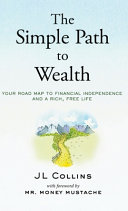
The Simple Path to Wealth was written by Jl Collins.
If you enjoyed The Simple Path to Wealth by Jl Collins and want to explore similar topics or deepen your understanding, we highly recommend these related book summaries:
These books cover related themes, complementary concepts, and will help you build upon the knowledge gained from The Simple Path to Wealth. Each of these summaries provides concise insights that can further enhance your understanding and practical application of the ideas presented in The Simple Path to Wealth.