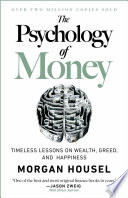
In 'The Psychology of Money,' Morgan Housel explores the intricate relationship between human behavior and financial decision-making. The book is a profound examination of how psychological factors influence our attitude...
Continue readingOne of the central themes of the book is that true wealth is often invisible. People tend to equate wealth with visible signs of affluence, such as expensive cars, lavish homes, and luxury vacations. However, the author,...
Continue readingHousel discusses the significant roles that luck and risk play in financial success. He points out that while hard work and intelligence are important, they are not the only factors that determine financial outcomes. Man...
Continue readingThe concept of compounding is one of the most powerful ideas in finance, and Housel emphasizes its importance throughout the book. Compounding refers to the process where the value of an investment increases because the ...
Continue readingHousel posits that one's behavior regarding money is often more important than knowledge of financial principles. Many people understand the basics of investing, saving, and budgeting, yet fail to implement these strateg...
Continue readingHousel emphasizes the value of financial independence, which allows individuals to make choices that align with their values and desires rather than being constrained by financial obligations. He argues that the ultimate...
Continue readingTime is a crucial factor in building wealth, and Housel emphasizes that the longer you invest, the greater your potential returns. This idea ties back to the concept of compounding, illustrating how even small amounts of...
Continue readingThe final key idea is that personal finance is highly individualistic and subjective. What works for one person may not work for another, as financial decisions are influenced by personal circumstances, values, and goals...
Continue readingThe reading time for The Psychology of Money depends on the reader's pace. However, this concise book summary covers the 7 key ideas from The Psychology of Money, allowing you to quickly understand the main concepts, insights, and practical applications in around 22 min.
The Psychology of Money is definitely worth reading. The book covers essential topics including Wealth is What You Don’t See, The Role of Luck and Risk, Compounding is Key, providing practical insights and actionable advice. Whether you read the full book or our concise summary, The Psychology of Money delivers valuable knowledge that can help you improve your understanding and apply these concepts in your personal or professional life.
The Psychology of Money was written by Morgan Housel.
If you enjoyed The Psychology of Money by Morgan Housel and want to explore similar topics or deepen your understanding, we highly recommend these related book summaries:
These books cover related themes, complementary concepts, and will help you build upon the knowledge gained from The Psychology of Money. Each of these summaries provides concise insights that can further enhance your understanding and practical application of the ideas presented in The Psychology of Money.