The book emphasizes the importance of understanding price sensitivity among customers. Price sensitivity refers to how the demand for a product changes as its price changes. Companies must recognize that different customer segments exhibit varying levels of price sensitivity. For instance, price-sensitive customers may switch to competitors if prices increase, while less price-sensitive customers may remain loyal despite price hikes. Understanding this concept allows businesses to tailor their pricing strategies effectively, ensuring they can maximize revenue without alienating their customer base. The authors provide frameworks and tools to analyze customer data and segment markets based on price sensitivity, thus enabling firms to optimize their pricing strategies.
Continue readingPrice is a crucial element of competitive strategy. The authors argue that businesses must not only focus on product quality and service but also on how their pricing positions them within the market. A well-thought-out pricing strategy can create significant competitive advantages. The book discusses various pricing strategies, such as penetration pricing, skimming, and value-based pricing, explaining how each can be used to achieve different business objectives. By aligning pricing strategies with overall business goals, companies can enhance their market position and profitability.
Continue readingDynamic pricing is a strategy that allows companies to adjust prices in real-time based on market demand, competition, and other external factors. The authors highlight the importance of leveraging technology and data analytics to implement dynamic pricing effectively. By using algorithms and machine learning, businesses can analyze vast amounts of data to predict customer behavior and adjust prices accordingly. This approach not only maximizes revenue but also helps in maintaining competitiveness in rapidly changing markets. The book provides case studies of companies that successfully implemented dynamic pricing strategies, showcasing the benefits and challenges involved.
Continue readingHow prices are communicated to customers can significantly impact their perception of value. The authors delve into the psychology of pricing, explaining how consumers interpret price information and what influences their purchasing decisions. Effective price communication can enhance perceived value and encourage purchases. The book discusses various techniques for communicating price changes, such as framing effects, reference pricing, and promotional pricing. By understanding the psychological aspects of pricing, companies can improve their marketing strategies and foster customer loyalty.
Continue readingThe authors stress the necessity of establishing a robust price management system within organizations. Such a system encompasses processes for setting, monitoring, and adjusting prices based on comprehensive market analysis and internal performance metrics. A well-implemented price management system allows companies to respond swiftly to market changes, ensuring they remain competitive. The book outlines the key components of an effective price management system, including data collection, price optimization tools, and cross-departmental collaboration. By integrating pricing into the broader business strategy, organizations can achieve sustained profitability.
Continue readingPricing strategies often raise ethical considerations, particularly regarding fairness and transparency. The authors explore the ethical implications of various pricing tactics, such as price discrimination and surge pricing. They argue that businesses must balance profitability with ethical responsibility, ensuring that their pricing practices do not exploit consumers. The book encourages companies to adopt ethical pricing practices that foster trust and long-term relationships with customers. By prioritizing ethics in pricing, organizations can enhance their brand reputation and customer loyalty.
Continue readingThe book concludes with insights into the future of pricing strategies in an increasingly digital and data-driven world. The authors predict that advancements in technology will continue to shape pricing practices, with artificial intelligence and big data playing pivotal roles. They emphasize the need for companies to remain agile and adaptable to emerging trends, such as subscription pricing models and personalized pricing. The book encourages organizations to innovate their pricing strategies continually, ensuring they can meet the evolving needs of consumers and stay ahead of the competition.
Continue readingThe reading time for The Price Advantage depends on the reader's pace. However, this concise book summary covers the 7 key ideas from The Price Advantage, allowing you to quickly understand the main concepts, insights, and practical applications in around 24 min.
The Price Advantage is definitely worth reading. The book covers essential topics including Understanding Price Sensitivity, The Role of Price in Competitive Strategy, Dynamic Pricing Strategies, providing practical insights and actionable advice. Whether you read the full book or our concise summary, The Price Advantage delivers valuable knowledge that can help you improve your understanding and apply these concepts in your personal or professional life.
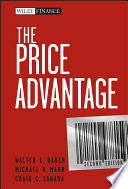
The Price Advantage was written by Craig C. Zawada, Michael V. Marn, Walter L. Baker.
If you enjoyed The Price Advantage by Craig C. Zawada, Michael V. Marn, Walter L. Baker and want to explore similar topics or deepen your understanding, we highly recommend these related book summaries:
These books cover related themes, complementary concepts, and will help you build upon the knowledge gained from The Price Advantage. Each of these summaries provides concise insights that can further enhance your understanding and practical application of the ideas presented in The Price Advantage.