The book emphasizes that wealth is not merely a static quantity but a dynamic process that involves the continuous creation and transformation of resources. It explores how wealth is generated through the interaction of human creativity, technological innovation, and the efficient allocation of resources. The author argues that understanding wealth creation as a process allows individuals and societies to adapt to changes and leverage opportunities in an ever-evolving economic landscape.
Continue readingA significant theme in the book is the role of information in wealth creation. The author discusses how the availability and dissemination of information can drastically alter economic outcomes. In the modern economy, information is often more valuable than physical resources, and those who can effectively gather, analyze, and utilize information can create substantial wealth. This idea underscores the importance of data and knowledge in driving innovation and economic growth.
Continue readingThe book delves into the concept of complexity and how wealth emerges from complex systems. It explains that economic systems are not linear but rather complex adaptive systems where various elements interact in unpredictable ways. The author illustrates how wealth can emerge from the interactions within these systems, highlighting the importance of adaptability, resilience, and the ability to navigate complexity in both individual and collective economic endeavors.
Continue readingInstitutional frameworks play a crucial role in wealth creation, according to the author. The book discusses how strong institutions—such as property rights, legal systems, and governance—are essential for fostering an environment conducive to innovation and investment. Without robust institutions, wealth creation can be stifled, and societies may struggle to achieve sustainable economic growth. This idea emphasizes the need for sound policies and governance to support economic development.
Continue readingTechnology is presented as a key driver of wealth creation in the book. The author argues that technological advancements enable new forms of production, distribution, and consumption, leading to increased efficiency and new market opportunities. The book explores various technological revolutions throughout history and their impact on economic structures, suggesting that understanding these dynamics is crucial for individuals and businesses seeking to thrive in a technology-driven world.
Continue readingThe book highlights the influence of cultural factors on wealth generation. It discusses how societal values, beliefs, and norms shape economic behavior and influence the propensity for innovation and entrepreneurship. The author argues that cultures that promote risk-taking, creativity, and collaboration tend to generate more wealth, while those that resist change may lag behind. This idea encourages readers to consider the cultural dimensions of economic success.
Continue readingIn the context of growing environmental concerns, the book addresses the importance of sustainability in wealth creation. It argues that future wealth generation must consider ecological limits and strive for sustainable practices. The author suggests that integrating sustainability into economic models can lead to innovative solutions that benefit both the economy and the environment, emphasizing the need for a paradigm shift towards sustainable wealth creation.
Continue readingThe reading time for The Origin of Wealth depends on the reader's pace. However, this concise book summary covers the 7 key ideas from The Origin of Wealth, allowing you to quickly understand the main concepts, insights, and practical applications in around 25 min.
The Origin of Wealth is definitely worth reading. The book covers essential topics including Wealth Creation as a Process, The Role of Information, Complexity and Emergence, providing practical insights and actionable advice. Whether you read the full book or our concise summary, The Origin of Wealth delivers valuable knowledge that can help you improve your understanding and apply these concepts in your personal or professional life.
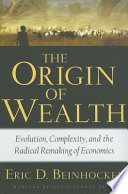
The Origin of Wealth was written by Eric D. Beinhocker.
If you enjoyed The Origin of Wealth by Eric D. Beinhocker and want to explore similar topics or deepen your understanding, we highly recommend these related book summaries:
These books cover related themes, complementary concepts, and will help you build upon the knowledge gained from The Origin of Wealth. Each of these summaries provides concise insights that can further enhance your understanding and practical application of the ideas presented in The Origin of Wealth.