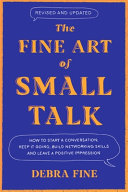
Small talk serves as the foundation for building relationships and establishing connections with others. It allows individuals to break the ice, transition into deeper conversations, and create a comfortable atmosphere. The author emphasizes that small talk is not trivial; rather, it is a vital social skill that can enhance both personal and professional interactions. Mastering the art of small talk can lead to more meaningful conversations, networking opportunities, and improved social confidence. Moreover, it can help in navigating various social settings, making one feel more at ease in unfamiliar environments.
Continue readingThe book provides various techniques for initiating and maintaining engaging small talk. These include asking open-ended questions, showing genuine interest in the other person's responses, and employing active listening skills. The author suggests using the 'FOCUS' method—Find common ground, Open the conversation, Create interest, Understand the other person, and Share your thoughts. By utilizing these techniques, individuals can create a dynamic and enjoyable dialogue that fosters connection and rapport.
Continue readingMany people experience anxiety or fear when it comes to engaging in small talk, particularly in new or large social settings. The book addresses these feelings and provides strategies for overcoming them. Techniques such as positive visualization, preparation, and reframing the mindset around social interactions can help individuals feel more confident. The author encourages readers to embrace their uniqueness and understand that many others share similar fears, which can reduce the pressure of small talk.
Continue readingUnderstanding and interpreting social cues is crucial for successful small talk. The book highlights the importance of non-verbal communication, such as body language, facial expressions, and tone of voice. By being attuned to these cues, individuals can adjust their approach in real-time, ensuring that the conversation remains engaging and appropriate. The author also emphasizes the significance of empathy and emotional intelligence in reading the room and responding effectively to others.
Continue readingHumor can be a powerful tool in small talk, as it helps to lighten the mood and create a more relaxed atmosphere. The book discusses how to incorporate humor appropriately into conversations without offending or alienating others. The author suggests using light-hearted anecdotes or humorous observations to engage listeners and foster a sense of camaraderie. However, it is essential to be mindful of the audience and context to ensure that humor is well-received.
Continue readingSmall talk can sometimes lead to more challenging discussions, particularly in sensitive situations. The author provides guidance on how to navigate these conversations gracefully. Techniques such as acknowledging discomfort, maintaining respect, and focusing on solutions rather than problems can help ease tensions. The book also discusses the importance of knowing when to pivot the conversation back to lighter topics or when to address deeper issues head-on.
Continue readingThe book concludes by emphasizing that the skills developed through practicing small talk can have long-term benefits in various aspects of life. Building a network of connections can lead to new opportunities, friendships, and collaborations. The author encourages readers to view small talk as an investment in their social capital, which can yield dividends in both personal and professional realms over time.
Continue readingThe reading time for The Fine Art of Small Talk depends on the reader's pace. However, this concise book summary covers the 7 key ideas from The Fine Art of Small Talk, allowing you to quickly understand the main concepts, insights, and practical applications in around 21 min.
The Fine Art of Small Talk is definitely worth reading. The book covers essential topics including The Importance of Small Talk, Techniques for Engaging Small Talk, Overcoming Anxiety and Fear, providing practical insights and actionable advice. Whether you read the full book or our concise summary, The Fine Art of Small Talk delivers valuable knowledge that can help you improve your understanding and apply these concepts in your personal or professional life.
The Fine Art of Small Talk was written by Debra Fine.
If you enjoyed The Fine Art of Small Talk by Debra Fine and want to explore similar topics or deepen your understanding, we highly recommend these related book summaries:
These books cover related themes, complementary concepts, and will help you build upon the knowledge gained from The Fine Art of Small Talk. Each of these summaries provides concise insights that can further enhance your understanding and practical application of the ideas presented in The Fine Art of Small Talk.