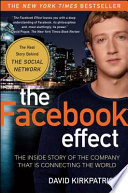
The inception of Facebook in 2004 by Mark Zuckerberg is a crucial part of its story. Initially created as a social networking site for Harvard students, it quickly expanded to other Ivy League schools and eventually to the public. The book details how Zuckerberg's vision of connecting people and creating a platform for social interaction was not just a technical endeavor but also a cultural shift. The early days of Facebook were marked by innovation, experimentation, and a relentless drive to grow. The narrative illustrates how the platform's design encouraged users to share personal information, which was a departure from previous social media platforms. This idea of openness and connectivity laid the groundwork for Facebook's future success and its impact on global communication.
Continue readingThe book explores how technology, particularly the internet and social media, has transformed the way humans interact. Facebook's architecture allows for instant communication, sharing of ideas, and engagement across vast distances. This idea emphasizes the shift from traditional forms of communication to digital interactions and how this has changed societal norms. The authors discuss the implications of these changes, including the potential for increased connectivity and the challenges of privacy and data security. The impact of algorithms on user behavior and content dissemination is also analyzed, highlighting the complexities of social media's influence on public discourse.
Continue readingFacebook's business model is primarily based on advertising, which is intricately linked to user data. The book delves into how Facebook collects vast amounts of data from its users to create targeted advertising opportunities. This model has not only generated significant revenue but also raised ethical questions regarding user privacy and consent. The authors explain how Facebook's ability to monetize user engagement has made it one of the most valuable companies in the world. Furthermore, the discussion includes the challenges and criticisms Facebook has faced regarding its business practices, including issues related to misinformation and the spread of harmful content.
Continue readingFacebook's rapid growth and its expansion into international markets is a key theme in the book. The authors detail how Facebook adapted its platform to cater to diverse cultures and user needs, which contributed to its global acceptance. This idea also touches on the challenges Facebook faced in different regions, including regulatory hurdles and cultural resistance. The narrative includes stories of how Facebook has been used in various social movements and its role in political discourse around the world. The book illustrates that while Facebook has connected billions of people, it has also encountered significant backlash and scrutiny in various contexts.
Continue readingThe societal implications of Facebook's rise are profound and multifaceted. The book discusses how Facebook has changed the landscape of communication, activism, and social relationships. It has empowered users to voice their opinions and organize movements, as seen in events like the Arab Spring. However, the authors also highlight the darker sides of this influence, including the spread of misinformation, cyberbullying, and the erosion of privacy. The duality of Facebook's impact—both positive and negative—raises important questions about the responsibility of social media platforms in shaping public discourse and societal values.
Continue readingZuckerberg's leadership style and the culture at Facebook are examined in depth throughout the book. The authors portray Zuckerberg as a visionary yet controversial figure whose decisions have significantly shaped the company. The book discusses the internal dynamics of Facebook, including its hiring practices, workplace culture, and the emphasis on innovation. The evolution of leadership from a small startup to a global powerhouse is marked by challenges, including conflicts within the company and external pressures from regulators and society. Understanding this evolution provides insights into how leadership and corporate culture can influence a company's trajectory.
Continue readingThe book concludes with a reflection on the future of Facebook and the broader implications for social media. The authors speculate on potential developments in technology, user behavior, and regulatory environments. They discuss the importance of adapting to changing societal expectations and the need for social media platforms to address issues such as privacy, misinformation, and user well-being. The future of Facebook is presented as a complex interplay between innovation, ethical considerations, and the broader impact on society. This idea encourages readers to think critically about the role of social media in their lives and the responsibilities of those who create and manage these platforms.
Continue readingThe reading time for The Facebook Effect depends on the reader's pace. However, this concise book summary covers the 7 key ideas from The Facebook Effect, allowing you to quickly understand the main concepts, insights, and practical applications in around 23 min.
The Facebook Effect is definitely worth reading. The book covers essential topics including The Birth of Facebook, The Role of Technology in Social Interaction, The Business Model of Facebook, providing practical insights and actionable advice. Whether you read the full book or our concise summary, The Facebook Effect delivers valuable knowledge that can help you improve your understanding and apply these concepts in your personal or professional life.
The Facebook Effect was written by David Kirkpatrick.
If you enjoyed The Facebook Effect by David Kirkpatrick and want to explore similar topics or deepen your understanding, we highly recommend these related book summaries:
These books cover related themes, complementary concepts, and will help you build upon the knowledge gained from The Facebook Effect. Each of these summaries provides concise insights that can further enhance your understanding and practical application of the ideas presented in The Facebook Effect.