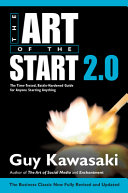
A successful startup begins with a solid business model. In 'The Art of the Start 2.0', Guy Kawasaki emphasizes the necessity of understanding how your business will make money. He argues that a clear business model not only guides your strategic decisions but also communicates the value proposition to potential investors, partners, and customers. The business model should outline the customer segments you will target, the value you will provide to them, and how you will deliver that value. This clarity is essential for attracting funding and ensuring sustainable growth. Kawasaki suggests using tools like the Business Model Canvas to visualize and refine your business model, allowing you to adjust your strategy based on market feedback and emerging opportunities.
Continue readingKawasaki underscores the significance of a compelling pitch in 'The Art of the Start 2.0'. A great pitch is not just about the product; it's about telling a story that resonates with your audience. He introduces the '10/20/30 Rule' for presentations—10 slides, 20 minutes, and a font size of no less than 30 points. This structure helps entrepreneurs focus on the essential elements of their business and present them in a clear, engaging manner. A strong pitch should cover the problem, the solution, the business model, and the team's qualifications. Kawasaki also emphasizes the importance of practicing the pitch to ensure confidence and clarity during the actual presentation.
Continue readingIn 'The Art of the Start 2.0', Kawasaki highlights that a startup's success heavily relies on its team. He advocates for assembling a group of individuals who not only possess the necessary skills but also share the same vision and passion for the project. Kawasaki discusses the importance of diversity in a team, as different perspectives can lead to innovative solutions. He also advises entrepreneurs to seek out advisors and mentors who can provide guidance and open doors to new opportunities. Building a strong team involves not just hiring the right people but also fostering a supportive culture that encourages collaboration and creativity.
Continue readingKawasaki introduces the concept of the Minimum Viable Product (MVP) as a crucial step in the startup process. An MVP is a version of your product that includes only the essential features necessary to satisfy early adopters and gather feedback. This approach allows entrepreneurs to test their assumptions about the market and iterate based on real user feedback, rather than investing significant resources into a fully developed product that may not meet market needs. Kawasaki stresses that the goal of an MVP is to learn as much as possible about the customers and their preferences, which can inform future product development and marketing strategies.
Continue readingKawasaki discusses the significance of effective marketing and branding in 'The Art of the Start 2.0'. He believes that a strong brand can create a lasting impression and differentiate your startup from competitors. Kawasaki emphasizes the need for a clear and consistent message that resonates with your target audience. He also explores various marketing channels, including social media, content marketing, and public relations, suggesting that startups should leverage these platforms to build awareness and engage with customers. Additionally, he highlights the importance of storytelling in marketing, encouraging entrepreneurs to share their journey and values to connect with their audience on a deeper level.
Continue readingKawasaki provides insights into the different avenues for funding a startup, emphasizing that entrepreneurs should explore various options to find the best fit for their business. He discusses traditional funding sources like venture capital and angel investors, as well as alternative options such as crowdfunding and bootstrapping. Kawasaki highlights the importance of understanding the implications of each funding source, including equity dilution and control over the business. He encourages entrepreneurs to be prepared for the fundraising process by developing a solid business plan and pitch, and by building relationships with potential investors early on. Ultimately, securing the right funding can significantly impact a startup's trajectory.
Continue readingIn the final chapter of 'The Art of the Start 2.0', Kawasaki emphasizes the need for perseverance and adaptability in the face of challenges. He acknowledges that the startup journey is fraught with obstacles and setbacks, but successful entrepreneurs are those who can learn from failures and pivot when necessary. Kawasaki encourages readers to maintain a growth mindset, viewing challenges as opportunities for learning and improvement. He also discusses the importance of being open to feedback and willing to iterate on both the product and business strategy. This resilience and flexibility are key traits that can help entrepreneurs navigate the unpredictable nature of starting and growing a business.
Continue readingThe reading time for The Art of the Start 2.0 depends on the reader's pace. However, this concise book summary covers the 7 key ideas from The Art of the Start 2.0, allowing you to quickly understand the main concepts, insights, and practical applications in around 24 min.
The Art of the Start 2.0 is definitely worth reading. The book covers essential topics including The Importance of a Business Model, The Role of a Great Pitch, Building a Strong Team, providing practical insights and actionable advice. Whether you read the full book or our concise summary, The Art of the Start 2.0 delivers valuable knowledge that can help you improve your understanding and apply these concepts in your personal or professional life.
The Art of the Start 2.0 was written by Guy Kawasaki.
If you enjoyed The Art of the Start 2.0 by Guy Kawasaki and want to explore similar topics or deepen your understanding, we highly recommend these related book summaries:
These books cover related themes, complementary concepts, and will help you build upon the knowledge gained from The Art of the Start 2.0. Each of these summaries provides concise insights that can further enhance your understanding and practical application of the ideas presented in The Art of the Start 2.0.