One of the foundational principles of effective public speaking is understanding your audience. This involves not only knowing who they are but also what they expect, their level of knowledge about the topic, and their potential biases. By tailoring your content to meet the audience's needs, you can create a more engaging and relevant experience. This requires research and sometimes even direct engagement with audience members prior to the speech. Knowing your audience helps in establishing credibility and rapport, which are crucial for persuasive communication.
Continue readingA well-structured speech is easier for the audience to follow and retain. The classic structure consists of an introduction, body, and conclusion. The introduction should capture attention and present the main idea. The body should contain clear, logical points supported by evidence, and the conclusion should summarize the key takeaways and provide a call to action. Effective transitions between sections enhance the flow of the speech. This structure not only aids in clarity but also helps the speaker stay organized and focused.
Continue readingStorytelling is a powerful tool in public speaking. It humanizes the speaker, makes the message relatable, and keeps the audience engaged. Stories can evoke emotions, making the content more memorable. The book emphasizes the importance of incorporating personal anecdotes or relevant stories that align with the speech's theme. This technique can transform dry facts into compelling narratives, allowing the audience to connect on a deeper level with the material presented.
Continue readingDelivery is as important as content. This includes voice modulation, body language, eye contact, and pacing. The book discusses how to use these elements to enhance the message. For instance, varying your tone can emphasize key points, while effective body language can convey confidence and enthusiasm. Eye contact fosters a connection with the audience, making them feel included in the conversation. Practicing these delivery techniques can significantly improve a speaker's effectiveness and audience engagement.
Continue readingA significant part of public speaking often involves responding to audience questions. The book provides strategies for handling Q&A sessions effectively, such as listening carefully, remaining calm, and answering honestly. It's essential to acknowledge questions, even if they are challenging. This shows respect for the audience's input and can enhance the speaker's credibility. Preparing for potential questions in advance can also help speakers feel more confident during this interactive segment.
Continue readingNervousness is a common challenge for many speakers. The book offers techniques to manage anxiety, such as deep breathing, visualization, and thorough preparation. Understanding that a certain level of nervousness is normal can help speakers reframe their mindset. Additionally, practicing in front of a small audience or recording oneself can build confidence. The key is to transform nervous energy into enthusiasm, which can enhance the delivery of the speech.
Continue readingPractice is crucial for successful public speaking. The book emphasizes that rehearsing not only helps in memorizing the content but also in refining delivery techniques. Practicing in front of a mirror, recording oneself, or presenting to friends can provide valuable feedback. This iterative process allows speakers to identify areas for improvement and build confidence. The more familiar a speaker is with their material, the more natural and engaging their delivery will be.
Continue readingThe reading time for The Art of Public Speaking depends on the reader's pace. However, this concise book summary covers the 7 key ideas from The Art of Public Speaking, allowing you to quickly understand the main concepts, insights, and practical applications in around 22 min.
The Art of Public Speaking is definitely worth reading. The book covers essential topics including Understanding Your Audience, Structuring Your Speech, The Power of Storytelling, providing practical insights and actionable advice. Whether you read the full book or our concise summary, The Art of Public Speaking delivers valuable knowledge that can help you improve your understanding and apply these concepts in your personal or professional life.
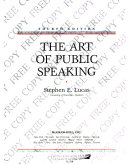
The Art of Public Speaking was written by Stephen Lucas.
If you enjoyed The Art of Public Speaking by Stephen Lucas and want to explore similar topics or deepen your understanding, we highly recommend these related book summaries:
These books cover related themes, complementary concepts, and will help you build upon the knowledge gained from The Art of Public Speaking. Each of these summaries provides concise insights that can further enhance your understanding and practical application of the ideas presented in The Art of Public Speaking.