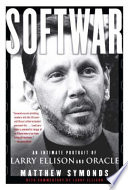
The book introduces the concept of 'Softwar,' a term that encompasses the growing influence of software on various aspects of society, economy, and governance. It highlights how software is not just a tool but a powerful entity that shapes our interactions, decisions, and behaviors. The author argues that software has become a new form of infrastructure, akin to roads and bridges, but more complex and pervasive. This idea emphasizes the need for a critical understanding of software's role in our lives, urging readers to consider the ethical implications of software design and deployment.
Continue readingOne of the central themes of the book is the notion of software being used as a weapon. The author discusses various instances where software has been employed in cyber warfare, espionage, and surveillance. This idea serves to illustrate how software can be weaponized to achieve political and military objectives, raising concerns about national security and personal privacy. The book delves into case studies of cyberattacks and the implications of such actions, prompting readers to reflect on the responsibilities of software developers and the potential consequences of their creations.
Continue readingThe book critically examines the role of big tech companies in shaping the landscape of software and its applications. It discusses how these corporations wield significant power over information dissemination, data privacy, and user autonomy. The author argues that the concentration of power in a few tech giants poses risks to democracy and individual freedoms. This idea encourages readers to question the ethical practices of these companies and consider the societal impact of their business models, particularly in relation to user data and algorithmic decision-making.
Continue readingAnother key idea presented in the book is the intersection of software and social justice. The author emphasizes that software can either perpetuate existing inequalities or serve as a tool for social change. Through various examples, the book illustrates how software can be designed to promote inclusivity and equity, but it can also reinforce biases and discrimination. This idea challenges readers to think critically about the design choices made in software development and the broader societal implications of these choices, advocating for a more equitable approach to technology.
Continue readingThe book explores how software is transforming the nature of work and employment. It discusses the rise of automation, artificial intelligence, and gig economy platforms, analyzing their effects on job security, workforce dynamics, and economic structures. The author raises important questions about the future of work, including the need for reskilling and adapting to a rapidly changing job market. This idea encourages readers to consider how they can prepare for the future and the role of policy in addressing the challenges posed by a software-driven economy.
Continue readingA significant focus of the book is on the ethical considerations surrounding software development. The author argues that software developers have a moral responsibility to consider the potential impacts of their work on society. This idea emphasizes the importance of ethical frameworks in guiding software design and implementation, advocating for a more conscientious approach to technology. The book provides practical recommendations for developers to incorporate ethical considerations into their work, fostering a culture of responsibility within the tech industry.
Continue readingThe final key idea discussed in the book is the necessity for regulation and governance in the software industry. The author argues that as software continues to permeate every aspect of life, there is an urgent need for policies and frameworks to ensure accountability and protect users. This idea highlights the challenges of regulating a fast-evolving industry and the importance of collaboration between governments, tech companies, and civil society. The book calls for a proactive approach to governance that prioritizes transparency, user rights, and the ethical use of technology.
Continue readingThe reading time for Softwar depends on the reader's pace. However, this concise book summary covers the 7 key ideas from Softwar, allowing you to quickly understand the main concepts, insights, and practical applications in around 24 min.
Softwar is definitely worth reading. The book covers essential topics including The Concept of Softwar, Software as a Weapon, The Role of Big Tech, providing practical insights and actionable advice. Whether you read the full book or our concise summary, Softwar delivers valuable knowledge that can help you improve your understanding and apply these concepts in your personal or professional life.
Softwar was written by Matthew Symonds.
If you enjoyed Softwar by Matthew Symonds and want to explore similar topics or deepen your understanding, we highly recommend these related book summaries:
These books cover related themes, complementary concepts, and will help you build upon the knowledge gained from Softwar. Each of these summaries provides concise insights that can further enhance your understanding and practical application of the ideas presented in Softwar.