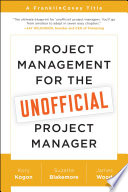
The book emphasizes the importance of grasping fundamental project management concepts, even for those who do not hold formal project management titles. It covers key terminology, methodologies, and the project lifecycle, which includes initiation, planning, execution, monitoring, and closure. Understanding these basics equips unofficial project managers with the knowledge to effectively lead projects, manage teams, and communicate objectives clearly. The book stresses that project management is not just for PM professionals; it's a necessary skill for anyone leading projects in their work environment.
Continue readingA significant portion of the book is dedicated to the dynamics of team building. It outlines strategies for assembling a team with complementary skills and fostering a collaborative environment. The author discusses the importance of defining roles and responsibilities clearly, setting expectations, and encouraging open communication. Effective teams are portrayed as the backbone of successful projects, and the book provides practical tips on how to motivate team members, resolve conflicts, and leverage diverse perspectives to enhance creativity and problem-solving capabilities.
Continue readingThe book highlights the critical role of stakeholder engagement in project success. It explains how to identify stakeholders, understand their needs and expectations, and involve them throughout the project lifecycle. The author emphasizes the importance of building relationships and maintaining open lines of communication with stakeholders to ensure their buy-in and support. By actively engaging stakeholders, unofficial project managers can better align project goals with organizational objectives, reduce resistance to change, and enhance overall project outcomes.
Continue readingPlanning is a cornerstone of successful project management, and the book provides a comprehensive guide on how to create effective project plans and schedules. It discusses various planning techniques, including setting SMART goals, defining project scope, and developing timelines. The author also introduces tools and software that can aid in project planning and scheduling. The importance of flexibility in planning is emphasized, as project managers often need to adjust their plans based on unforeseen circumstances or changes in stakeholder requirements.
Continue readingRisk management is another critical area covered in the book. The author outlines a systematic approach to identifying, assessing, and mitigating risks throughout the project lifecycle. This includes creating a risk management plan, utilizing risk assessment tools, and establishing contingency plans. By proactively managing risks, unofficial project managers can minimize disruptions and ensure that projects are completed on time and within budget. The book stresses that risk management is not just about avoiding problems but also about seizing opportunities that arise during the project.
Continue readingMonitoring and controlling project progress is essential for ensuring that projects stay on track. The book provides insights into various metrics and KPIs that can be used to measure project performance. It discusses the importance of regular status meetings, progress reports, and feedback loops to keep all stakeholders informed and engaged. The author also emphasizes the need for flexibility and adaptability, as project managers may need to pivot their strategies based on performance data and stakeholder feedback.
Continue readingThe final idea revolves around the importance of project closure and the lessons learned process. The book explains how to effectively close a project, including final deliverables, documentation, and stakeholder sign-off. It also emphasizes the value of conducting post-project reviews to capture lessons learned, which can be invaluable for future projects. By reflecting on what went well and what could be improved, unofficial project managers can enhance their skills and contribute to a culture of continuous improvement within their organizations.
Continue readingThe reading time for Project Management for the Unofficial Project Manager depends on the reader's pace. However, this concise book summary covers the 7 key ideas from Project Management for the Unofficial Project Manager, allowing you to quickly understand the main concepts, insights, and practical applications in around 26 min.
Project Management for the Unofficial Project Manager is definitely worth reading. The book covers essential topics including Understanding Project Management Basics, Building Effective Teams, Stakeholder Engagement, providing practical insights and actionable advice. Whether you read the full book or our concise summary, Project Management for the Unofficial Project Manager delivers valuable knowledge that can help you improve your understanding and apply these concepts in your personal or professional life.
Project Management for the Unofficial Project Manager was written by James Wood, Kory Kogon, Suzette Blakemore.
If you enjoyed Project Management for the Unofficial Project Manager by James Wood, Kory Kogon, Suzette Blakemore and want to explore similar topics or deepen your understanding, we highly recommend these related book summaries:
These books cover related themes, complementary concepts, and will help you build upon the knowledge gained from Project Management for the Unofficial Project Manager. Each of these summaries provides concise insights that can further enhance your understanding and practical application of the ideas presented in Project Management for the Unofficial Project Manager.