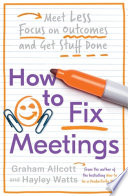
Book cover How to Fix Meetings
Select an audio
0:00
Intro - How to Fix Meetings --:--
1. Redefining the Purpose of Meetings --:--
2. The Importance of Preparation --:--
3. Engaging Participants Effectively --:--
4. Time Management and Structure --:--
5. Follow-Up and Accountability --:--
6. Leveraging Technology --:--
7. Continuous Improvement and Feedback --:--

How to Fix Meetings

Graham Allcott, Hayley Watts

Meet Less, Focus on Outcomes and Get Stuff Done

23 min
Summary

In 'How to Fix Meetings,' the author addresses a pervasive issue in modern workplaces: the inefficiency and ineffectiveness of meetings. The book serves as a practical guide for individuals and organizations seeking to enhance the quality and productivity of their meetings. The author begins by emphasizing the importance of redefining the purpose of meetings, advocating for a clear understanding of objectives before scheduling any gathering. This foundational principle sets the stage for all subsequent discussions in the book.

Preparation is identified as a critical factor in meeting success. The author stresses that both organizers and participants must come prepared, with a well-structured agenda and relevant materials. This preparation allows for focused discussions and minimizes wasted time. Techniques for engaging participants effectively are also explored, highlighting the need for interactive formats that encourage contributions from all attendees. By recognizing different communication styles and fostering an inclusive environment, meetings can become more dynamic and productive.

Time management is another key theme, with the book providing practical strategies for structuring meetings to maximize efficiency. The author advocates for time-boxing discussions and adhering to the agenda, ensuring that all topics are covered without unnecessary delays. This focus on time management not only respects participants' schedules but also enhances the overall effectiveness of meetings.

The importance of follow-up and accountability is underscored, with the author encouraging organizers to document decisions and assign tasks during meetings. This practice creates a clear record of action items and fosters accountability among participants, ultimately leading to tangible outcomes.

Leveraging technology is also discussed, with the author highlighting various tools that can enhance remote and hybrid meetings. By utilizing appropriate technology, organizations can create a more inclusive environment, allowing for seamless collaboration regardless of location.

Finally, the book advocates for a culture of continuous improvement, encouraging organizations to solicit feedback and adapt their meeting practices over time. This iterative approach ensures that meetings remain relevant and effective, ultimately contributing to the organization's success.

Overall, 'How to Fix Meetings' serves as a comprehensive guide for anyone looking to improve the quality and effectiveness of their meetings, providing actionable insights and strategies that can be implemented in any organizational context.

Redefining the Purpose of Meetings

One of the core tenets of 'How to Fix Meetings' is the necessity to redefine the purpose of meetings. Traditionally, meetings are often viewed as obligatory gatherings without clear objectives, leading to wasted time and disengagement. The book argues that every meeting should have a distinct purpose that aligns with the organization’s goals. This means that before scheduling a meeting, organizers should ask themselves what outcomes they expect and how these outcomes contribute to larger objectives. By establishing a clear purpose, participants can come prepared, ensuring that discussions are focused and productive. The book emphasizes that this shift in mindset can transform meetings from being a chore into a strategic tool for collaboration and decision-making.

Continue reading
Redefining the purpose of meetings is a critical shift that can fundamentally alter how organizations operate and communicate. The traditional view of meetings often casts them as obligatory events, where participants gather without a clear understanding of what is to be achieved. This lack of clarity frequently results in unproductive discussions, wasted time, and a general sense of disengagement among team members.

To tackle this issue, it is essential to establish a distinct purpose for each meeting. This involves asking probing questions before the meeting is even scheduled. Organizers should consider what specific outcomes they aim to achieve and how these outcomes will contribute to the broader objectives of the organization. This preparatory step is vital as it sets the tone for the meeting and ensures that everyone involved understands the significance of their participation.

When a meeting has a clear purpose, it allows participants to come prepared with relevant information, insights, and questions. This preparation is crucial as it promotes focused discussions, minimizes tangential conversations, and enhances overall productivity. Participants are more likely to feel engaged and invested in the meeting when they know that their contributions are aligned with the meeting's goals.

Moreover, redefining the purpose of meetings encourages a culture of accountability and ownership. When individuals understand that their input is valuable and that the meeting is designed to drive specific outcomes, they are more likely to take the meeting seriously. This shift not only improves the quality of discussions but also fosters a sense of teamwork and collaboration, as everyone works towards a common goal.

Additionally, this approach can transform meetings from being perceived as a chore into a strategic tool for collaboration and decision-making. Rather than viewing meetings as interruptions to their workflow, participants begin to see them as opportunities to align efforts, share insights, and make informed decisions. By strategically utilizing meetings in this way, organizations can enhance their overall efficiency and effectiveness.

Ultimately, redefining the purpose of meetings is about fostering a mindset that values intentionality and clarity. It encourages organizations to move away from the traditional, often ineffective, meeting culture and to adopt a more strategic approach that recognizes the importance of each gathering. This transformation can lead to more productive interactions, better decision-making, and a stronger alignment with organizational goals, ultimately benefiting the entire team and the organization as a whole.

The Importance of Preparation

Preparation is highlighted as a critical component of effective meetings. The book posits that many meetings fail not because of the participants but due to a lack of preparation. This involves not only the organizer preparing an agenda but also encouraging participants to come ready to contribute. By distributing materials in advance and setting clear expectations for what participants should prepare, meetings can become more efficient. The author suggests creating a checklist for organizers to ensure that all logistical aspects are covered, such as technology setup, time allocation, and participant roles. This preparation fosters a culture of accountability and respect for everyone’s time.

Continue reading
Preparation is underscored as an essential element for conducting effective meetings, and its significance cannot be overstated. The premise is that a considerable number of meetings do not achieve their intended outcomes, not because the attendees lack competence or interest, but primarily due to inadequate preparation. This preparation is a multifaceted process that encompasses various responsibilities for both the meeting organizer and the participants.

For the organizer, the first step is to develop a well-structured agenda that outlines the objectives of the meeting. This agenda should not only list topics to be discussed but also specify the desired outcomes for each item, ensuring that the meeting remains focused and productive. Furthermore, the organizer should distribute relevant materials ahead of time, allowing participants to familiarize themselves with the content and come prepared with informed insights and questions. This proactive approach not only saves time during the meeting but also enhances the quality of contributions from attendees.

In addition to setting the agenda and distributing materials, the organizer has a responsibility to establish clear expectations regarding participant preparation. This could involve communicating specific roles for each attendee, highlighting who will lead discussions on particular topics, and encouraging individuals to think critically about the issues at hand. By fostering a sense of ownership among participants, meetings can transform from passive listening sessions into dynamic discussions where everyone feels empowered to contribute.

Moreover, logistical aspects play a crucial role in the overall effectiveness of the meeting. The organizer should create a comprehensive checklist that addresses all logistical considerations, such as ensuring the appropriate technology is set up and functioning, confirming that the meeting space is conducive to discussion, and allocating sufficient time for each agenda item. This attention to detail not only minimizes disruptions during the meeting but also conveys respect for the participants' time and efforts.

Additionally, cultivating a culture of accountability is vital. When participants understand the importance of preparation and see that their contributions are valued, they are more likely to take their roles seriously. This culture fosters mutual respect among team members, as everyone recognizes that their time is precious and that they are collectively working towards a common goal.

In essence, effective meetings hinge on the principle of preparation. By prioritizing this aspect, organizations can enhance the efficiency and productivity of their meetings, leading to better outcomes and a more engaged team. The ripple effect of this preparation is significant, as it not only improves the immediate meeting experience but also contributes to a more collaborative and accountable organizational culture over time.

Engaging Participants Effectively

Engagement is critical for the success of any meeting. The book discusses various strategies to boost participant engagement, such as interactive formats, breakout sessions, and utilizing technology to facilitate discussion. The author emphasizes that disengagement often stems from passive listening, so it is essential to create an environment where everyone feels encouraged to contribute. Techniques like round-robin sharing, polls, and Q&A sessions can help ensure that all voices are heard. Moreover, the book highlights the importance of recognizing and addressing different communication styles to make sure that all participants feel comfortable and valued.

Continue reading
Engaging participants effectively is a cornerstone of successful meetings, as it directly influences the quality of discussions and the outcomes achieved. The text delves into the necessity of fostering an interactive atmosphere where attendees are not merely passive listeners but active contributors. This shift from a traditional lecture-style meeting to a more dynamic format can significantly enhance engagement levels.

One of the primary strategies discussed involves incorporating interactive formats. This can include activities such as breakout sessions, where participants are divided into smaller groups to discuss specific topics or brainstorm solutions. This approach not only encourages participation but also allows for more intimate discussions, enabling individuals to express their thoughts and ideas without the intimidation that can sometimes accompany larger group settings.

In addition to breakout sessions, the use of technology is emphasized as a powerful tool for facilitating engagement. Digital platforms can offer various interactive features, such as live polls, chat functions, and collaborative documents, which enable real-time feedback and participation. These tools can help to break down barriers and make it easier for participants to share their opinions, ensuring that everyone has an opportunity to contribute.

Recognizing that disengagement often arises from passive listening, the text underscores the importance of creating an environment that encourages contributions from all attendees. Techniques such as round-robin sharing, where each participant is given a chance to speak in turn, can help to ensure that every voice is heard. This method not only promotes inclusivity but also helps to draw out insights from quieter individuals who may otherwise hold back in larger discussions.

Moreover, the book highlights the significance of addressing different communication styles among participants. Not everyone communicates in the same way, and being aware of these differences can help to create a more comfortable atmosphere for all. Some individuals may prefer to share their thoughts verbally, while others may feel more at ease expressing themselves through written formats or visual aids. By recognizing and accommodating these varying preferences, meeting facilitators can foster a more inclusive environment where all participants feel valued and empowered to share their perspectives.

In summary, the focus on engaging participants effectively revolves around transforming meetings into collaborative spaces. By utilizing interactive formats, leveraging technology, encouraging diverse communication styles, and actively involving all attendees, meetings can become more productive and fulfilling experiences for everyone involved.

Time Management and Structure

Effective time management is a significant theme in 'How to Fix Meetings.' The book outlines strategies for structuring meetings to maximize productivity. This includes setting time limits for discussions, using timers, and sticking to the agenda. The author argues that meetings should be time-boxed to prevent them from dragging on unnecessarily. Additionally, the book suggests that organizers should allocate specific time slots for different topics, ensuring that all agenda items are covered while allowing for flexibility if deeper discussions are warranted. By managing time effectively, meetings can remain focused and productive, ultimately leading to better outcomes.

Continue reading
Effective time management is a pivotal theme that permeates the discussion on enhancing meeting productivity. The essence of this concept lies in the structured approach to how meetings are conducted, ensuring that every minute spent in a meeting is purposeful and contributes to achieving the desired outcomes.

At the core of effective time management in meetings is the practice of setting clear time limits for discussions. This involves establishing a predetermined duration for each agenda item, which helps create a sense of urgency among participants. By knowing that there is a finite amount of time to engage in discussions, attendees are encouraged to stay focused and avoid digressing into unrelated topics. This practice not only fosters a more efficient use of time but also cultivates a culture of respect for everyone’s schedules.

The use of timers is another practical strategy highlighted in the discussion. By incorporating visual or audible timers during meetings, participants are constantly reminded of the time constraints, which can help maintain momentum and encourage concise communication. This technique serves as a gentle nudge to keep conversations on track and ensures that discussions do not meander into lengthy debates that could otherwise derail the meeting's objectives.

Sticking to a well-defined agenda is equally crucial in managing time effectively. An agenda acts as a roadmap for the meeting, guiding participants through the topics to be covered and the time allocated to each. This structured approach allows for a more organized flow of information and discussion, minimizing the chances of important points being overlooked. Additionally, it provides a clear framework for what needs to be accomplished, which can enhance accountability among participants.

Time-boxing is a specific technique that is emphasized as a method to prevent meetings from dragging on unnecessarily. By assigning a fixed duration to the entire meeting as well as to individual agenda items, organizers can create an environment where discussions are concise and to the point. This not only helps in maintaining energy levels among participants but also ensures that meetings do not extend beyond their intended purpose.

Moreover, the allocation of specific time slots for different topics is advocated to ensure comprehensive coverage of all agenda items. This strategic distribution of time allows for a balanced discussion across various subjects, ensuring that no single topic monopolizes the meeting. However, the discussion also acknowledges the need for flexibility. While it’s important to adhere to the agenda, there may be instances where deeper conversations are warranted. In such cases, having a flexible approach allows for the possibility of extending discussions on significant topics while still being mindful of the overall time constraints.

In essence, effective time management in meetings is about creating a focused and productive environment. By implementing structured time limits, utilizing timers, adhering to a well-organized agenda, practicing time-boxing, and allowing for flexible discussions when necessary, meetings can transform from time-consuming obligations into powerful tools for collaboration and decision-making. The ultimate goal is to enhance productivity and achieve better outcomes, making the most of the valuable time that participants dedicate to these gatherings.

Follow-Up and Accountability

The book stresses the importance of follow-up after meetings. Many meetings conclude without a clear understanding of action items, which can lead to inaction and frustration. The author advocates for documenting decisions made during the meeting and assigning accountability for tasks. This not only ensures that everyone knows their responsibilities but also creates a record that can be referred back to. Follow-ups can be facilitated through emails or project management tools that track progress. By establishing a culture of accountability, organizations can enhance the effectiveness of their meetings and ensure that discussions lead to tangible results.

Continue reading
The concept of follow-up and accountability is critically examined in the context of enhancing the effectiveness of meetings. It highlights a common pitfall in many organizational settings where meetings conclude without a clear and actionable plan. This lack of clarity can lead to a cycle of inaction, where participants leave the meeting with good intentions but no concrete steps to follow through on the discussions that took place.

The importance of documenting decisions made during meetings cannot be overstated. By taking thorough notes that capture key points, decisions, and action items, organizations create a tangible record that serves multiple purposes. First, it ensures that everyone involved has a shared understanding of what was discussed and agreed upon. This shared understanding is crucial for maintaining alignment and preventing misunderstandings that can arise in the absence of clear documentation.

Assigning accountability for specific tasks is another fundamental aspect of this concept. When action items are clearly defined and assigned to specific individuals or teams, it creates a sense of ownership. Participants are more likely to follow through on their commitments when they know they are responsible for delivering specific outcomes. This practice also fosters a culture of accountability within the organization, where individuals are encouraged to take responsibility for their contributions and the overall success of team objectives.

Follow-ups play a significant role in this accountability framework. They serve as reminders of the commitments made during the meeting and provide an opportunity to check in on progress. Utilizing tools such as emails or project management software can streamline this process. These tools allow teams to track the status of action items, making it easier to monitor whether tasks are being completed on time and to address any obstacles that may arise.

Furthermore, establishing a culture of accountability goes beyond just individual responsibility; it cultivates an environment where team members feel empowered to hold each other accountable. When accountability is embedded in the organizational culture, meetings become more productive because participants are more engaged and motivated to contribute meaningfully. They recognize that their input has real consequences and that their efforts directly impact the team's success.

In summary, the emphasis on follow-up and accountability transforms meetings from mere discussions into productive sessions that yield actionable results. By documenting decisions, assigning responsibilities, and utilizing effective follow-up mechanisms, organizations can ensure that meetings lead to meaningful outcomes and foster a collaborative environment where accountability is valued and practiced.

Leveraging Technology

In today's digital age, the book emphasizes the role of technology in enhancing meetings. It discusses various tools and platforms that can facilitate remote meetings, collaboration, and documentation. The author encourages organizations to explore different technologies that suit their needs, whether it's video conferencing tools, collaborative documents, or project management software. The book also addresses potential pitfalls of technology, such as technical difficulties or distractions, and provides strategies to mitigate these issues. By leveraging technology effectively, organizations can create a more inclusive and productive meeting environment, especially in hybrid or remote work settings.

Continue reading
In the contemporary landscape of work, where remote and hybrid models are becoming increasingly prevalent, the importance of leveraging technology in meetings cannot be overstated. The discussion begins with an acknowledgment of the myriad tools and platforms available that can significantly enhance the meeting experience. These tools are not just limited to video conferencing software; they encompass a wide range of solutions designed to facilitate communication, collaboration, and documentation.

Video conferencing tools, for example, have revolutionized the way teams connect, enabling face-to-face interactions regardless of geographical barriers. The book highlights the importance of selecting the right platform that aligns with the team's needs. It discusses features to consider, such as ease of use, integration capabilities with other tools, and the ability to record sessions for future reference. This ensures that all participants, whether present or absent, can stay informed and engaged.

Collaboration tools are another critical component discussed in the context of enhancing meetings. These can include shared documents, virtual whiteboards, and project management software that allow team members to contribute in real time. The emphasis is on creating an interactive environment where everyone can share ideas, provide feedback, and track progress collectively. This collaborative approach not only increases engagement but also fosters a sense of ownership among team members regarding the meeting outcomes.

Documentation is also a key focus area. The book underscores the necessity of capturing meeting notes, action items, and decisions made during discussions. Utilizing tools that automate this process can save time and reduce the likelihood of miscommunication. By having a centralized place for documentation, teams can easily refer back to previous discussions, ensuring continuity and accountability.

However, the text does not shy away from addressing the potential pitfalls that come with relying heavily on technology. Technical difficulties, such as poor internet connections, software glitches, or compatibility issues, can derail even the best-planned meetings. The book offers practical strategies for mitigating these risks, such as conducting technology checks before meetings, having backup plans in place, and providing training for team members on how to use the tools effectively.

Distractions are another concern that technology can inadvertently introduce. The book discusses the phenomenon of multitasking during virtual meetings, where participants might be tempted to check emails or engage in other activities. To combat this, it suggests establishing ground rules for meetings, such as encouraging participants to turn off notifications and remain focused on the discussion at hand.

Ultimately, the goal of leveraging technology in meetings is to create a more inclusive and productive environment. This is especially crucial in hybrid or remote work settings, where team dynamics can be more challenging to navigate. By thoughtfully integrating technology into the meeting process, organizations can ensure that all voices are heard, collaboration is seamless, and the overall effectiveness of meetings is significantly enhanced. This not only leads to better outcomes but also contributes to a more engaged and motivated workforce.

Continuous Improvement and Feedback

Finally, 'How to Fix Meetings' advocates for a culture of continuous improvement when it comes to meetings. The author suggests regularly soliciting feedback from participants about the effectiveness of meetings and areas for improvement. This feedback loop can help organizers refine their approach and adapt to the needs of the team. The book encourages organizations to experiment with different formats and structures, learning from both successes and failures. By fostering a mindset of continuous improvement, organizations can evolve their meeting practices, ensuring that they remain relevant and effective in achieving their goals.

Continue reading
The concept of continuous improvement and feedback in the context of meetings emphasizes the necessity of creating a dynamic environment where the effectiveness of meetings is constantly evaluated and enhanced. This approach starts with the understanding that not all meetings are created equal, and their value can vary significantly based on numerous factors including their purpose, structure, and the participants involved.

To implement this culture, it is essential for meeting organizers to actively seek input from attendees regarding their experiences in meetings. This can be done through various methods such as post-meeting surveys, informal discussions, or feedback forms. The key is to create a safe space where participants feel comfortable sharing their thoughts and suggestions. This feedback should focus on multiple aspects of the meeting, including clarity of objectives, relevance of the agenda items, participant engagement, and overall satisfaction with the meeting format.

Once feedback is collected, it is crucial to analyze it thoughtfully to identify common themes or recurring issues. This analysis can reveal insights into what works well and what does not, enabling organizers to make informed adjustments to future meetings. For instance, if feedback indicates that meetings often run too long, organizers may experiment with shorter time slots or stricter time management techniques. Alternatively, if participants express a desire for more interactive elements, organizers can incorporate breakout sessions or collaborative activities to foster engagement.

The book encourages a mindset that embraces experimentation and learning. This means that organizations should not shy away from trying new formats or structures, even if they have traditionally adhered to a particular way of conducting meetings. By piloting different approaches, teams can gather data on their effectiveness and refine them based on real-world outcomes. For example, a team might test a standing meeting format to see if it increases focus and reduces the tendency to linger on less critical topics.

Moreover, continuous improvement is not a one-time effort; it is an ongoing process. Organizations should regularly revisit their meeting practices, perhaps on a quarterly or biannual basis, to assess whether the changes implemented have led to desired outcomes or if further adjustments are necessary. This iterative process ensures that meeting practices evolve in alignment with the changing needs of the team and the organization as a whole.

Ultimately, fostering a culture of continuous improvement in meetings leads to greater efficiency, increased productivity, and enhanced collaboration among team members. By valuing feedback and being willing to adapt, organizations can ensure that their meetings are not only relevant but also instrumental in achieving their strategic goals. This approach transforms meetings from a mere obligation into a powerful tool for communication and collaboration, driving the organization forward.

Who Should Read This Book?

This book is ideal for managers, team leaders, and anyone involved in organizing or participating in meetings. It is particularly beneficial for those in roles that require frequent collaboration and decision-making, such as project managers, executives, and HR professionals. Additionally, individuals seeking to improve their personal productivity and engagement in meetings will find valuable insights within its pages.

Summaries like How to Fix Meetings

Boring Meetings Suck
Jon Petz
Get More Out of Your Meetings, or Get Out of More Meetings
17 min
No More Pointless Meetings
Martin Murphy
Breakthrough Sessions That Will Revolutionize the Way You Work
18 min
High-Impact Tools for Teams
Alexander Osterwalder, Stefano Mastrogiacomo
5 Tools to Align Team Members, Build Trust, and Get Results Fast
19 min
Work Clean
Dan Charnas
The life-changing power of mise-en-place to organize your life, work, and mind
19 min
Making Things Happen
Scott Berkun
Mastering Project Management
21 min
Build for Change
Alan Trefler
Revolutionizing Customer Engagement through Continuous Digital Innovation
23 min
Radical Collaboration
James W. Tamm, Ronald J. Luyet
Five Essential Skills to Overcome Defensiveness and Build Successful Relationships
21 min
The Score That Matters
Brook Cupps, Ryan Hawk
Growing Excellence in Yourself and Those You Lead
20 min
Saving Time
Jenny Odell
Discovering a Life Beyond Productivity Culture
19 min
Decisions, Decisions!
Andrew Leigh
A Practical Management Guide to Problem Solving and Decision Making
21 min
Hope Is Not a Strategy
Christian Underwood, Jürgen Weigand
StrategyFrame®: The smart way to make strategy work
23 min
Work Less, Make More
Kim Northwood
The Millennial's Guide to Financial Freedom
20 min
We Dont Talk About That
Giselle Roeder
An Amazing Story of Survival
20 min
A World Without Email
Cal Newport
Find Focus and Transform the Way You Work Forever (from the NYT bestselling productivity expert)
20 min
Conversations Worth Having
Cheri Torres, David L. Cooperrider, Jacqueline M. Stavros
Using Appreciative Inquiry to Fuel Productive and Meaningful Engagement
21 min

About the Authors

Graham Allcott

Graham Allcott is a British author, entrepreneur, and speaker known for his expertise in productivity and time management. He is the founder of Think Productive, a company dedicated to helping individuals and organizations improve their productivity through workshops, training, and coaching. Allcott has gained recognition for his practical approach to productivity, emphasizing the importance of effective time management and personal organization.

He is the author of several books, including "How to be a Productivity Ninja," which has been well-received for its actionable insights and engaging style. In his writing and speaking engagements, Allcott often explores themes related to personal development, work-life balance, and the impact of technology on productivity. His work aims to empower individuals to take control of their time and enhance their effectiveness in both personal and professional settings.

Allcott is also known for his contributions to discussions on the future of work and the evolving nature of productivity in a rapidly changing world. Through his various platforms, he continues to inspire and educate audiences on how to navigate the complexities of modern work life.

Hayley Watts

Hayley Watts is a professional known for her contributions in the fields of business and personal development. She has gained recognition for her insights into leadership, entrepreneurship, and personal growth. Watts is often associated with themes that emphasize the importance of resilience, innovation, and strategic thinking in achieving success.

Her work typically focuses on empowering individuals and organizations to reach their full potential through effective communication and goal-setting strategies. Watts has been involved in various speaking engagements and workshops, where she shares her expertise and motivates audiences to embrace change and pursue their aspirations.

While specific details about her educational background and career milestones are not widely documented, her influence in the business community is evident through her commitment to fostering a culture of continuous learning and improvement. Hayley Watts continues to inspire many through her dedication to helping others navigate the complexities of the modern business landscape.

How to Fix Meetings FAQs

How long does it take to read How to Fix Meetings?

The reading time for How to Fix Meetings depends on the reader's pace. However, this concise book summary covers the 7 key ideas from How to Fix Meetings, allowing you to quickly understand the main concepts, insights, and practical applications in around 23 min.

Is How to Fix Meetings a good book? Is it worth reading?

How to Fix Meetings is definitely worth reading. The book covers essential topics including Redefining the Purpose of Meetings, The Importance of Preparation, Engaging Participants Effectively, providing practical insights and actionable advice. Whether you read the full book or our concise summary, How to Fix Meetings delivers valuable knowledge that can help you improve your understanding and apply these concepts in your personal or professional life.

Who is the author of How to Fix Meetings?

How to Fix Meetings was written by Graham Allcott, Hayley Watts.

What to read after How to Fix Meetings?

If you enjoyed How to Fix Meetings by Graham Allcott, Hayley Watts and want to explore similar topics or deepen your understanding, we highly recommend these related book summaries:

  • Boring Meetings Suck by Jon Petz
  • No More Pointless Meetings by Martin Murphy
  • High-Impact Tools for Teams by Alexander Osterwalder, Stefano Mastrogiacomo
  • Work Clean by Dan Charnas
  • Making Things Happen by Scott Berkun

These books cover related themes, complementary concepts, and will help you build upon the knowledge gained from How to Fix Meetings. Each of these summaries provides concise insights that can further enhance your understanding and practical application of the ideas presented in How to Fix Meetings.