Effective communication is the cornerstone of successful project management. It involves not just the clear conveyance of information but also active listening, understanding non-verbal cues, and adapting communication styles to suit different stakeholders. Project managers must ensure that all team members are on the same page regarding project goals, timelines, and responsibilities. This requires regular updates, feedback loops, and an open-door policy that encourages team members to voice concerns and suggestions. By fostering a culture of transparent communication, project managers can mitigate misunderstandings and align team efforts towards shared objectives.
Continue readingTrust is fundamental in any team dynamic. Project managers must cultivate trust among team members, stakeholders, and clients to facilitate collaboration and minimize friction. This can be achieved through integrity, consistency, and demonstrating competence. Building strong relationships involves understanding individual team members' strengths, weaknesses, and motivations. When team members feel valued and understood, they are more likely to contribute positively to the project. Trust also extends to stakeholders, where project managers must maintain transparency and manage expectations effectively to ensure long-term partnerships.
Continue readingConflict is inevitable in any project setting due to differing opinions, stress, and competing priorities. Project managers need to develop skills in conflict resolution to address issues promptly and constructively. This involves recognizing the sources of conflict, facilitating open discussions, and guiding team members towards collaborative solutions. Effective conflict resolution not only resolves immediate issues but also strengthens team dynamics and fosters a culture of respect and understanding. By addressing conflicts head-on, project managers can prevent escalation and maintain a healthy working environment.
Continue readingA motivated team is crucial for project success. Project managers must learn how to inspire their teams by setting a clear vision, recognizing individual contributions, and providing opportunities for professional growth. Understanding what motivates each team member—be it recognition, autonomy, or career advancement—enables project managers to tailor their approach effectively. By creating an environment where team members feel engaged and valued, project managers can enhance productivity and foster a sense of ownership over project outcomes.
Continue readingNegotiation is a vital skill for project managers, as they often need to balance the interests of various stakeholders, including team members, clients, and upper management. Effective negotiation involves preparation, understanding the needs and desires of all parties, and finding mutually beneficial solutions. Project managers must approach negotiations with a mindset of collaboration rather than competition, aiming to build consensus while ensuring project goals are met. Strong negotiation skills can lead to better resource allocation, stakeholder satisfaction, and overall project success.
Continue readingIn today’s globalized work environment, project managers must be culturally aware and sensitive to the diverse backgrounds of their team members and stakeholders. This involves understanding different communication styles, values, and work ethics. Project managers should strive to create an inclusive environment where all voices are heard and respected. By embracing cultural diversity, project managers can leverage different perspectives to enhance creativity and problem-solving within their teams, ultimately leading to more innovative project outcomes.
Continue readingThe ability to adapt to changing circumstances is essential for project managers. Projects often encounter unexpected challenges that require quick thinking and flexibility. Project managers must be prepared to adjust plans, reallocate resources, and pivot strategies as needed. This adaptability also extends to team dynamics, where project managers should be open to feedback and willing to make changes to enhance team performance. By modeling adaptability, project managers can instill a similar mindset within their teams, fostering resilience and a proactive approach to problem-solving.
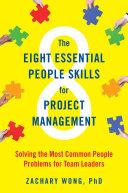
Continue readingThe reading time for The Eight Essential People Skills for Project Management depends on the reader's pace. However, this concise book summary covers the 7 key ideas from The Eight Essential People Skills for Project Management, allowing you to quickly understand the main concepts, insights, and practical applications in around 23 min.
The Eight Essential People Skills for Project Management is definitely worth reading. The book covers essential topics including Effective Communication, Building Trust and Relationships, Conflict Resolution, providing practical insights and actionable advice. Whether you read the full book or our concise summary, The Eight Essential People Skills for Project Management delivers valuable knowledge that can help you improve your understanding and apply these concepts in your personal or professional life.
The Eight Essential People Skills for Project Management was written by Zachary Wong.
If you enjoyed The Eight Essential People Skills for Project Management by Zachary Wong and want to explore similar topics or deepen your understanding, we highly recommend these related book summaries:
These books cover related themes, complementary concepts, and will help you build upon the knowledge gained from The Eight Essential People Skills for Project Management. Each of these summaries provides concise insights that can further enhance your understanding and practical application of the ideas presented in The Eight Essential People Skills for Project Management.