One of the primary myths discussed in the book is the illusion of control that leaders often believe they have over their strategic decisions. The author argues that while leaders can influence outcomes, they cannot control every variable in a complex environment. This myth leads to overconfidence in decision-making and a tendency to ignore the unpredictable nature of markets and competition. The book emphasizes the importance of recognizing the limits of one's control and suggests adopting a more flexible and adaptive approach to strategy, which involves being prepared for unexpected changes and uncertainties.
Continue readingAnother significant myth is the belief that a perfect strategic plan can be developed and executed flawlessly. The author highlights that in reality, no plan can account for all variables, and external factors can derail even the best-laid strategies. This myth can lead organizations to become overly rigid in their planning processes, stifling innovation and adaptability. The book advocates for iterative planning, where strategies are continuously revised based on feedback and changing circumstances, allowing organizations to remain agile and responsive.
Continue readingThe book also addresses the fallacy that outcomes can be predicted with certainty based on historical data and trends. While data analysis is essential for informed decision-making, the author cautions against over-reliance on past performance as an indicator of future success. This myth can lead organizations to become complacent, believing they have a clear path to success based on historical precedents. Instead, the author encourages leaders to embrace uncertainty and to consider a range of possible outcomes, fostering a culture of experimentation and learning.
Continue readingA key theme in the book is the misunderstanding surrounding competitive advantage. Many organizations believe that achieving a competitive edge is a static goal that can be secured and maintained indefinitely. However, the author argues that competitive advantage is dynamic and can quickly erode as market conditions change and competitors adapt. The book emphasizes the importance of continuously reassessing one’s competitive position and being willing to innovate and pivot in response to new threats and opportunities.
Continue readingThe author critiques the overemphasis on analytical frameworks and models in strategic planning. While analysis is a critical component of strategy, the book argues that an excessive focus on data and frameworks can lead to paralysis by analysis, where organizations become bogged down in details and miss opportunities for action. The author advocates for a balanced approach that combines analysis with intuition, creativity, and real-world experience, encouraging leaders to trust their instincts and take calculated risks.
Continue readingThe book warns against the danger of following trends blindly without understanding their implications for one’s organization. Many leaders fall into the trap of adopting popular strategies or practices simply because they are trending, rather than critically assessing their relevance and suitability. This myth can lead to misalignment with organizational goals and wasted resources. The author emphasizes the importance of a tailored approach to strategy that considers an organization’s unique context, capabilities, and objectives.
Continue readingFinally, the book underscores the need for a learning culture within organizations. The author argues that in a rapidly changing business environment, organizations must foster a culture of continuous learning and adaptation. This involves encouraging experimentation, embracing failure as a learning opportunity, and promoting open communication and collaboration. By cultivating a learning culture, organizations can become more resilient and better equipped to navigate the complexities of modern strategy.
Continue readingThe reading time for Myths of Strategy depends on the reader's pace. However, this concise book summary covers the 7 key ideas from Myths of Strategy, allowing you to quickly understand the main concepts, insights, and practical applications in around 21 min.
Myths of Strategy is definitely worth reading. The book covers essential topics including The Illusion of Control, The Myth of the Perfect Plan, The Fallacy of Predictable Outcomes, providing practical insights and actionable advice. Whether you read the full book or our concise summary, Myths of Strategy delivers valuable knowledge that can help you improve your understanding and apply these concepts in your personal or professional life.
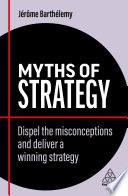
Myths of Strategy was written by Jérôme Barthélemy.
If you enjoyed Myths of Strategy by Jérôme Barthélemy and want to explore similar topics or deepen your understanding, we highly recommend these related book summaries:
These books cover related themes, complementary concepts, and will help you build upon the knowledge gained from Myths of Strategy. Each of these summaries provides concise insights that can further enhance your understanding and practical application of the ideas presented in Myths of Strategy.