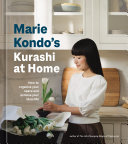
Book cover Marie Kondo's Kurashi at Home
Select an audio
0:00
Intro - Marie Kondo's Kurashi at Home --:--
1. The Concept of Kurashi --:--
2. Decluttering with Purpose --:--
3. The Importance of Space and Environment --:--
4. Mindfulness in Daily Life --:--
5. Creating a Personal Sanctuary --:--
6. Sustainability and Conscious Living --:--
7. Cultivating Joy and Gratitude --:--

Marie Kondo's Kurashi at Home

Marie Kondo

How to Organize Your Space and Achieve Your Ideal Life

20 min
Summary

Marie Kondo's 'Kurashi at Home' introduces readers to the concept of kurashi, which is about living intentionally and harmoniously within one's home. The book expands on Kondo's famous decluttering philosophy, encouraging readers to not just organize their spaces but to create environments that reflect their values and bring them joy. Kondo's approach is holistic, emphasizing the importance of mindfulness, gratitude, and sustainability in our daily lives. Throughout the book, she provides practical advice on how to declutter with purpose, cultivate personal sanctuaries, and design spaces that nurture well-being. Kondo argues that our physical environments significantly impact our mental and emotional health, and by creating organized, joyful spaces, we can enhance our overall quality of life.

The book also addresses the importance of daily rituals and mindfulness, suggesting that simple tasks can be transformed into meaningful experiences when approached with intention. Kondo encourages readers to reflect on their belongings and their purpose within their lives, fostering a deeper connection to both their possessions and their personal journeys. Additionally, the theme of sustainability is woven throughout the narrative, urging individuals to be conscious of their consumption and to appreciate the impact of their choices on the environment.

Ultimately, 'Kurashi at Home' is not just a guide to decluttering; it is a manifesto for living a more joyful, intentional life. Kondo's philosophy encourages readers to embrace gratitude, cultivate joy, and create homes that serve as sanctuaries for peace and happiness. By applying the principles outlined in the book, individuals can transform their living spaces and, in turn, their lives, leading to a more fulfilling and harmonious existence.

The Concept of Kurashi

Kurashi is a Japanese term that encompasses the idea of a lifestyle that is both intentional and harmonious. In 'Kurashi at Home', Marie Kondo emphasizes the importance of creating a living space that reflects your values and brings joy. This concept goes beyond mere organization and decluttering; it involves a holistic approach to how you live your life within your home. Kondo suggests that by understanding what truly matters to us, we can curate our spaces to support our well-being and happiness. This intentionality in our living environment can lead to a more fulfilling life, as it encourages mindfulness and a deeper connection to our surroundings.

Continue reading
The concept of Kurashi serves as a foundational idea that intertwines the way we interact with our living spaces and the values we hold dear. It is rooted in the Japanese philosophy of living intentionally, which encourages individuals to reflect on their lives and the environments they create. This approach is not merely about tidying up or organizing physical items; rather, it encompasses a broader understanding of how our surroundings can influence our emotional and mental well-being.

At the heart of Kurashi is the belief that our homes should be a sanctuary that resonates with who we are. This means taking the time to consider what truly matters in our lives and aligning our living spaces with those priorities. It prompts us to ask critical questions about the items we own, the arrangements we make, and the overall atmosphere we cultivate. By doing so, we can create an environment that not only reflects our personal values but also fosters joy and tranquility.

Kondo emphasizes that this intentionality leads to a more harmonious existence. When we curate our spaces with thoughtfulness, we are more likely to experience a sense of peace and satisfaction in our daily lives. This process involves letting go of items that no longer serve us or spark joy, which can be a liberating experience. It encourages mindfulness, as we become more aware of the impact our belongings have on our emotional state and overall happiness.

Furthermore, the concept of Kurashi extends beyond the physical realm. It invites us to consider how our routines, relationships, and interactions within our home contribute to our sense of fulfillment. By fostering a space that nurtures positive energy and supports our well-being, we can cultivate deeper connections with ourselves and those we share our lives with.

Ultimately, embracing the philosophy of Kurashi leads to a lifestyle that is not only about aesthetics but also about creating a meaningful existence. It challenges us to rethink our habits and the way we engage with our environment, encouraging us to live with purpose and joy. This holistic approach can transform our homes into places of refuge and inspiration, allowing us to thrive in every aspect of our lives.

Decluttering with Purpose

Kondo's method of decluttering is not just about getting rid of things; it's about making room for what truly matters. In 'Kurashi at Home', she elaborates on her well-known KonMari method, which encourages individuals to evaluate their belongings based on whether they spark joy. This process is deeply personal and requires introspection. Kondo emphasizes that decluttering should be approached with a sense of gratitude for the items we choose to let go of, which can transform the experience into a positive one. This purposeful decluttering allows individuals to create a home that aligns with their values and supports their desired lifestyle.

Continue reading
The concept of decluttering with purpose is a transformative approach that goes beyond simply tidying up one’s living space. It invites individuals to engage in a reflective process that helps them ascertain what truly holds significance in their lives. This method is rooted in the belief that our physical environment greatly influences our mental and emotional well-being. By evaluating possessions through the lens of joy, individuals are encouraged to consider not just the utility of an item, but also the emotional resonance it carries.

The process begins with a deep introspection where individuals are prompted to assess each item they own. This is not merely a mechanical task; rather, it is an opportunity for self-discovery. By asking oneself whether an item sparks joy, individuals are encouraged to connect with their feelings and identify what genuinely matters to them. This emotional connection can lead to a profound understanding of personal values and priorities, ultimately guiding the decluttering process.

An essential aspect of this method is the practice of gratitude. As individuals sort through their belongings, they are encouraged to express appreciation for the items they choose to part with. This act of gratitude transforms the experience from one of loss to one of celebration. By acknowledging the role that these items played in their lives, individuals can let go of them with a sense of closure, rather than regret. This shift in perspective can significantly enhance the emotional experience of decluttering, making it feel less like a chore and more like a meaningful ritual.

Moreover, this purposeful decluttering leads to the creation of a home environment that resonates with one’s authentic self. By removing items that do not align with personal values or fail to evoke joy, individuals can cultivate a living space that reflects their true identity and aspirations. This intentional curation of one’s belongings fosters a sense of peace and clarity, allowing individuals to thrive in a space that supports their desired lifestyle.

In essence, the journey of decluttering with purpose is an invitation to create a harmonious living environment that is not only aesthetically pleasing but also emotionally fulfilling. It encourages individuals to take ownership of their spaces and to curate their surroundings in a way that promotes joy, gratitude, and alignment with their core values. Through this process, individuals can experience a profound transformation, leading to a more intentional and joyful way of living.

The Importance of Space and Environment

Kondo discusses how our physical environment significantly impacts our mental and emotional well-being. The book illustrates how cluttered spaces can lead to feelings of stress and overwhelm, while organized and thoughtfully arranged spaces can promote calmness and clarity. Kondo encourages readers to consider their homes as sanctuaries that should nurture their well-being. This idea extends to the arrangement of furniture, the choice of colors, and the overall atmosphere of the home. By creating a space that reflects peace and joy, individuals can enhance their daily lives and cultivate a more harmonious existence.

Continue reading
The discussion surrounding the importance of space and environment delves into the profound connection between our physical surroundings and our mental and emotional states. It emphasizes that the way we organize and curate our living spaces plays a crucial role in shaping our everyday experiences. Cluttered environments often foster feelings of stress, anxiety, and chaos. When items are haphazardly placed or when spaces are filled with unnecessary possessions, it can create a sense of overwhelm, making it challenging to focus, relax, or feel at ease in one's own home. This chaotic atmosphere can lead to distractions and a constant feeling of being unsettled, which in turn affects overall well-being.

On the other hand, thoughtfully arranged spaces that prioritize organization and simplicity can have a transformative effect on an individual's mental state. Such environments promote a sense of calmness and clarity, allowing individuals to breathe easier and think more clearly. The book encourages readers to view their homes as sanctuaries, places that should not only provide shelter but also nurture and support their well-being. This perspective invites individuals to take a step back and assess how their surroundings reflect their values, aspirations, and emotional needs.

The arrangement of furniture is a key aspect of creating a harmonious space. Thoughtful placement can facilitate better flow and movement within a room, making it more inviting and functional. For instance, arranging seating areas to encourage conversation or positioning furniture to maximize natural light can significantly enhance the atmosphere of a room.

Color choices also play a pivotal role in shaping the mood of a space. Different colors evoke various emotions and can influence how we feel in our environments. Soft, calming hues might promote relaxation, while vibrant colors can energize and inspire creativity. By being intentional about color palettes, individuals can curate a home that resonates with their desired emotional state.

Furthermore, the overall atmosphere of a home encompasses not only the physical elements but also the sensory experiences within it. This includes factors such as lighting, scents, and sounds. For example, incorporating soft lighting and pleasant aromas can create a soothing environment, while the presence of clutter can disrupt this tranquility.

Ultimately, by creating a space that reflects peace and joy, individuals are encouraged to enhance their daily lives significantly. This intentional approach to home organization and design fosters a more harmonious existence, allowing people to thrive in an environment that truly supports their well-being and personal growth. The message is clear: our homes should be places where we can recharge, find inspiration, and feel a deep sense of belonging.

Mindfulness in Daily Life

A significant theme in 'Kurashi at Home' is the practice of mindfulness. Kondo encourages readers to engage in daily rituals that foster a sense of presence and appreciation for the moment. This can include simple actions like making your bed, preparing meals, or enjoying a cup of tea. By infusing these everyday activities with mindfulness, individuals can create a deeper connection to their environment and experiences. Kondo illustrates how these small acts can transform mundane tasks into meaningful rituals that contribute to a more joyful and fulfilling life.

Continue reading
The concept of mindfulness in daily life is a central theme that encourages individuals to cultivate a heightened awareness and appreciation for the present moment. This practice is not merely about meditation or moments of quiet reflection; it extends into the very fabric of everyday activities and routines. The idea is to transform ordinary tasks into opportunities for connection and joy.

Engaging in daily rituals is a way to anchor oneself in the present. These rituals can be as simple as making your bed each morning. Rather than viewing this task as a chore, one can approach it with intention and care. Taking the time to smooth out the sheets, arrange the pillows, and create a visually pleasing space can instill a sense of order and peace in the home. This small act, when done mindfully, sets a positive tone for the day ahead.

Similarly, the act of preparing meals can be infused with mindfulness. Instead of rushing through the process, individuals can take a moment to appreciate the ingredients, the colors, and the aromas. This can involve chopping vegetables with attention, savoring the sounds of cooking, and truly tasting the food as it is enjoyed. By doing so, cooking becomes more than just a means to an end; it evolves into a nourishing ritual that feeds not only the body but also the spirit.

Even the simple act of enjoying a cup of tea can be transformed into a mindful experience. Rather than multitasking or consuming the beverage in a hurry, one can take the time to appreciate the warmth of the cup, the fragrance of the tea leaves, and the sensation of each sip. This practice fosters a deeper connection to the environment and encourages a moment of pause in a busy day.

The emphasis on mindfulness in daily life highlights the importance of being present and engaged in each moment. It suggests that by infusing ordinary tasks with intention and appreciation, individuals can create a more meaningful and fulfilling life. This approach encourages a shift in perspective, where mundane activities are seen as opportunities for joy and connection, rather than mere obligations. Ultimately, the practice of mindfulness in daily life nurtures a sense of gratitude and enhances overall well-being, allowing individuals to cultivate a richer experience of their surroundings and their daily routines.

Creating a Personal Sanctuary

Kondo emphasizes the importance of having a personal sanctuary within the home— a space that serves as a retreat from the chaos of daily life. This could be a cozy reading nook, a meditation corner, or any area that brings peace and joy. The book guides readers in designing these sanctuaries by curating items that inspire tranquility and happiness. Kondo believes that having a dedicated space for relaxation and reflection can significantly enhance one's quality of life, providing a necessary balance amidst the busyness of modern living.

Continue reading
Creating a personal sanctuary within one’s home is a concept that resonates deeply with the need for balance and tranquility in today’s fast-paced world. The idea is rooted in the understanding that our environments greatly influence our mental and emotional well-being. A personal sanctuary is not merely a physical space; it is a carefully curated area designed to provide solace and rejuvenation from the stresses of daily life.

The process of establishing such a sanctuary begins with introspection. Individuals are encouraged to reflect on what brings them joy and peace. This might involve considering activities that promote relaxation, such as reading, meditating, practicing yoga, or simply enjoying quiet moments of solitude. By identifying these activities, one can begin to envision a space that caters specifically to their personal needs and preferences.

Once the purpose of the sanctuary is defined, the next step involves selecting the right location within the home. This could be a corner of a room, a small alcove, or even a dedicated room if space permits. The key is to choose a spot that feels inviting and separate from the hustle and bustle of everyday activities. Ideally, this space should be free from distractions and clutter, allowing for a true retreat.

The design and decor of the sanctuary play a crucial role in creating the desired atmosphere. It is recommended to curate items that evoke feelings of tranquility and happiness. This could include soft furnishings like cushions and blankets, calming colors on the walls, and natural elements such as plants or flowers. Lighting is also essential; soft, warm lighting can enhance the peaceful ambiance, making the space feel cozy and inviting.

In addition to physical items, the sanctuary can be personalized with meaningful objects that spark joy. These could be cherished photographs, inspirational quotes, or items that remind one of happy memories. The goal is to surround oneself with elements that uplift the spirit and foster a sense of comfort.

Moreover, the sanctuary should be a flexible space that can evolve over time. As one’s needs and preferences change, so too can the decor and purpose of the sanctuary. This adaptability ensures that the space remains relevant and continues to serve its intended purpose of providing peace and joy.

Creating a personal sanctuary is not just about aesthetics; it is about cultivating a mindset of self-care and reflection. By dedicating a space for relaxation, individuals can carve out time for themselves amidst the demands of modern living. This intentional act of creating a retreat can lead to improved mental clarity, reduced stress levels, and a greater sense of overall well-being.

Ultimately, the concept of a personal sanctuary underscores the importance of nurturing one’s inner self. It serves as a reminder that amidst the chaos of life, it is essential to prioritize moments of stillness and reflection. By thoughtfully designing a space that resonates with personal values and desires, individuals can enhance their quality of life and foster a deeper connection with themselves.

Sustainability and Conscious Living

In 'Kurashi at Home', Kondo touches on the importance of sustainability and conscious living. She advocates for mindful consumption, encouraging readers to consider the impact of their choices on the environment. This idea aligns with the broader movement towards sustainability, where individuals are urged to be more aware of the products they bring into their homes. Kondo suggests that by choosing quality over quantity and valuing what we own, we can contribute to a more sustainable lifestyle. This approach not only benefits the planet but also enhances personal satisfaction and joy.

Continue reading
The concept of sustainability and conscious living is intricately woven into the fabric of creating a harmonious home environment. The emphasis on mindful consumption is paramount, as it encourages individuals to pause and reflect on the choices they make regarding the items they bring into their living spaces. This reflection is not merely about the act of purchasing but extends to understanding the broader implications of these choices on the environment and society.

In advocating for mindful consumption, there is a strong call to evaluate the necessity and purpose of each item in one's home. This involves asking critical questions about how often a product is used, whether it truly adds value to daily life, and how it aligns with personal values and lifestyle. By fostering this mindset, individuals can cultivate a deeper appreciation for the objects they possess, leading to a more intentional approach to acquiring new items.

The idea of choosing quality over quantity is central to this philosophy. It suggests that investing in fewer, high-quality items that are durable and meaningful can lead to greater satisfaction than amassing a large collection of lower-quality goods. This not only reduces clutter but also minimizes waste, as well-crafted items tend to have a longer lifespan, thus requiring less frequent replacement. The focus shifts from a consumerist mentality to one that cherishes and respects the resources that go into creating each item.

Furthermore, this approach aligns seamlessly with the broader movement towards sustainability, where individuals are increasingly urged to consider their ecological footprint. By being more discerning about the products they choose, people can contribute to a reduction in waste and promote ethical production practices. This involves supporting brands that prioritize sustainable materials and ethical labor practices, thereby making a positive impact on the environment and communities.

In the context of personal satisfaction and joy, this philosophy posits that a curated home filled with meaningful items can lead to a more fulfilling life. When individuals take the time to surround themselves with things that truly resonate with them, it enhances their overall well-being. The act of decluttering and simplifying one’s living space can create a sense of peace and clarity, allowing for a more mindful existence.

Ultimately, the integration of sustainability and conscious living into everyday life is not just about making better choices; it is about fostering a deeper connection with the world around us. It encourages a lifestyle that values experiences and relationships over material possessions, leading to a more enriched and joyful life. By embracing these principles, individuals can create a home environment that not only reflects their values but also contributes positively to the planet and society at large.

Cultivating Joy and Gratitude

Finally, Kondo emphasizes the significance of joy and gratitude in our lives. Throughout 'Kurashi at Home', she encourages readers to cultivate an attitude of appreciation for both their belongings and their experiences. This practice of gratitude can lead to increased happiness and fulfillment. Kondo suggests incorporating gratitude into daily routines, whether through journaling, meditation, or simply reflecting on the positive aspects of life. By fostering a mindset of joy and gratitude, individuals can create a more enriching and satisfying life experience.

Continue reading
The concept of cultivating joy and gratitude is deeply intertwined with the philosophy of creating a harmonious living space and a fulfilling life. This approach emphasizes that our emotional well-being is significantly influenced by our surroundings and our relationship with the objects we choose to keep in our lives. The idea is rooted in the belief that by surrounding ourselves with items that spark joy, we can enhance our overall happiness and satisfaction.

In this context, joy is not merely a fleeting emotion but a state of being that can be nurtured through intentional choices. The practice encourages individuals to actively engage with their belongings, reflecting on how each item contributes to their sense of joy and purpose. This means taking the time to evaluate the items in one’s home—not just in terms of utility but also in how they resonate emotionally. By doing so, individuals can create a living environment that reflects their values and aspirations, ultimately leading to a more joyful existence.

Gratitude plays a complementary role in this process. It involves recognizing and appreciating the value of both the items we own and the experiences we encounter. This can manifest in various ways, such as taking a moment to express thanks for a cherished possession or reflecting on the memories associated with it. The practice of gratitude encourages individuals to shift their focus from what is lacking in their lives to what is already present, fostering a sense of abundance.

Incorporating gratitude into daily routines can take many forms. Some may find journaling to be a powerful tool for reflection, where they can document moments of joy or gratitude each day. Others might prefer meditation, allowing for a quiet space to contemplate the positive aspects of their lives. Simple acts, such as verbalizing appreciation for a meal or acknowledging the beauty of nature during a walk, can also reinforce this mindset.

By fostering a culture of joy and gratitude, individuals can transform not only their living spaces but also their overall life experiences. This shift in perspective encourages a deeper connection with oneself and the world, leading to a richer, more satisfying existence. The emphasis on joy and gratitude serves as a reminder that happiness is often found in the small, everyday moments, and that cultivating these feelings can have a profound impact on one's quality of life.

Who Should Read This Book?

This book is ideal for anyone seeking to create a more organized, joyful, and intentional living space. It is particularly beneficial for individuals who feel overwhelmed by clutter, those looking to simplify their lives, and anyone interested in mindfulness and sustainable living. Readers who appreciate Japanese culture and philosophy will also find the concepts of kurashi and intentional living resonate deeply with their values.

Summaries like Marie Kondo's Kurashi at Home

The Life-changing Magic of Tidying Up
Marie Kondo
The Japanese Art of Decluttering and Organizing
17 min
The Joy of Missing Out
Tanya Dalton
Live More by Doing Less
19 min
Beyond Tidy
Annmarie Brogan, Marie Limpert
Declutter Your Mind and Discover the Magic of Organized Living
17 min
The More of Less
Joshua Becker
Finding the Life You Want Under Everything You Own
18 min
The Clutter Connection
Cassandra Aarssen
How Your Personality Type Determines Why You Organize the Way You Do
21 min
Do Breathe
Michael Townsend Williams
Calm your mind. Find focus. Get stuff done. (Mindfulness Books, Breathing Exercises, Calming Books)
18 min
Tell Yourself a Better Lie
Marisa Peer
Use the Power of Rapid Transformational Therapy to Edit Your Story and Rewrite Your Life.
18 min
The Power of Less
Leo Babauta
The 6 Essential Productivity Principles that Will Change Your Life
19 min
Beyond Getting By
Holly Trantham
The Financial Diet's Guide to Abundant and Intentional Living
21 min
Tranquility by Tuesday
Laura Vanderkam
9 Ways to Calm the Chaos and Make Time for What Matters
20 min
How to Winter
Kari Leibowitz
Harnessing Your Mindset to Thrive In Cold, Dark or Difficult Times
18 min
Love Your Life Not Theirs
Rachel Cruze
7 Money Habits for Living the Life You Want
21 min
I Could Do Anything If I Only Knew What It Was
Barbara Sher
How to Discover What You Really Want and How to Get It
21 min
Stillness is the key
Ryan Holiday
An Ancient Strategy for Modern Life
15 min

About the Author

Marie Kondo

Marie Kondo is a Japanese organizing consultant, author, and television personality, best known for her unique approach to decluttering and organization. She gained international fame with her bestselling book, "The Life-Changing Magic of Tidying Up," which promotes the idea of decluttering by keeping only those items that "spark joy." Kondo's method, known as the KonMari Method, emphasizes mindfulness and intentionality in the way individuals interact with their belongings.

Kondo founded her consulting business, KonMari Media, Inc., which offers resources and guidance on organization and tidying. Her influence extends beyond books; she has appeared in various television series, including her own Netflix show, "Tidying Up with Marie Kondo," where she helps families transform their homes through her organizing principles.

In addition to her work in organization, Kondo has become a prominent figure in the personal development space, encouraging individuals to cultivate a more joyful and meaningful life through the practice of tidiness. Her philosophy resonates with many who seek to simplify their lives and create a more harmonious living environment.

Kondo's work has inspired a global movement towards minimalism and intentional living, making her a significant figure in contemporary discussions about home organization and personal well-being.

Marie Kondo's Kurashi at Home FAQs

How long does it take to read Marie Kondo's Kurashi at Home?

The reading time for Marie Kondo's Kurashi at Home depends on the reader's pace. However, this concise book summary covers the 7 key ideas from Marie Kondo's Kurashi at Home, allowing you to quickly understand the main concepts, insights, and practical applications in around 20 min.

Is Marie Kondo's Kurashi at Home a good book? Is it worth reading?

Marie Kondo's Kurashi at Home is definitely worth reading. The book covers essential topics including The Concept of Kurashi, Decluttering with Purpose, The Importance of Space and Environment, providing practical insights and actionable advice. Whether you read the full book or our concise summary, Marie Kondo's Kurashi at Home delivers valuable knowledge that can help you improve your understanding and apply these concepts in your personal or professional life.

Who is the author of Marie Kondo's Kurashi at Home?

Marie Kondo's Kurashi at Home was written by Marie Kondo.

What to read after Marie Kondo's Kurashi at Home?

If you enjoyed Marie Kondo's Kurashi at Home by Marie Kondo and want to explore similar topics or deepen your understanding, we highly recommend these related book summaries:

  • The Life-changing Magic of Tidying Up by Marie Kondo
  • The Joy of Missing Out by Tanya Dalton
  • Beyond Tidy by Annmarie Brogan, Marie Limpert
  • The More of Less by Joshua Becker
  • The Clutter Connection by Cassandra Aarssen

These books cover related themes, complementary concepts, and will help you build upon the knowledge gained from Marie Kondo's Kurashi at Home. Each of these summaries provides concise insights that can further enhance your understanding and practical application of the ideas presented in Marie Kondo's Kurashi at Home.