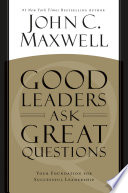
At the heart of effective leadership lies the ability to ask the right questions. Questions are not merely tools for gathering information; they are instruments for fostering deeper conversations, encouraging reflection, and driving engagement within teams. Leaders who master the art of questioning can unlock the potential of their team members by prompting them to think critically and creatively. This approach not only enhances decision-making but also builds a culture of collaboration and trust. The book emphasizes that the quality of questions often determines the quality of answers, and thus, leaders must be intentional about the questions they pose.
Continue readingEffective leadership is as much about listening as it is about asking questions. The book highlights that leaders who actively listen create an environment where team members feel valued and understood. Listening goes beyond hearing words; it involves paying attention to non-verbal cues and understanding the emotions behind the message. By fostering a culture of open dialogue, leaders can cultivate trust and loyalty among their teams. This idea underscores the importance of empathy in leadership, as it allows leaders to connect with their team members on a deeper level, enhancing overall team dynamics.
Continue readingA curious organization is one that thrives on innovation and adaptability. The book discusses how leaders can instill a culture of curiosity by encouraging team members to ask questions and explore new ideas. This culture not only drives creativity but also helps organizations stay ahead in a rapidly changing business landscape. Leaders can model curiosity by being open to feedback and willing to explore diverse perspectives. By promoting an environment where questioning is welcomed, leaders can empower their teams to take initiative and contribute to continuous improvement.
Continue readingThe book posits that questions can serve as powerful catalysts for personal and professional growth. Leaders can use questions to guide their teams through challenges, encouraging them to reflect on their experiences and learn from them. This approach fosters a growth mindset, where failures are seen as opportunities for learning rather than setbacks. By framing challenges as questions, leaders can help their teams navigate obstacles with resilience and creativity. This idea reinforces the notion that growth is a continuous journey, and asking the right questions is a key part of that process.
Continue readingOne of the most impactful roles of a leader is to empower others. The book emphasizes that asking empowering questions can help team members take ownership of their work and develop their problem-solving skills. By shifting the focus from providing answers to facilitating discussions, leaders can encourage autonomy and accountability within their teams. This empowerment not only boosts morale but also enhances productivity, as team members feel more invested in their roles. The idea is that when leaders ask the right questions, they enable their teams to discover solutions and drive results.
Continue readingDecision-making is a critical aspect of leadership, and the book highlights how questions can play a pivotal role in this process. Leaders are encouraged to ask questions that challenge assumptions and explore different viewpoints. This approach leads to more informed and balanced decisions, as it encourages thorough analysis and consideration of potential outcomes. By fostering an environment where questioning is part of the decision-making process, leaders can mitigate risks and enhance the quality of their choices. This idea reinforces the importance of critical thinking in leadership.
Continue readingEngagement is essential for team performance, and the book discusses how leaders can sustain engagement through inquiry. By regularly asking questions that invite participation and input, leaders can keep their teams motivated and involved in the decision-making process. This ongoing dialogue fosters a sense of belonging and commitment among team members, which is crucial for maintaining high levels of engagement. The idea is that when team members feel their voices are heard and valued, they are more likely to contribute actively and passionately to the organization's goals.
Continue readingThe reading time for Good Leaders Ask Great Questions depends on the reader's pace. However, this concise book summary covers the 7 key ideas from Good Leaders Ask Great Questions, allowing you to quickly understand the main concepts, insights, and practical applications in around 22 min.
Good Leaders Ask Great Questions is definitely worth reading. The book covers essential topics including The Power of Questions, Listening as a Leadership Skill, Creating a Culture of Curiosity, providing practical insights and actionable advice. Whether you read the full book or our concise summary, Good Leaders Ask Great Questions delivers valuable knowledge that can help you improve your understanding and apply these concepts in your personal or professional life.
Good Leaders Ask Great Questions was written by John C. Maxwell.
If you enjoyed Good Leaders Ask Great Questions by John C. Maxwell and want to explore similar topics or deepen your understanding, we highly recommend these related book summaries:
These books cover related themes, complementary concepts, and will help you build upon the knowledge gained from Good Leaders Ask Great Questions. Each of these summaries provides concise insights that can further enhance your understanding and practical application of the ideas presented in Good Leaders Ask Great Questions.