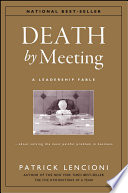
Book cover Death by Meeting

Death by Meeting

Patrick M. Lencioni

A Leadership Fable...About Solving the Most Painful Problem in Business

18 min

Summary

In 'Death by Meeting,' Patrick Lencioni addresses a pervasive issue in the corporate world: the ineffectiveness of meetings. He argues that many meetings fail to engage participants and produce actionable outcomes, resul...

Continue reading
In 'Death by Meeting,' Patrick Lencioni addresses a pervasive issue in the corporate world: the ineffectiveness of meetings. He argues that many meetings fail to engage participants and produce actionable outcomes, resulting in wasted time and frustration. Lencioni identifies four types of meetings that organizations typically conduct: daily check-ins, weekly tactical meetings, monthly strategic meetings, and quarterly off-site reviews. Each type has a distinct purpose and requires a tailored approach to ensure productivity.

Central to Lencioni's argument is the necessity of a well-structured meeting agenda. A clear agenda not only keeps discussions focused but also prepares participants for meaningful contributions. Engaging all participants in the conversation is also critical, as disengagement leads to unproductive discussions. Lencioni encourages leaders to create an environment where healthy conflict is welcomed, as differing opinions can lead to better decision-making and innovative solutions.

Moreover, Lencioni emphasizes the importance of follow-up on action items and decisions made during meetings. Without follow-up, discussions can become meaningless, and progress stalls. Leaders must take the time to review action items and establish accountability to ensure that meetings yield tangible results. Ultimately, Lencioni calls for a cultural shift within organizations regarding meetings, advocating for a commitment to effective practices that transform meetings from a dreaded obligation into valuable opportunities for collaboration and innovation.

By implementing the strategies outlined in the book, organizations can create a meeting culture that fosters engagement, accountability, and productivity. Lencioni's insights provide a roadmap for leaders looking to enhance their meeting practices and drive better outcomes for their teams. Show less

The Inefficiency of Traditional Meetings

Meetings are often seen as a necessary evil in the business world, but they are frequently inefficient and unproductive. Patrick Lencioni argues that traditional meetings lack structure and purpose, leading to wasted tim...

Continue reading
In the realm of organizational dynamics, meetings have become a ubiquitous element, often regarded as a necessary component of collaboration and decision-making. However, a critical examination reveals that many of these gatherings fall short of their intended purpose, leading to a considerable waste of time and resources. The assertion is made that traditional meetings frequently lack both structure and clarity of purpose, which can result in a disorganized and unproductive environment.

One of the primary issues with conventional meetings is that they tend to be poorly planned. This lack of preparation manifests in various ways, such as unclear agendas, undefined objectives, and insufficient time management. When participants arrive without a clear understanding of what is to be discussed or achieved, it creates an environment ripe for confusion and disengagement. Team members often find themselves sitting through lengthy discussions that meander without resolution, leaving them frustrated and unmotivated. This disengagement can lead to a culture where meetings are viewed as a burden rather than a valuable opportunity for collaboration.

Moreover, the absence of actionable outcomes is a significant concern. Meetings should ideally result in specific decisions, assigned tasks, or clear next steps. However, when discussions are not directed towards tangible goals, they can devolve into unproductive exchanges that do not advance the team's objectives. This lack of focus not only diminishes the effectiveness of the meeting but also contributes to a broader sense of disillusionment among team members regarding the utility of such gatherings.

To counteract these inefficiencies, it is suggested that organizations take a step back and critically evaluate their approach to meetings. This involves a fundamental shift in mindset, recognizing that meetings should not merely be a routine activity but a strategic tool to foster engagement and drive results. By establishing clear purposes for each meeting, teams can ensure that discussions are relevant and aligned with organizational goals. Setting specific agendas and desired outcomes can help keep participants focused and accountable, ultimately leading to more productive interactions.

Additionally, fostering an engaging meeting culture requires the inclusion of diverse perspectives and active participation from all team members. Encouraging open dialogue and collaboration can transform meetings from monotonous obligations into dynamic forums for innovation and problem-solving. By prioritizing the quality of interactions over the quantity of meetings, organizations can cultivate a more effective and satisfying meeting experience.

In summary, traditional meetings often fall short due to their lack of structure, poor planning, and failure to yield actionable outcomes. By reevaluating the purpose and execution of meetings, organizations can work towards creating a culture that values effective communication and collaboration, ultimately enhancing productivity and team morale. Show less

The Four Types of Meetings

Lencioni identifies four distinct types of meetings that organizations typically hold: the daily check-in, the weekly tactical, the monthly strategic, and the quarterly off-site review. Each type serves a different purpo...

Continue reading
In many organizations, meetings can often become a source of frustration, inefficiency, and disengagement. However, a structured approach to meetings can transform them into powerful tools for communication and decision-making. A key aspect of this approach is recognizing that not all meetings are created equal; they serve different purposes and should be designed accordingly.

The first type of meeting is the daily check-in. This meeting is typically short, often lasting no more than 15 minutes, and is designed to provide team members with an opportunity to share immediate updates, clarify daily tasks, and address any urgent issues that may have arisen. The focus here is on maintaining momentum and ensuring that everyone is aligned on their daily responsibilities. This type of meeting fosters a sense of accountability and helps team members stay connected, allowing for quick adjustments to be made in response to changing circumstances.

Next, we have the weekly tactical meeting. This meeting usually spans a longer duration, perhaps an hour or so, and is centered around short-term goals and operational matters. The weekly tactical meeting serves as a platform for teams to discuss progress on ongoing projects, troubleshoot challenges, and align on priorities for the week ahead. This is where teams can engage in problem-solving discussions, evaluate performance metrics, and make necessary adjustments to their strategies. It is crucial for keeping teams focused on immediate objectives while also ensuring that everyone is on the same page regarding project timelines and deliverables.

The monthly strategic meeting takes a broader perspective. Unlike the more operational focus of the daily and weekly meetings, the monthly strategic meeting is dedicated to long-term objectives and the overall direction of the organization. This meeting allows leaders to step back from day-to-day operations and evaluate the bigger picture. It is an opportunity to assess progress towards strategic goals, review market trends, and consider potential shifts in strategy based on new information. This type of meeting encourages deeper discussions and critical thinking, as it involves analyzing data, discussing insights, and making informed decisions that will impact the organization’s future.

Finally, the quarterly off-site review provides a comprehensive evaluation of the organization’s performance and strategic direction. This meeting typically takes place away from the usual work environment to foster creativity and open dialogue. It is a time for leaders to reflect on the past quarter, celebrate successes, identify areas for improvement, and recalibrate strategies as necessary. The off-site nature of this meeting allows for an immersive experience where participants can engage in candid discussions, brainstorm innovative ideas, and align on the vision moving forward.

By understanding these four distinct types of meetings, organizations can tailor their approach to ensure that each meeting serves its intended purpose effectively. This tailored approach not only enhances productivity but also promotes a culture of accountability and engagement among team members. Each meeting type contributes to a cohesive organizational strategy, enabling teams to operate more efficiently and effectively in pursuit of their goals. Show less

Creating a Meeting Agenda

A well-structured agenda is critical for a productive meeting. Lencioni emphasizes the importance of having a clear agenda that outlines the topics to be discussed, the time allocated for each item, and the desired outco...

Continue reading
A well-structured agenda is a fundamental component of any productive meeting, serving as a roadmap that guides participants through the discussion. The significance of having a clear agenda cannot be overstated, as it provides a framework that outlines the specific topics to be addressed, the time allocated for each item, and the desired outcomes for the meeting. This structured approach is crucial because it helps to maintain focus, ensuring that discussions remain relevant and on track.

When an agenda is thoughtfully crafted, it allows participants to understand the purpose of the meeting and what is expected of them. By delineating the topics and the time dedicated to each, attendees can prepare in advance, reflecting on the issues at hand and formulating their thoughts and contributions. This preparation fosters engagement, as individuals come equipped with insights and questions, ready to participate actively rather than passively absorbing information.

Moreover, a focused agenda acts as a safeguard against the tendency for meetings to devolve into unproductive tangents. Without a clear direction, discussions can easily stray off-topic, leading to a waste of time and resources. An agenda helps to mitigate this risk by providing a structured outline that keeps conversations aligned with the meeting's objectives. It serves as a reminder to steer discussions back to the core issues if they begin to drift.

In addition to its role in maintaining focus, distributing the agenda in advance is a practice that enhances the overall effectiveness of the meeting. When participants receive the agenda prior to the meeting, they have the opportunity to digest the information, conduct any necessary research, and come prepared with their perspectives. This pre-meeting preparation not only enriches the discussion but also empowers individuals to contribute meaningfully, as they are more likely to engage with the material when they have had time to reflect on it.

Furthermore, a well-structured agenda can facilitate better time management during the meeting. By allocating specific time slots for each topic, the meeting leader can monitor progress and ensure that discussions do not exceed their allotted time. This discipline helps to respect participants' time and encourages a more efficient use of the meeting period.

Ultimately, a well-crafted agenda is more than just a list of topics; it is a strategic tool that enhances the quality of meetings. It fosters preparation, engagement, and productivity while minimizing the risk of aimless discussions. By prioritizing the creation and distribution of a clear agenda, teams can transform their meetings from potentially unproductive gatherings into focused, goal-oriented discussions that drive results and foster collaboration. Show less

Engaging Participants in Meetings

One of the key issues with meetings is that participants often disengage, leading to unproductive discussions. Lencioni stresses the importance of engaging all participants in the conversation. This can be achieved by en...

Continue reading
One of the prevalent challenges in the context of meetings is the tendency for participants to become disengaged, which often results in discussions that lack productivity and clarity. This disengagement can stem from various factors, including a lack of interest in the topics being discussed, feelings of intimidation that prevent individuals from contributing, or simply the monotony of traditional meeting formats that fail to capture attention. The emphasis on engaging all participants is crucial to counteracting these issues and transforming meetings into effective collaborative sessions.

To foster engagement, it is essential to encourage open dialogue among participants. Leaders should create an atmosphere where individuals feel safe and empowered to voice their thoughts and opinions without fear of judgment or retribution. This can be achieved by actively inviting input from everyone in the room, rather than allowing a few dominant voices to steer the conversation. Techniques such as round-robin discussions can be particularly effective, as they ensure that each participant has the opportunity to speak in turn. This method not only gives everyone a chance to share their insights but also helps to level the playing field, allowing quieter members to contribute meaningfully.

Engaging participants in this manner does more than just fill the silence; it fosters a sense of ownership and accountability among team members. When individuals feel that their contributions are valued and that they have a stake in the outcomes of discussions, they are more likely to invest their time and energy into the meeting. This sense of ownership can lead to increased motivation and a stronger commitment to the decisions made during the meeting, ultimately driving better results.

Moreover, engaging a diverse range of perspectives is vital for effective decision-making. When all participants are encouraged to share their viewpoints, the group benefits from a broader spectrum of ideas and solutions. This diversity of thought can lead to more innovative approaches to problems and a richer understanding of the challenges at hand. Leaders are encouraged to actively seek out differing opinions and to facilitate conversations that explore various angles of an issue. This not only enhances the quality of the discussion but also helps to build a culture of collaboration and mutual respect within the team.

In summary, the key to transforming meetings from unproductive gatherings into dynamic forums for discussion lies in the active engagement of all participants. By fostering an environment that encourages open dialogue, utilizing inclusive techniques, and valuing diverse perspectives, leaders can create meetings that are not only more effective but also more enjoyable for everyone involved. This approach ultimately leads to better decision-making and a more cohesive team dynamic. Show less

The Role of Conflict in Meetings

Lencioni highlights that healthy conflict is essential for effective meetings. Many leaders shy away from conflict, fearing it will lead to discord within the team. However, constructive conflict can lead to better decis...

Continue reading
In the context of effective meetings, the concept of conflict plays a crucial role in fostering a productive environment. The idea presented emphasizes that not all conflict is detrimental; rather, healthy conflict is a vital component of successful team interactions. Many leaders and team members often have a natural aversion to conflict, fearing that it may escalate tensions or lead to a breakdown in relationships. This fear can stifle open communication and inhibit the sharing of diverse perspectives, which are essential for innovation and problem-solving.

Constructive conflict, as described, refers to disagreements or debates that are approached with a mindset geared toward collaboration and understanding, rather than hostility or personal attacks. This type of conflict encourages team members to express their differing opinions and challenge each other’s ideas in a respectful manner. By doing so, teams can uncover underlying assumptions and explore various viewpoints, which can lead to a more thorough examination of issues at hand.

Creating a safe space for discussion is pivotal in this process. When team members feel secure in expressing their thoughts without fear of judgment or reprisal, they are more likely to engage in open dialogue. This environment fosters trust and encourages individuals to voice their concerns, ideas, and critiques. As a result, the team is able to delve deeper into the subject matter and consider alternative solutions that may not have been initially apparent.

The process of embracing healthy conflict can significantly enhance the quality of discussions during meetings. Instead of merely reaching a superficial consensus, teams that engage in constructive debates can arrive at decisions that reflect a comprehensive evaluation of all ideas presented. This leads to more innovative solutions, as the best ideas are often the result of rigorous discussion and the synthesis of various perspectives.

Furthermore, engaging in healthy conflict can strengthen team dynamics. As team members navigate through disagreements and arrive at resolutions, they build stronger relationships and a sense of camaraderie. This collaborative spirit fosters a culture of accountability and mutual respect, which is essential for long-term success and cohesion within the team.

Ultimately, the encouragement of healthy conflict transforms meetings from mundane gatherings into dynamic forums for creativity and strategic thinking. By reframing conflict as a necessary and beneficial aspect of teamwork, organizations can leverage the collective intelligence of their teams, leading to improved decision-making and enhanced overall performance. Show less

The Importance of Follow-Up

A common pitfall in meetings is the lack of follow-up on action items and decisions made. Lencioni stresses that effective meetings must include a clear plan for follow-up, ensuring that tasks are assigned, deadlines are...

Continue reading
In the context of effective meetings, the significance of follow-up cannot be overstated, as it serves as the crucial bridge between discussion and action. A prevalent issue that many organizations face is the tendency for meetings to devolve into mere talk sessions, where ideas are exchanged but not acted upon. This often leads to frustration among team members, as they may feel that their time has been wasted. To combat this, it is essential to establish a robust follow-up mechanism that ensures the outcomes of meetings are not only recorded but also acted upon in a timely manner.

Effective meetings should culminate in a clear and actionable plan that delineates specific tasks, assigns responsibilities, and sets deadlines. This process begins with leaders taking the initiative to summarize the key points discussed and the decisions made during the meeting. By doing so, they create a clear record that can be referenced later, thereby enhancing accountability among team members. During this summary, it is vital to identify who is responsible for each action item, as this fosters a sense of ownership and commitment to the tasks at hand.

Moreover, establishing deadlines is equally important, as it provides a time frame within which the assigned tasks must be completed. This not only creates a sense of urgency but also enables the team to prioritize their work effectively. Without deadlines, tasks may languish indefinitely, leading to a lack of progress and momentum. Therefore, leaders should encourage their team members to set realistic yet challenging deadlines that push them to achieve results while still being manageable.

In addition to assigning tasks and setting deadlines, accountability plays a pivotal role in ensuring that the follow-up process is effective. Leaders must cultivate an environment where team members feel responsible for their commitments and understand the importance of delivering on their promises. This can be achieved by regularly checking in on progress, discussing any obstacles that may have arisen, and providing support where needed. By maintaining open lines of communication, leaders can help their teams stay focused and motivated to complete their tasks.

At the conclusion of each meeting, taking the time to review action items and confirm responsibilities not only reinforces the importance of follow-up but also serves as a reminder of the meeting's objectives. This practice can transform the way meetings are perceived within an organization, shifting the focus from mere discussion to actionable outcomes. When team members see that their contributions lead to real results, they are more likely to engage actively in future meetings, knowing that their input is valued and that their efforts will have a tangible impact.

Ultimately, the lack of follow-up can lead to stagnation, where discussions remain abstract and disconnected from real-world applications. By implementing a structured approach to follow-up, organizations can ensure that meetings are not just a routine exercise, but rather a powerful tool for driving progress and achieving strategic goals. By emphasizing the importance of follow-up, leaders can foster a culture of accountability, engagement, and continuous improvement within their teams, paving the way for greater success and innovation. Show less

Transforming Meeting Culture

Ultimately, Lencioni advocates for a cultural shift within organizations regarding how meetings are perceived and conducted. This transformation requires a commitment from leadership to prioritize effective meetings and ...

Continue reading
The notion of transforming meeting culture within organizations is pivotal to enhancing overall productivity and engagement among team members. This transformation is not merely about scheduling meetings more effectively; it requires a fundamental shift in how meetings are perceived, organized, and executed. At the core of this cultural shift is the recognition that meetings, when conducted properly, can serve as a powerful catalyst for collaboration, creativity, and decisive action.

To initiate this transformation, it is essential for leadership to take the reins. Leaders must not only endorse the idea of effective meetings but also embody the principles of good meeting practices themselves. This means that they should model behaviors such as setting clear agendas, encouraging participation, and valuing the time of all attendees. When leaders demonstrate a commitment to conducting meaningful meetings, it sets a precedent for the rest of the organization, fostering an environment where meetings are seen as opportunities rather than burdens.

Organizations also need to invest in training and resources aimed at improving meeting practices. This can include workshops on effective communication, decision-making frameworks, and techniques for facilitating discussions. By providing teams with the tools they need to conduct productive meetings, organizations empower their employees to take ownership of the meeting process. This empowerment can lead to a culture where team members feel more engaged and motivated to contribute, knowing that their input is valued and that meetings are designed to foster collaboration.

Moreover, it is crucial to shift the narrative around meetings from viewing them as obligatory gatherings to recognizing them as essential touchpoints for engagement and strategic alignment. This involves reimagining the purpose of meetings, focusing on specific outcomes, and ensuring that every meeting has a clear objective. By doing so, organizations can cultivate a mindset where meetings are anticipated as valuable opportunities for dialogue, brainstorming, and problem-solving.

In addition to redefining the purpose of meetings, organizations should also embrace the concept of variety in meeting formats. Different types of meetings serve different purposes, and it is essential to tailor the format to the specific needs of the team and the objectives of the gathering. For instance, some meetings may benefit from a more structured approach, while others may thrive in a more informal setting that encourages open discussion. By diversifying meeting styles, organizations can keep engagement levels high and cater to the varying preferences of team members.

Finally, it is essential to establish a feedback loop regarding meetings. Organizations should encourage participants to share their thoughts on what works and what doesn’t in the meeting process. This feedback can be invaluable for continuous improvement, allowing teams to refine their practices and adapt to changing needs over time. By fostering an environment where feedback is welcomed and acted upon, organizations can ensure that their meeting culture evolves and remains aligned with their goals and values.

In summary, transforming meeting culture involves a comprehensive approach that includes leadership commitment, training, redefined purposes, varied formats, and a robust feedback mechanism. By prioritizing effective meetings, organizations can unlock the full potential of collaboration and innovation, ultimately leading to better decision-making and a more engaged workforce. Show less

Who Should Read This Book?

This book is ideal for business leaders, managers, team facilitators, and anyone involved in organizing or participating in meetings. It is particularly beneficial for those who feel that their meetings are unproductive or are seeking to improve team dynamics and decision-making processes.

Summaries like Death by Meeting

Boring Meetings Suck
Jon Petz
Get More Out of Your Meetings, or Get Out of More Meetings
17 min
How to Fix Meetings
Graham Allcott, Hayley Watts
Meet Less, Focus on Outcomes and Get Stuff Done
20 min
No More Pointless Meetings
Martin Murphy
Breakthrough Sessions That Will Revolutionize the Way You Work
18 min
When Bad Teams Happen to Good People
Valerie Patrick
Your Complete Repair Guide for Successful Teamwork
22 min
Leading from Anywhere
David Burkus
The Essential Guide to Managing Remote Teams
21 min
High Output Management
Andrew S. Grove
22 min
Making Things Happen
Scott Berkun
Mastering Project Management
21 min
Build Like It's the End of the World
Patrick Chopson, Sandeep Ahuja
A Practical Guide to Decarbonize Architecture, Engineering, and Construction
18 min
Radical Collaboration
James W. Tamm, Ronald J. Luyet
Five Essential Skills to Overcome Defensiveness and Build Successful Relationships
21 min
Build for Change
Alan Trefler
Revolutionizing Customer Engagement through Continuous Digital Innovation
23 min
Hard Facts, Dangerous Half-truths, and Total Nonsense
Jeffrey Pfeffer, Robert I. Sutton
Profiting from Evidence-based Management
18 min
The 4 Disciplines of Execution
Chris McChesney, Jim Huling, Sean Covey
Achieving Your Wildly Important Goals
19 min
A Minute to Think
Juliet Funt
Reclaim Creativity, Conquer Busyness, and Do Your Best Work
19 min
The Outward Mindset
The Arbinger Institute
How to Change Lives and Transform Organizations
19 min
Hope Is Not a Strategy
Christian Underwood, Jürgen Weigand
StrategyFrame®: The smart way to make strategy work
23 min

About the Author

Patrick M. Lencioni

Patrick M. Lencioni is an American author, speaker, and consultant known for his work in the field of organizational health and leadership. He is the founder and president of The Table Group, a consulting firm that specializes in helping organizations improve their teamwork and overall effectiveness. Lencioni is widely recognized for his ability to distill complex business concepts into practical, actionable insights.

He is the author of several best-selling books, including "The Five Dysfunctions of a Team," which has become a staple in leadership training and development. His writings often focus on themes such as teamwork, organizational culture, and leadership effectiveness. Lencioni's engaging storytelling style and relatable business fables have resonated with a broad audience, making his work popular among both business leaders and aspiring professionals.

In addition to his writing, Lencioni is a sought-after speaker and has delivered presentations to various organizations, sharing his expertise on building cohesive teams and fostering a healthy workplace culture. His contributions to the field of business management have made him a prominent figure in discussions about organizational dynamics and leadership strategies.

Lencioni's insights have been featured in numerous publications, and he is often invited to share his perspectives on leadership and teamwork in various media outlets. Through his work, he continues to influence how organizations approach team dynamics and leadership development.

Death by Meeting FAQs

How long does it take to read Death by Meeting?

The reading time for Death by Meeting depends on the reader's pace. However, this concise book summary covers the 7 key ideas from Death by Meeting, allowing you to quickly understand the main concepts, insights, and practical applications in around 18 min.

Is Death by Meeting a good book? Is it worth reading?

Death by Meeting is definitely worth reading. The book covers essential topics including The Inefficiency of Traditional Meetings, The Four Types of Meetings, Creating a Meeting Agenda, providing practical insights and actionable advice. Whether you read the full book or our concise summary, Death by Meeting delivers valuable knowledge that can help you improve your understanding and apply these concepts in your personal or professional life.

Who is the author of Death by Meeting?

Death by Meeting was written by Patrick M. Lencioni.

What to read after Death by Meeting?

If you enjoyed Death by Meeting by Patrick M. Lencioni and want to explore similar topics or deepen your understanding, we highly recommend these related book summaries:

  • Boring Meetings Suck by Jon Petz
  • How to Fix Meetings by Graham Allcott, Hayley Watts
  • No More Pointless Meetings by Martin Murphy
  • When Bad Teams Happen to Good People by Valerie Patrick
  • Leading from Anywhere by David Burkus

These books cover related themes, complementary concepts, and will help you build upon the knowledge gained from Death by Meeting. Each of these summaries provides concise insights that can further enhance your understanding and practical application of the ideas presented in Death by Meeting.