The foundation of a successful business begins with understanding what you are passionate about and how it aligns with a market need. The book emphasizes the importance of self-reflection and exploration in identifying your strengths and interests. Young entrepreneurs are encouraged to ask themselves critical questions about what excites them and how they can turn that enthusiasm into a viable business idea. By aligning personal passions with market demands, entrepreneurs can create businesses that are not only profitable but also fulfilling. This alignment helps sustain motivation through challenges and fosters resilience, which is crucial in the entrepreneurial journey.
Continue readingBefore launching a business, thorough market research is essential. This idea focuses on understanding your target audience, their needs, and the competitive landscape. The book guides young entrepreneurs on how to conduct surveys, interviews, and focus groups to gather insights. It also highlights the importance of validating business ideas before investing significant time and resources. By testing concepts with potential customers, entrepreneurs can refine their offerings and increase the chances of success. Effective market research not only aids in product development but also helps in crafting marketing strategies that resonate with the audience.
Continue readingA well-structured business plan acts as a roadmap for any entrepreneurial venture. The book outlines the components of a solid business plan, including an executive summary, market analysis, organizational structure, marketing strategies, and financial projections. Young entrepreneurs are encouraged to take the time to create a comprehensive plan that clarifies their vision and strategy. This plan is not only useful for guiding the business but also for attracting potential investors or partners. The process of writing a business plan forces entrepreneurs to think critically about their business model and the steps needed to achieve their goals.
Continue readingUnderstanding finances is critical for any entrepreneur. The book emphasizes the importance of financial literacy, covering topics such as budgeting, cash flow management, and funding options. Young entrepreneurs are taught how to create a budget that aligns with their business goals and to track expenses meticulously. This knowledge helps in making informed decisions, avoiding debt, and ensuring the sustainability of the business. Furthermore, the book discusses various funding sources, including loans, grants, and investors, providing insights on how to approach each option strategically.
Continue readingEffective marketing and branding are pivotal to attracting and retaining customers. The book provides strategies for building a brand identity that resonates with the target audience. It covers various marketing channels, including social media, email marketing, and traditional advertising, guiding young entrepreneurs on how to create a cohesive marketing strategy. The importance of storytelling in branding is also highlighted, as it helps create emotional connections with customers. By understanding their audience and leveraging different marketing avenues, entrepreneurs can effectively promote their products or services.
Continue readingNetworking is a crucial skill for any entrepreneur. The book discusses the significance of building relationships with mentors, peers, and industry professionals. Young entrepreneurs are encouraged to attend networking events, join entrepreneurial organizations, and seek out mentorship opportunities. Building a strong network can provide valuable insights, support, and potential partnerships. The book also emphasizes the importance of maintaining these relationships through consistent communication and collaboration, which can lead to new opportunities and growth.
Continue readingFailure is often a part of the entrepreneurial journey, and the book encourages young entrepreneurs to embrace it as a learning opportunity. It discusses the importance of resilience and adaptability in overcoming challenges. By analyzing failures and understanding what went wrong, entrepreneurs can make necessary adjustments and improve their strategies. The mindset of viewing setbacks as stepping stones rather than obstacles is crucial for long-term success. This idea fosters a culture of innovation and encourages entrepreneurs to take calculated risks without the fear of failure.
Continue readingThe reading time for The Young Entrepreneur's Guide to Starting and Running a Business depends on the reader's pace. However, this concise book summary covers the 7 key ideas from The Young Entrepreneur's Guide to Starting and Running a Business, allowing you to quickly understand the main concepts, insights, and practical applications in around 23 min.
The Young Entrepreneur's Guide to Starting and Running a Business is definitely worth reading. The book covers essential topics including Identifying Your Passion and Purpose, Market Research and Validation, Creating a Business Plan, providing practical insights and actionable advice. Whether you read the full book or our concise summary, The Young Entrepreneur's Guide to Starting and Running a Business delivers valuable knowledge that can help you improve your understanding and apply these concepts in your personal or professional life.
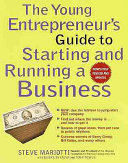
The Young Entrepreneur's Guide to Starting and Running a Business was written by Steve Mariotti.
If you enjoyed The Young Entrepreneur's Guide to Starting and Running a Business by Steve Mariotti and want to explore similar topics or deepen your understanding, we highly recommend these related book summaries:
These books cover related themes, complementary concepts, and will help you build upon the knowledge gained from The Young Entrepreneur's Guide to Starting and Running a Business. Each of these summaries provides concise insights that can further enhance your understanding and practical application of the ideas presented in The Young Entrepreneur's Guide to Starting and Running a Business.