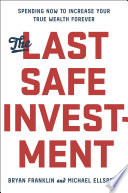
Book cover The Last Safe Investment
Select an audio
0:00
Intro - The Last Safe Investment --:--
1. Invest in Yourself --:--
2. The Importance of Mindset --:--
3. Building a Personal Brand --:--
4. Diversifying Your Skills --:--
5. Networking and Relationships --:--
6. Financial Literacy and Investment Knowledge --:--
7. Embracing Failure as a Learning Tool --:--

The Last Safe Investment

Bryan Franklin, Michael Ellsberg

Spending Now to Increase Your True Wealth Forever

24 min
Summary

The Last Safe Investment is a transformative guide that redefines how individuals should approach investment, not only in terms of financial assets but also in personal development. The authors argue that the most secure and rewarding investment one can make is in oneself, emphasizing the importance of education, skill diversification, and personal branding. Throughout the book, they explore the various dimensions of investing in oneself, including the cultivation of a growth mindset, the significance of networking, and the need for financial literacy. Each of these components is presented as vital for navigating the modern economy, where traditional investment avenues may be fraught with uncertainty.

The book begins by establishing the premise that conventional investments can be risky and volatile. In contrast, investing in personal development yields a more stable return, as it directly enhances one’s employability and earning potential. The authors urge readers to prioritize lifelong learning, encouraging them to seek out opportunities for growth and skill acquisition. This focus on self-investment is not merely about acquiring new knowledge but also about fostering a mindset that embraces change and challenges.

A significant portion of the book is dedicated to the idea of personal branding. The authors elucidate how a well-crafted personal brand can significantly impact career trajectories and opportunities. In an age where digital presence is paramount, they provide practical advice on how to build and manage one’s brand effectively, emphasizing authenticity and alignment with personal values and professional goals.

Networking is another critical theme explored in the book. The authors highlight the importance of cultivating genuine relationships within one’s professional network. They argue that networking should be approached with a mindset of collaboration and support, rather than mere transactional interactions. This perspective encourages readers to invest time and effort into building meaningful connections that can yield mutual benefits over time.

Furthermore, the book delves into the importance of financial literacy. While the focus is on self-investment, the authors stress that understanding personal finance and investment principles is crucial for making informed decisions. They provide insights into various investment options and strategies, empowering readers to take control of their financial futures.

The authors also address the inevitability of failure in the pursuit of success. They advocate for reframing failure as a learning opportunity rather than a setback. This mindset shift is essential for resilience and continuous improvement, allowing individuals to adapt and grow from their experiences.

In conclusion, 'The Last Safe Investment' serves as a comprehensive guide for anyone looking to navigate the complexities of personal and professional development in today’s economy. It challenges conventional notions of investment by placing the emphasis on self-improvement and lifelong learning. The actionable insights and strategies presented throughout the book equip readers with the tools needed to enhance their value in the marketplace and secure a more stable and fulfilling future.

Invest in Yourself

The core premise of 'The Last Safe Investment' is that the most reliable investment you can make is in yourself. This encompasses a wide array of aspects including education, skills, and personal development. The authors argue that traditional investment routes, such as stocks and real estate, can be volatile and unpredictable. In contrast, investing in your own abilities and knowledge provides a return that is often more stable and enduring. By enhancing your skills, you increase your value in the job market and your ability to generate income. This idea encourages readers to prioritize lifelong learning and self-improvement as a means to secure financial stability and personal fulfillment.

Continue reading
The concept of investing in oneself is presented as a foundational principle that transcends traditional financial investments. It emphasizes that the most dependable and rewarding investment strategy is to focus on personal growth and development. This notion encompasses several critical dimensions, including education, skill acquisition, and overall personal enhancement.

When discussing education, the idea is not limited to formal degrees or certifications. It extends to continuous learning through various channels such as online courses, workshops, seminars, and even self-directed learning through books and other resources. The authors highlight that the landscape of work and industry is constantly evolving, and staying relevant requires a commitment to ongoing education. By actively seeking knowledge, individuals can adapt to changes in their fields, making them more competitive and versatile.

Skill acquisition is another vital aspect of this investment strategy. The authors argue that specific skills can significantly increase an individual's marketability and earning potential. This includes both hard skills, such as technical abilities related to a specific profession, and soft skills, such as communication, leadership, and emotional intelligence. By honing these skills, individuals not only enhance their employability but also position themselves for career advancement and new opportunities.

Personal development is also a crucial element of this investment approach. This involves cultivating attributes such as resilience, adaptability, and a growth mindset. The authors suggest that investing time and effort into developing one's character and emotional well-being is just as important as acquiring technical skills. This holistic approach to self-improvement can lead to greater life satisfaction and fulfillment, which in turn can positively impact professional success.

The authors further argue that traditional investment avenues, such as stocks, bonds, or real estate, often come with inherent risks and uncertainties. Market fluctuations, economic downturns, and other external factors can lead to significant losses in these areas. In contrast, the investment in oneself is portrayed as a more stable and enduring choice. The knowledge and skills gained through personal investment are assets that cannot be taken away, and they tend to appreciate over time.

Moreover, the return on investment from self-improvement is often multifaceted. It can manifest as higher income, increased job security, and enhanced career opportunities. Beyond financial returns, investing in oneself can lead to greater self-confidence, improved relationships, and a deeper sense of purpose. The authors encourage readers to view their personal development as an ongoing journey, one that requires dedication and intentionality.

In summary, the idea of investing in oneself is presented as a comprehensive strategy for achieving financial stability and personal fulfillment. By prioritizing education, skill development, and personal growth, individuals can create a solid foundation for a successful and rewarding life. This approach not only prepares them for the challenges of the job market but also empowers them to navigate life's uncertainties with confidence and resilience.

The Importance of Mindset

The book emphasizes the significance of having the right mindset when it comes to investment and personal growth. A growth mindset, as opposed to a fixed mindset, allows individuals to embrace challenges, learn from failures, and seek out new opportunities. The authors suggest that a positive mindset can lead to better decision-making and a greater willingness to take calculated risks. This concept is crucial in the context of investments, as it influences how individuals perceive their potential for success and their ability to adapt to changing circumstances. By cultivating a growth mindset, readers can position themselves for greater achievements in both their personal and professional lives.

Continue reading
The book delves deeply into the concept of mindset, highlighting its critical role in shaping an individual’s approach to both investment and personal development. It contrasts two distinct types of mindsets: the growth mindset and the fixed mindset. A growth mindset is characterized by the belief that abilities and intelligence can be developed through dedication and hard work. This perspective fosters resilience and encourages individuals to view challenges as opportunities for learning rather than insurmountable obstacles. In contrast, a fixed mindset leads individuals to believe that their capabilities are static and unchangeable, which can result in avoidance of challenges and a fear of failure.

The authors argue that adopting a growth mindset is essential for successful investing. This mindset enables individuals to embrace uncertainty and volatility, which are inherent in the investment landscape. When faced with setbacks or losses, those with a growth mindset are more likely to analyze the situation, learn from their mistakes, and adjust their strategies accordingly. This adaptability is crucial in a world where market conditions can shift rapidly, and being able to pivot in response to new information or changing circumstances can significantly enhance one’s investment outcomes.

Moreover, the book emphasizes that a positive mindset not only influences decision-making but also impacts emotional resilience. Investors often experience a rollercoaster of emotions, from excitement during market upswings to anxiety during downturns. A growth mindset helps individuals manage these emotions more effectively, allowing them to maintain a long-term perspective rather than succumbing to short-term fears. This emotional stability is vital for making rational decisions based on analysis rather than being swayed by market sentiment.

The text also discusses the importance of continuous learning and self-improvement as part of a growth mindset. It encourages readers to seek knowledge and skills that can enhance their investment acumen. This might involve pursuing education in financial literacy, understanding market trends, or developing analytical skills. By committing to lifelong learning, individuals can better equip themselves to identify and seize new investment opportunities that align with their goals.

In addition to personal growth, the authors highlight how a growth mindset can foster collaboration and networking. Investors who are open to learning from others, sharing insights, and engaging with diverse perspectives can create a supportive community that enhances collective knowledge and success. This collaborative approach can lead to innovative strategies and shared opportunities that might not be accessible to those with a more isolated, fixed mindset.

Ultimately, the book posits that cultivating a growth mindset is not merely an abstract concept but a practical strategy that can lead to tangible results in both investments and personal development. By reshaping their perceptions of challenges, failures, and learning, individuals can unlock their potential and position themselves for lasting success in an ever-evolving landscape.

Building a Personal Brand

In the modern economy, personal branding has become an essential component of career development. The authors discuss how individuals can create and manage their personal brands to enhance their visibility and attractiveness to potential employers or clients. This includes leveraging social media, networking, and showcasing one’s skills and achievements. A strong personal brand can open doors to new opportunities and facilitate connections that are vital for career advancement. The book provides practical strategies for developing a personal brand that resonates with one’s professional goals and aligns with market demands.

Continue reading
In the contemporary landscape of career development, the concept of personal branding has emerged as a pivotal strategy for individuals seeking to distinguish themselves in a competitive job market. The discussion emphasizes that personal branding is not merely about self-promotion; rather, it is a comprehensive approach to managing one’s professional identity and reputation. This involves a thoughtful and strategic process of defining who you are, what you stand for, and how you wish to be perceived by others in your industry.

Creating a personal brand begins with self-reflection and understanding one’s unique value proposition. Individuals are encouraged to identify their strengths, skills, passions, and experiences that set them apart from others. This foundational knowledge serves as the bedrock upon which a personal brand is built. It is crucial for individuals to articulate their professional narrative clearly, as this narrative will guide their branding efforts and communications.

Leveraging social media platforms is a significant aspect of personal branding. The discussion highlights the importance of curating an online presence that accurately reflects one’s professional identity. This includes sharing relevant content, engaging with industry peers, and showcasing accomplishments through various digital channels. Social media can serve as a powerful tool for visibility, allowing individuals to connect with potential employers, clients, and collaborators. The authors stress that consistency in messaging and authenticity in interactions are key to building trust and credibility in the digital space.

Networking is another vital element in the realm of personal branding. The authors advocate for proactive engagement in professional communities, both online and offline. Attending industry events, joining professional organizations, and participating in discussions can create valuable connections that may lead to new opportunities. The emphasis is placed on building genuine relationships rather than superficial contacts, as meaningful connections often yield the most significant benefits in career advancement.

Showcasing skills and achievements is an integral part of establishing a strong personal brand. The authors suggest that individuals should actively seek opportunities to demonstrate their expertise, whether through public speaking, writing articles, or contributing to projects that highlight their capabilities. By doing so, individuals not only reinforce their brand but also position themselves as thought leaders in their respective fields.

Furthermore, the discussion includes the importance of aligning one’s personal brand with market demands. Individuals are encouraged to stay informed about industry trends and evolving skill requirements. This adaptability ensures that their personal brand remains relevant and appealing to potential employers or clients. The authors advocate for continuous learning and professional development as essential components of maintaining a robust personal brand.

In summary, the discourse around personal branding underscores its significance as a strategic tool for career development. By thoughtfully crafting and managing their personal brands, individuals can enhance their visibility, foster meaningful connections, and ultimately unlock new opportunities that align with their professional aspirations. The insights provided offer a roadmap for anyone looking to navigate the complexities of the modern job market and establish a compelling professional identity.

Diversifying Your Skills

The authors advocate for a diversified skill set as a means to remain competitive in an ever-evolving job market. They argue that relying on a single skill or area of expertise can be risky, especially as industries change and new technologies emerge. By acquiring a range of skills, individuals can adapt to various roles and industries, thereby increasing their employability and income potential. The book outlines methods for identifying complementary skills and provides guidance on how to pursue continuous education and training in multiple areas.

Continue reading
The concept of diversifying your skills is presented as a crucial strategy for thriving in today's dynamic and unpredictable job market. The authors emphasize that the traditional career path, which often involved a singular focus on one area of expertise, is becoming increasingly obsolete. As industries undergo rapid transformations due to technological advancements and shifting economic landscapes, the need for adaptability has never been more critical.

Relying solely on a single skill or specialization can be a precarious position. If that particular skill becomes less relevant or is rendered obsolete by new technologies, an individual may find themselves at a significant disadvantage, struggling to secure employment or maintain their income levels. Therefore, the authors advocate for a proactive approach to skill development, one that encourages individuals to broaden their horizons and embrace a multifaceted skill set.

In practical terms, diversifying skills means identifying and acquiring complementary abilities that can enhance one's primary area of expertise. For instance, a software developer might benefit from learning about user experience design, project management, or data analytics. By integrating these additional skills, the developer not only becomes more versatile but also more valuable to potential employers, who often seek candidates that can contribute in multiple ways.

The book provides various strategies for individuals looking to diversify their skill sets. It discusses the importance of continuous education and lifelong learning, highlighting that formal education is just one avenue for skill acquisition. Online courses, workshops, certifications, and even self-directed learning through books and practical projects are all valid methods for expanding one's capabilities. The authors encourage readers to take advantage of the wealth of resources available today, including online platforms that offer courses on a wide range of topics.

Additionally, the authors stress the importance of networking and collaboration in the skill diversification process. Engaging with professionals from different fields can provide insights into emerging trends and skills that are gaining importance in the marketplace. By participating in diverse communities and seeking mentorship, individuals can better understand which skills will be valuable in the future and how to acquire them effectively.

Ultimately, the message is clear: by diversifying skills, individuals can not only enhance their employability but also safeguard their career against the uncertainties of the future. This approach empowers individuals to navigate changes in their industries with confidence, ensuring that they remain relevant and competitive regardless of how the job market evolves.

Networking and Relationships

Networking is presented as a critical investment in one’s career and personal development. The authors explain that building and nurturing professional relationships can lead to valuable opportunities, insights, and collaborations. They emphasize the importance of genuine connections over superficial networking, advocating for a mindset of giving and supporting others in the community. The book offers actionable tips for effective networking, including how to approach conversations, follow up with contacts, and maintain long-term relationships that can benefit both parties.

Continue reading
Networking and relationships are positioned as fundamental pillars for success in both professional and personal realms. The text underscores that networking is not merely about collecting contacts or exchanging business cards; rather, it is about cultivating meaningful relationships that can yield mutual benefits over time. The authors argue that genuine connections are far more valuable than superficial interactions, as they foster trust, collaboration, and opportunities that can significantly impact one’s career trajectory.

To build these authentic relationships, the emphasis is placed on adopting a mindset that prioritizes giving and supporting others within one’s community. This approach involves actively seeking ways to help others achieve their goals, whether through sharing knowledge, providing introductions, or offering assistance in various forms. By focusing on the needs and successes of others, individuals can create a network that is not only expansive but also deeply rooted in reciprocity and trust.

The text provides practical strategies for effective networking that extend beyond initial meetings. For example, it encourages individuals to approach conversations with a genuine interest in the other person, asking questions that invite deeper dialogue rather than sticking to surface-level topics. This technique helps to establish a rapport that can lead to more meaningful interactions.

Following up after meetings is highlighted as a crucial step in maintaining these relationships. The authors suggest personalized follow-ups that reference specific points discussed during the initial conversation, demonstrating that one values the interaction and is invested in the relationship. This could involve sending a thoughtful email, sharing an article of interest, or simply checking in to see how a project is progressing.

Moreover, the importance of nurturing long-term relationships is emphasized. The text advocates for regular touchpoints, whether through occasional messages, invitations to events, or simply sharing updates about one’s own journey. By staying connected, individuals can ensure that their relationships remain vibrant and mutually beneficial, allowing both parties to leverage their networks for future opportunities.

In summary, the text presents networking as a strategic investment in one’s future. It encourages a shift from transactional interactions to a more holistic approach that values connection, support, and collaboration. By fostering genuine relationships and adopting a mindset of generosity, individuals can create a robust network that not only enhances their career prospects but also enriches their personal lives. This comprehensive understanding of networking as a dynamic and ongoing process is essential for anyone looking to navigate the complexities of professional growth and personal development.

Financial Literacy and Investment Knowledge

While the book emphasizes investing in oneself, it also addresses the importance of understanding financial literacy and investment strategies. The authors argue that knowledge about personal finance, investing principles, and market dynamics is crucial for making informed decisions. They encourage readers to educate themselves on various investment vehicles, risk management, and financial planning. This knowledge empowers individuals to make better choices regarding their financial futures, ensuring that they can navigate the complexities of the investment landscape with confidence.

Continue reading
The emphasis on financial literacy and investment knowledge serves as a cornerstone for personal empowerment in the realm of finance. The authors articulate that in a world where financial decisions can have profound implications on an individual's future, possessing a solid foundation of knowledge is not just beneficial but essential. They argue that understanding the basic principles of personal finance is akin to having a map in a complex terrain; it allows individuals to navigate through various financial options with clarity and purpose.

The discussion begins with the fundamental concepts of personal finance, which include budgeting, saving, and understanding credit. The authors stress that a firm grasp of these elements is critical for anyone looking to build a stable financial future. Budgeting, for instance, is portrayed not merely as a restrictive practice but as a powerful tool that enables individuals to allocate their resources effectively, prioritize their spending, and ultimately, save for future investments.

Moving beyond the basics, the text delves into the various investment vehicles available in the market. The authors categorize these vehicles into different types, such as stocks, bonds, mutual funds, and real estate, each with its own risk and return profile. They highlight the importance of understanding the characteristics of these investments, as well as how they fit into an individual's overall financial strategy. This comprehensive understanding allows investors to diversify their portfolios, which is a key strategy in managing risk and maximizing potential returns.

Risk management is another critical area of focus. The authors explain that every investment carries a certain level of risk, and understanding this risk is paramount. They encourage readers to assess their own risk tolerance and to consider factors such as market volatility, economic conditions, and personal circumstances when making investment decisions. This self-awareness helps individuals to craft a financial plan that aligns with their comfort levels and long-term goals.

Financial planning is presented as a holistic approach to managing one's financial life. The authors advocate for setting clear financial goals, whether they be short-term, like saving for a vacation, or long-term, such as retirement planning. They emphasize the importance of creating a strategic plan that encompasses all aspects of financial life, including income, expenses, investments, and savings. This strategic approach ensures that individuals are not merely reacting to financial situations as they arise but are proactively working toward their desired outcomes.

Furthermore, the authors highlight the significance of continuous education in the realm of finance. They stress that the financial landscape is ever-evolving, with new investment opportunities, technologies, and regulations emerging regularly. Staying informed about these changes is crucial for making sound investment decisions. They encourage readers to seek out resources such as books, courses, and financial advisors to enhance their understanding and keep their knowledge current.

In conclusion, the authors present financial literacy and investment knowledge as vital tools for anyone looking to secure their financial future. By investing time and effort into understanding personal finance, investment strategies, and market dynamics, individuals can empower themselves to make informed decisions. This empowerment not only enhances their ability to navigate the complexities of the investment landscape but also instills confidence in their financial choices, ultimately leading to a more secure and prosperous future.

Embracing Failure as a Learning Tool

The final key idea revolves around the notion of failure as an essential part of the growth process. The authors contend that setbacks and failures should not be viewed negatively; instead, they should be seen as opportunities for learning and improvement. By reframing failure in this way, individuals can develop resilience and a more robust approach to challenges. The book encourages readers to reflect on their experiences, extract lessons from their failures, and apply these insights to future endeavors, thereby fostering a culture of continuous improvement.

Continue reading
The concept of embracing failure as a learning tool is pivotal in fostering personal and professional growth. The authors argue that failure is not simply an unfortunate occurrence or a sign of incompetence; rather, it is an integral part of the journey toward success. This perspective encourages individuals to shift their mindset about failure, viewing it not as a dead end but as a stepping stone to greater understanding and achievement.

When individuals encounter setbacks, it is crucial to engage in reflective practices that allow them to analyze what went wrong and why. This reflective process involves asking critical questions about the circumstances surrounding the failure, the decisions made leading up to it, and the external factors that may have influenced the outcome. By dissecting these elements, individuals can extract valuable lessons that inform their future actions and strategies. This practice not only enhances self-awareness but also builds a framework for making more informed choices in the future.

Moreover, the authors emphasize the importance of resilience in the face of failure. Resilience is the capacity to recover quickly from difficulties, and it is cultivated through repeated exposure to challenges and the willingness to learn from them. By reframing failure as a learning opportunity, individuals can develop a mindset that is more adaptable and open to experimentation. This adaptability is essential in a rapidly changing world, where the ability to pivot and adjust strategies in response to new information or circumstances can be the difference between success and stagnation.

The book also highlights the significance of creating a culture that embraces failure, particularly within organizations. When teams are encouraged to view failures as collective learning experiences rather than personal shortcomings, it fosters an environment of trust and collaboration. In such a culture, team members feel safe to take risks, share their experiences, and support one another in the learning process. This collective approach not only accelerates innovation but also strengthens team dynamics, as individuals learn to rely on one another's insights and experiences.

In essence, the idea of embracing failure as a learning tool advocates for a paradigm shift in how we perceive setbacks. It calls for a proactive approach to learning, where individuals and organizations actively seek out lessons from their failures, applying these insights to enhance their future endeavors. By doing so, they cultivate a mindset of continuous improvement, resilience, and adaptability, which are essential attributes for navigating the complexities of life and work.

Who Should Read This Book?

This book is ideal for individuals seeking to enhance their personal and professional development. It is particularly relevant for young professionals, entrepreneurs, and anyone navigating career transitions. Those interested in improving their financial literacy, building a personal brand, or developing a growth mindset will find valuable insights within its pages.

Summaries like The Last Safe Investment

The Upside of Uncertainty
Nathan Furr
A Guide to Finding Possibility in the Unknown
19 min
The Little Book of Talent
Daniel Coyle
52 Tips for Improving Your Skills
18 min
Mind's Secrets to Unleash Limitless Living
Dhirendra Nalin Singh
An Ultimate Guide to Overcome Your Mental & Emotional Blockages & Heal Your Life to Live Happy, Joyful, Healthy and Successful life
19 min
A New Way to Think
Roger L. Martin
Your Guide to Superior Management Effectiveness
21 min
Successful and Set for Life
Les J. Tripp MBA
Get Everything You Want in Life, Work, and Relationships
21 min
No limits
Marcos Urarte, Maribel Salvador, Xesco Espar
22 min
Raise Your Game
Alan Stein Jr., Jon Sternfeld
High-Performance Secrets from the Best of the Best
21 min
Lucky Loser
Russ Buettner, Susanne Craig
How Donald Trump Squandered His Father's Fortune and Created the Illusion of Success
19 min
Millionaire Mission 2024
Roy R Joseph
Through a Simple, Step-by-step Method, this Book Teaches Smart Financial Decisions, Transforms Finances, and Helps Achieve Wealth Goals.
20 min
Adaptability
Max McKeown
The Art of Winning In An Age of Uncertainty
22 min
Do Big Things
Angela V. Paccione, Craig Ross, Victoria L. Roberts
The Simple Steps Teams Can Take to Mobilize Hearts and Minds, and Make an Epic Impact
22 min
Productive Failure
Manu Kapur
Unlocking Deeper Learning Through the Science of Failing
20 min

About the Authors

Bryan Franklin

Bryan Franklin is a recognized figure in the fields of business, technology, and personal development. He is known for his work as a consultant and coach, helping individuals and organizations enhance their performance and achieve their goals. Franklin has a background in entrepreneurship and has been involved in various ventures that focus on leadership and personal growth.

His approach often emphasizes the importance of aligning personal values with professional objectives, fostering a culture of authenticity and transparency within organizations. Franklin's insights have been sought after by business leaders and teams looking to improve their effectiveness and navigate the complexities of modern work environments.

In addition to his consulting work, Bryan Franklin has contributed to discussions on personal development through various platforms, sharing his expertise on topics such as communication, team dynamics, and the intersection of technology and human potential. His work often reflects a commitment to empowering individuals to realize their full capabilities and create meaningful impact in their professional and personal lives.

While specific details about his career milestones and achievements may not be widely documented, Franklin's influence in the realms of business and personal development continues to resonate with those seeking to enhance their leadership skills and personal effectiveness.

Michael Ellsberg

Michael Ellsberg is an author and speaker known for his work in the fields of personal development, entrepreneurship, and unconventional education. He gained recognition for his book "The Education of Millionaires," which challenges traditional views on higher education and advocates for self-directed learning and real-world experience as essential components of success in business and life.

Ellsberg's writing often explores themes related to personal empowerment, the importance of networking, and the value of experiential learning. He has contributed to various publications, sharing insights on topics such as entrepreneurship, career development, and the evolving landscape of education in the modern world.

In addition to his writing, Ellsberg is known for his engaging speaking style and has delivered talks at various events, where he emphasizes the importance of taking risks and pursuing one's passions. His work encourages individuals to rethink conventional paths and to embrace alternative routes to achieving their goals.

While specific details about his background and career may be limited, Ellsberg's contributions to discussions around education and personal growth continue to resonate with audiences seeking to navigate the complexities of the contemporary professional landscape.

The Last Safe Investment FAQs

How long does it take to read The Last Safe Investment?

The reading time for The Last Safe Investment depends on the reader's pace. However, this concise book summary covers the 7 key ideas from The Last Safe Investment, allowing you to quickly understand the main concepts, insights, and practical applications in around 24 min.

Is The Last Safe Investment a good book? Is it worth reading?

The Last Safe Investment is definitely worth reading. The book covers essential topics including Invest in Yourself, The Importance of Mindset, Building a Personal Brand, providing practical insights and actionable advice. Whether you read the full book or our concise summary, The Last Safe Investment delivers valuable knowledge that can help you improve your understanding and apply these concepts in your personal or professional life.

Who is the author of The Last Safe Investment?

The Last Safe Investment was written by Bryan Franklin, Michael Ellsberg.

What to read after The Last Safe Investment?

If you enjoyed The Last Safe Investment by Bryan Franklin, Michael Ellsberg and want to explore similar topics or deepen your understanding, we highly recommend these related book summaries:

  • How to Make a Few Billion Dollars by Brad Jacobs
  • The Upside of Uncertainty by Nathan Furr
  • The Little Book of Talent by Daniel Coyle
  • Mind's Secrets to Unleash Limitless Living by Dhirendra Nalin Singh
  • A New Way to Think by Roger L. Martin

These books cover related themes, complementary concepts, and will help you build upon the knowledge gained from The Last Safe Investment. Each of these summaries provides concise insights that can further enhance your understanding and practical application of the ideas presented in The Last Safe Investment.