Trust is the cornerstone of any successful advisory relationship. The authors emphasize that trust is built over time through consistent actions and behaviors. To build trust, professionals must demonstrate reliability, integrity, and competence. This means being honest about what you can deliver, following through on commitments, and being transparent about risks and challenges. Trust can also be cultivated by showing empathy and understanding the client's perspective. The book provides practical strategies for building trust, such as active listening, asking insightful questions, and providing value without expecting immediate returns.
Continue readingEffective listening is highlighted as a critical skill for trusted advisors. The authors argue that listening goes beyond merely hearing words; it involves understanding the underlying emotions and needs of clients. By practicing active listening, advisors can uncover valuable insights that inform their recommendations. The book suggests techniques such as paraphrasing, summarizing, and asking open-ended questions to enhance listening skills. By genuinely engaging with clients and demonstrating that their concerns are heard, advisors can foster deeper relationships and establish themselves as trusted partners.
Continue readingCreating value for clients is a central theme in the book. The authors assert that trusted advisors must focus on understanding clients' unique challenges and goals to deliver tailored solutions. This involves not only providing expertise but also identifying opportunities for innovation and improvement. The book outlines a framework for value creation that includes assessing client needs, aligning solutions with those needs, and measuring the impact of the advisor's contributions. By consistently delivering value, advisors can reinforce their status as trusted partners and differentiate themselves in a competitive market.
Continue readingEmotional intelligence (EI) is presented as a vital attribute for trusted advisors. The authors explain that EI encompasses self-awareness, self-regulation, motivation, empathy, and social skills. Advisors with high emotional intelligence can navigate complex interpersonal dynamics and respond effectively to clients' emotional cues. The book offers strategies for developing EI, such as self-reflection, seeking feedback, and practicing empathy. By enhancing their emotional intelligence, advisors can build stronger relationships, manage conflicts more effectively, and create a more positive client experience.
Continue readingThe book addresses the inevitability of difficult conversations in advisory relationships. The authors provide guidance on how to approach challenging discussions with clients, whether they involve delivering bad news, addressing performance issues, or managing disagreements. They emphasize the importance of preparation, empathy, and clear communication in these situations. The book also includes techniques for framing conversations constructively and maintaining a focus on solutions rather than blame. By mastering difficult conversations, advisors can reinforce trust and demonstrate their commitment to the client's success.
Continue readingThe authors stress the significance of viewing client relationships as long-term partnerships rather than transactional interactions. They argue that trusted advisors should invest time and effort in nurturing relationships over time. This includes regular check-ins, providing ongoing support, and staying engaged even when there is no immediate business at stake. The book provides actionable tips for relationship building, such as personalized follow-ups, sharing relevant resources, and celebrating client successes. By prioritizing long-term relationships, advisors can enhance client loyalty and create a sustainable business model.
Continue readingThe final key idea revolves around the necessity of continuous learning and adaptation in the advisory role. The authors argue that the business landscape is constantly evolving, and trusted advisors must stay informed about industry trends, emerging technologies, and changing client needs. The book encourages advisors to invest in their professional development through training, networking, and seeking mentorship. Additionally, the authors emphasize the importance of being open to feedback and willing to adapt one's approach based on client experiences. By embracing a mindset of continuous improvement, advisors can remain relevant and effective in their roles.
Continue readingThe reading time for The Trusted Advisor Fieldbook depends on the reader's pace. However, this concise book summary covers the 7 key ideas from The Trusted Advisor Fieldbook, allowing you to quickly understand the main concepts, insights, and practical applications in around 26 min.
The Trusted Advisor Fieldbook is definitely worth reading. The book covers essential topics including Building Trust, The Importance of Listening, Value Creation, providing practical insights and actionable advice. Whether you read the full book or our concise summary, The Trusted Advisor Fieldbook delivers valuable knowledge that can help you improve your understanding and apply these concepts in your personal or professional life.
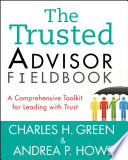
The Trusted Advisor Fieldbook was written by Andrea P. Howe, Charles H. Green.
If you enjoyed The Trusted Advisor Fieldbook by Andrea P. Howe, Charles H. Green and want to explore similar topics or deepen your understanding, we highly recommend these related book summaries:
These books cover related themes, complementary concepts, and will help you build upon the knowledge gained from The Trusted Advisor Fieldbook. Each of these summaries provides concise insights that can further enhance your understanding and practical application of the ideas presented in The Trusted Advisor Fieldbook.