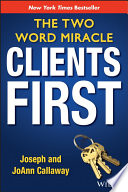
The foundation of 'Clients First' revolves around adopting a client-centric mindset. This principle emphasizes the importance of understanding client needs and preferences before offering solutions. A business that prioritizes its clients fosters loyalty and trust, which can lead to repeat business and referrals. This mindset shifts the focus from merely selling a product to genuinely solving a client's problem. It encourages businesses to gather feedback, conduct surveys, and engage in active listening to understand client pain points. By doing so, companies can tailor their services to better meet client expectations, resulting in improved satisfaction and long-term relationships.
Continue readingThe book outlines that strong client relationships are crucial for sustained business success. Building these relationships requires consistent communication, transparency, and reliability. 'Clients First' suggests that businesses should invest time in nurturing these relationships through regular check-ins and personalized communication. Moreover, it emphasizes the importance of being responsive to client inquiries and concerns. By treating clients as partners rather than transactions, businesses can create a sense of loyalty that translates into advocacy, where satisfied clients promote the brand to others, enhancing the company's reputation and reach.
Continue readingA key takeaway from 'Clients First' is the significance of providing value-driven services. This means going beyond the basic offerings and delivering additional value that resonates with clients. The book encourages businesses to innovate continuously and find ways to enhance their services, whether through added features, exceptional customer service, or unique experiences. By focusing on value, companies can differentiate themselves from competitors and create a compelling reason for clients to choose them. This approach not only leads to client satisfaction but also fosters a culture of excellence within the organization, motivating employees to strive for higher standards.
Continue readingFeedback loops are an essential component in the 'Clients First' framework. The book advocates for actively seeking client feedback to refine products and services. Establishing a systematic approach to collecting and analyzing feedback can help businesses identify areas for improvement and innovation. This not only enhances client satisfaction but also demonstrates that the company values its clients' opinions. Implementing changes based on feedback fosters a sense of ownership among clients, making them feel heard and valued. Ultimately, businesses that embrace feedback loops can adapt more rapidly to market changes and client needs, maintaining a competitive edge.
Continue readingThe book emphasizes that empowering employees is critical to delivering exceptional client service. When employees feel valued and trusted, they are more likely to go above and beyond for clients. 'Clients First' suggests that organizations should invest in training and development to equip employees with the skills and knowledge necessary to meet client needs effectively. Furthermore, fostering a positive workplace culture where employees are encouraged to take initiative and make decisions can lead to enhanced client interactions. Empowered employees become brand ambassadors, contributing to a positive client experience and reinforcing the company's reputation.
Continue readingIn the rapidly changing business landscape, adaptability and agility are crucial themes in 'Clients First.' The book argues that businesses must be willing to pivot their strategies based on market trends and client feedback. This flexibility allows companies to respond quickly to new challenges and opportunities, ensuring they remain relevant and competitive. The authors provide examples of organizations that have successfully adapted their offerings to meet evolving client demands. By fostering a culture of innovation and openness to change, businesses can thrive in uncertain environments and continuously align their services with client expectations.
Continue readingFinally, 'Clients First' advocates for a long-term vision in business strategy. The authors argue that while short-term gains are important, a sustainable approach focuses on building lasting client relationships and brand loyalty. This long-term perspective encourages businesses to invest in their clients and their workforce, leading to better outcomes over time. The book highlights that success is not just measured by immediate profits but by the overall impact on clients and the community. By prioritizing long-term goals, organizations can create a legacy of trust and excellence that will benefit them for years to come.
Continue readingThe reading time for Clients First depends on the reader's pace. However, this concise book summary covers the 7 key ideas from Clients First, allowing you to quickly understand the main concepts, insights, and practical applications in around 23 min.
Clients First is definitely worth reading. The book covers essential topics including Client-Centric Mindset, Building Strong Relationships, Value-Driven Service, providing practical insights and actionable advice. Whether you read the full book or our concise summary, Clients First delivers valuable knowledge that can help you improve your understanding and apply these concepts in your personal or professional life.
Clients First was written by JoAnn Callaway, Joseph Callaway.
If you enjoyed Clients First by JoAnn Callaway, Joseph Callaway and want to explore similar topics or deepen your understanding, we highly recommend these related book summaries:
These books cover related themes, complementary concepts, and will help you build upon the knowledge gained from Clients First. Each of these summaries provides concise insights that can further enhance your understanding and practical application of the ideas presented in Clients First.