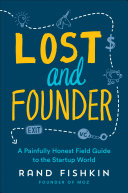
In 'Lost and Founder', Rand Fishkin emphasizes the stark contrast between the romanticized version of startups often portrayed in media and the gritty reality of running a business. He shares his personal experiences with Moz, the SEO software company he co-founded, detailing the struggles he faced, including financial instability, employee turnover, and the pressure to succeed. Fishkin argues that many entrepreneurs are misled by the glorified narratives of 'overnight success' that ignore the hard work, sacrifice, and often failure that precedes success. He encourages aspiring entrepreneurs to embrace the reality of startup life, including the potential for failure, and to prepare themselves mentally and emotionally for the challenges ahead. By sharing his own vulnerabilities and setbacks, Fishkin aims to provide a more authentic perspective on entrepreneurship, helping readers understand that the journey is often fraught with difficulties, and that resilience and adaptability are key traits for success.
Continue readingFishkin advocates for transparency in business practices, both internally with employees and externally with customers and stakeholders. He believes that openness about company challenges, successes, and failures fosters trust and loyalty. In his experience at Moz, Fishkin implemented a culture of transparency, sharing financial data and strategic decisions with his team. This approach not only empowered employees but also encouraged a sense of ownership and responsibility. He argues that transparency can lead to better decision-making, as it allows team members to understand the bigger picture and contribute more effectively. Additionally, being transparent with customers can enhance brand reputation and customer loyalty, as people appreciate honesty and authenticity. Fishkin's insights on transparency challenge the traditional notion of keeping business matters confidential and encourage readers to rethink their approach to communication within their organizations.
Continue readingA strong company culture is vital for attracting and retaining talent, according to Fishkin. In 'Lost and Founder', he discusses how Moz cultivated a positive work environment that prioritized employee well-being and satisfaction. Fishkin emphasizes the importance of aligning company values with employee values, creating a sense of purpose and belonging among team members. He shares initiatives that Moz implemented, such as flexible work arrangements, open communication channels, and opportunities for professional development. By fostering a supportive culture, Fishkin argues that companies can enhance employee engagement and productivity, ultimately leading to better business outcomes. He also highlights the role of leadership in shaping culture, urging leaders to model the values they wish to see in their organizations. This idea resonates particularly with entrepreneurs and leaders looking to build sustainable businesses that thrive on collaboration and innovation.
Continue readingFishkin emphasizes the significance of marketing and community engagement in building a successful brand. He reflects on his experiences with Moz's marketing strategies, including content marketing, SEO, and community involvement. Fishkin argues that creating valuable content and engaging with the audience can establish a brand's authority and foster loyalty. He encourages entrepreneurs to invest time and resources in understanding their target audience and building relationships with them. Moreover, Fishkin discusses the importance of giving back to the community, as it can enhance a brand's reputation and create goodwill. He shares examples of how Moz engaged with the SEO community through events, webinars, and educational resources. This idea underscores the need for entrepreneurs to prioritize marketing and community engagement as integral components of their business strategy.
Continue readingThroughout 'Lost and Founder', Fishkin shares his own failures and setbacks, emphasizing that failure is an inevitable part of the entrepreneurial journey. He encourages readers to embrace failure as a learning opportunity rather than a source of shame or discouragement. Fishkin argues that many successful entrepreneurs have faced significant challenges and failures before achieving success. By reframing failure as a valuable experience, entrepreneurs can develop resilience and adaptability, essential traits for navigating the unpredictable landscape of business. Fishkin also highlights the importance of reflecting on failures to extract lessons and insights that can inform future decisions. This perspective can empower aspiring entrepreneurs to take calculated risks and pursue their visions without fear of failure holding them back.
Continue readingFishkin warns against the 'growth at all costs' mentality that has become prevalent in the startup ecosystem. He argues that prioritizing rapid growth can lead to unsustainable practices, such as neglecting employee well-being, compromising product quality, and sacrificing long-term vision for short-term gains. In his experience with Moz, Fishkin faced the pressure to grow quickly, which sometimes resulted in decisions that were not aligned with the company’s core values. He advocates for a more balanced approach to growth that considers the well-being of employees, customers, and the overall mission of the company. By focusing on sustainable growth, entrepreneurs can build resilient businesses that are better equipped to weather challenges and adapt to changing market conditions.
Continue readingIn 'Lost and Founder', Fishkin underscores the importance of mentorship and networking in the entrepreneurial journey. He shares how seeking guidance from experienced entrepreneurs and industry experts helped him navigate challenges and make informed decisions. Fishkin encourages readers to actively seek mentors who can provide valuable insights and support. Additionally, he highlights the significance of building a strong network of peers and collaborators, as these connections can lead to opportunities, partnerships, and shared learning experiences. By fostering relationships within the entrepreneurial community, individuals can access resources, knowledge, and encouragement that can significantly impact their success. This idea serves as a reminder that entrepreneurship is not a solitary endeavor, and collaboration can enhance innovation and growth.
Continue readingThe reading time for Lost and Founder depends on the reader's pace. However, this concise book summary covers the 7 key ideas from Lost and Founder, allowing you to quickly understand the main concepts, insights, and practical applications in around 21 min.
Lost and Founder is definitely worth reading. The book covers essential topics including The Reality of Startups, The Importance of Transparency, Building a Strong Company Culture, providing practical insights and actionable advice. Whether you read the full book or our concise summary, Lost and Founder delivers valuable knowledge that can help you improve your understanding and apply these concepts in your personal or professional life.
Lost and Founder was written by Rand Fishkin.
If you enjoyed Lost and Founder by Rand Fishkin and want to explore similar topics or deepen your understanding, we highly recommend these related book summaries:
These books cover related themes, complementary concepts, and will help you build upon the knowledge gained from Lost and Founder. Each of these summaries provides concise insights that can further enhance your understanding and practical application of the ideas presented in Lost and Founder.