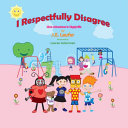
Disagreement is often viewed negatively, but the author argues that it is a crucial component of growth and innovation. When individuals engage in respectful disagreement, they challenge each other's perspectives, leading to deeper understanding and better solutions. The book emphasizes that constructive conflict can foster creativity and collaboration, ultimately driving better outcomes in both personal and professional settings.
Continue readingThe author highlights the importance of embracing diverse viewpoints. By actively seeking out and considering differing opinions, individuals can expand their understanding and enhance their decision-making processes. The book discusses various methods for cultivating an inclusive environment where diverse ideas can flourish, which is essential for effective teamwork and problem-solving.
Continue readingEmotional intelligence (EQ) is presented as a vital skill for navigating disagreements. The author explains how understanding one's own emotions and those of others can lead to more productive conversations. By developing EQ, individuals can approach disagreements with empathy and respect, making it easier to find common ground and resolve conflicts amicably.
Continue readingEffective communication is key to managing disagreements. The book offers practical strategies for articulating one's thoughts clearly and listening actively. The author stresses the importance of using 'I' statements, asking open-ended questions, and summarizing others' points to demonstrate understanding. These techniques can help create a safe space for dialogue and reduce defensiveness.
Continue readingA growth mindset is essential for embracing disagreement. The author encourages readers to view challenges and differing opinions as opportunities for learning and self-improvement. By adopting a mindset that values growth over being 'right,' individuals can approach disagreements with curiosity and a willingness to evolve their thinking.
Continue readingConflict is an inevitable part of life, and the book discusses how engaging with it can build resilience. The author argues that facing disagreements head-on can strengthen relationships and improve problem-solving skills. By learning to navigate conflict constructively, individuals can develop greater confidence in their ability to handle future challenges.
Continue readingThe final key idea focuses on fostering a culture that values respectful disagreement within organizations. The author provides actionable steps for leaders to encourage open dialogue and create an environment where team members feel safe to express differing opinions. This culture not only enhances collaboration but also drives innovation and engagement among employees.
Continue readingThe reading time for I Respectfully Disagree depends on the reader's pace. However, this concise book summary covers the 7 key ideas from I Respectfully Disagree, allowing you to quickly understand the main concepts, insights, and practical applications in around 22 min.
I Respectfully Disagree is definitely worth reading. The book covers essential topics including The Value of Disagreement, Embracing Diverse Perspectives, The Role of Emotional Intelligence, providing practical insights and actionable advice. Whether you read the full book or our concise summary, I Respectfully Disagree delivers valuable knowledge that can help you improve your understanding and apply these concepts in your personal or professional life.
I Respectfully Disagree was written by Judy Egett Laufer.
If you enjoyed I Respectfully Disagree by Judy Egett Laufer and want to explore similar topics or deepen your understanding, we highly recommend these related book summaries:
These books cover related themes, complementary concepts, and will help you build upon the knowledge gained from I Respectfully Disagree. Each of these summaries provides concise insights that can further enhance your understanding and practical application of the ideas presented in I Respectfully Disagree.