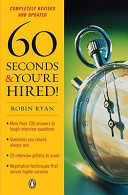
Book cover 60 Seconds and You're Hired!
Select an audio
0:00
Intro - 60 Seconds and You're Hired! --:--
1. The Importance of First Impressions --:--
2. Crafting an Elevator Pitch --:--
3. The STAR Method for Answering Questions --:--
4. Researching the Company --:--
5. Asking Thoughtful Questions --:--
6. Follow-Up Etiquette --:--
7. Continuous Improvement and Practice --:--

60 Seconds and You're Hired!

Robin Ryan

19 min
Summary

60 Seconds and You're Hired! serves as a comprehensive guide for job seekers looking to enhance their interview skills and increase their chances of securing a job offer. The book focuses on the critical first minute of an interview, where candidates must make a positive impression and effectively communicate their value. It emphasizes the importance of preparation, self-presentation, and strategic communication throughout the interview process. Readers are encouraged to develop a strong elevator pitch, utilize the STAR method for answering behavioral questions, and conduct thorough research on potential employers. Additionally, the book highlights the significance of asking thoughtful questions and following up after interviews to reinforce interest and professionalism. By adopting the strategies outlined in the book, candidates can approach interviews with greater confidence and clarity, ultimately improving their job search outcomes. The author's practical advice and actionable tips make this book a valuable resource for anyone navigating the competitive job market. The focus on continuous improvement and practice is particularly empowering, as it encourages readers to view interviews as opportunities for growth rather than just high-pressure situations. Overall, 60 Seconds and You're Hired! equips job seekers with the tools they need to stand out and succeed in their career pursuits.

The Importance of First Impressions

In the job market, first impressions are crucial. Within the first 60 seconds of an interview, hiring managers form opinions about candidates. This idea emphasizes the importance of body language, attire, and initial greetings. Candidates should be aware of how they present themselves, as this can significantly influence the interview outcome. The book provides strategies for making a positive first impression, such as maintaining eye contact, offering a firm handshake, and dressing appropriately for the job. Understanding the psychology behind first impressions can help candidates position themselves favorably.

Continue reading
In the competitive landscape of the job market, the significance of first impressions cannot be overstated. When candidates enter an interview, they are often met with a barrage of scrutiny that begins the moment they walk through the door. Research indicates that hiring managers form their opinions about candidates within the first 60 seconds of interaction. This rapid assessment is not merely a superficial judgment; it encompasses various elements that collectively shape the interviewer's perception of the candidate's suitability for the role.

Body language plays a pivotal role in how candidates are perceived. Non-verbal cues, such as posture, facial expressions, and gestures, communicate confidence, enthusiasm, and professionalism. For instance, standing tall with an open posture can convey self-assurance, while slouching or crossing arms may suggest insecurity or defensiveness. It is essential for candidates to be conscious of their body language and to project an image that aligns with the qualities they wish to convey.

Attire is another critical aspect of first impressions. The way candidates dress can significantly influence how they are perceived by hiring managers. Dressing appropriately for the job not only demonstrates respect for the interview process but also indicates an understanding of the company culture. Candidates should research the organization beforehand and choose their attire accordingly, ensuring that they strike a balance between professionalism and personal style. A well-chosen outfit can enhance a candidate's confidence and contribute positively to the overall impression they leave.

The initial greeting is equally important in setting the tone for the interview. A firm handshake, accompanied by a warm smile and direct eye contact, can establish an immediate connection with the interviewer. This moment serves as an opportunity to convey enthusiasm and readiness to engage in the conversation ahead. Candidates should practice their greetings to ensure they come across as genuine and approachable, as these first interactions can significantly influence the interviewer's initial impression.

Understanding the psychology behind first impressions can empower candidates to position themselves favorably during interviews. The ability to read the room, adapt to the interviewer's demeanor, and respond appropriately can further enhance the candidate's chances of making a lasting positive impression. By being mindful of these elements—body language, attire, and initial greetings—candidates can create a strong foundation for a successful interview, increasing their likelihood of advancing in the hiring process.

Crafting an Elevator Pitch

An elevator pitch is a succinct and persuasive speech that outlines who you are, what you do, and what you can offer. The book stresses that candidates should be able to deliver their elevator pitch within 60 seconds. This pitch should highlight key accomplishments, relevant skills, and career goals, tailored to the specific job. The ability to articulate one's value proposition quickly is critical in a competitive job market. The author provides examples and templates to help readers create their own pitches, ensuring they can communicate effectively in various situations.

Continue reading
Crafting an elevator pitch is an essential skill for anyone navigating the job market, and it serves as a powerful tool for self-promotion in professional settings. An elevator pitch is designed to be a brief yet impactful introduction that effectively communicates who you are, what you do, and what you bring to the table. The emphasis on delivering this pitch within a timeframe of 60 seconds reflects the reality of today’s fast-paced environment, where attention spans are short, and first impressions are crucial.

The pitch should encapsulate key accomplishments that showcase your expertise and successes in previous roles. This means identifying specific achievements that are quantifiable and relevant to the position you are pursuing. For instance, rather than simply stating that you have experience in project management, you might highlight a successful project you led that resulted in a significant increase in efficiency or revenue. This approach not only demonstrates your capabilities but also provides concrete evidence of your contributions.

Relevant skills must also be a focal point of your elevator pitch. It is important to align these skills with the requirements of the job you are applying for, ensuring that you present yourself as a perfect fit for the role. This requires a deep understanding of the job description and the company’s needs, allowing you to tailor your pitch accordingly. By doing so, you can effectively communicate how your unique skill set can address the challenges the employer faces.

Additionally, articulating your career goals is a vital component of the pitch. This aspect should convey your aspirations and how they align with the organization’s mission and values. By expressing a clear vision for your professional future, you not only demonstrate ambition but also show that you have thought critically about your career path and how it intersects with the potential employer’s objectives.

The ability to communicate your value proposition succinctly is particularly important in a competitive job market where candidates often vie for the same opportunities. The book emphasizes that a well-crafted elevator pitch can set you apart from others by showcasing your individuality and professional brand. It is a chance to make a memorable impression that resonates with potential employers, making them more likely to remember you when opportunities arise.

To assist readers in developing their own elevator pitches, the book provides a variety of examples and templates that serve as starting points. These resources guide individuals in structuring their pitches effectively, ensuring that they cover all necessary elements without overwhelming their audience with excessive detail. The focus is on clarity and conciseness, allowing the pitch to flow naturally while maintaining the listener’s engagement.

Ultimately, mastering the art of the elevator pitch is about preparation and practice. The book encourages readers to rehearse their pitches until they can deliver them confidently and smoothly. This level of preparation not only boosts self-assurance but also allows individuals to adapt their pitches spontaneously to different situations, whether in formal interviews, networking events, or casual encounters. By honing this skill, candidates can enhance their overall communication abilities and increase their chances of making a lasting impact in their professional endeavors.

The STAR Method for Answering Questions

The STAR method (Situation, Task, Action, Result) is a structured approach to answering behavioral interview questions. The book illustrates how candidates can use this technique to provide clear and concise responses that demonstrate their problem-solving abilities and achievements. By framing answers within this structure, candidates can effectively showcase their experiences and skills. The author encourages practice with this method, as it helps candidates feel more confident and prepared during interviews.

Continue reading
The STAR method serves as a highly effective framework for individuals preparing for behavioral interviews, which are increasingly popular among employers seeking to assess a candidate's past experiences as indicators of future performance. This method breaks down the response to interview questions into four distinct components: Situation, Task, Action, and Result.

To begin with, the 'Situation' refers to the context or background of the scenario being discussed. It is essential for candidates to set the stage by providing enough detail for the interviewer to understand the environment and circumstances they were operating in. This could involve describing a specific project, challenge, or even a team dynamic that was relevant to the situation at hand.

Next, the 'Task' component focuses on the specific responsibility or challenge that the candidate faced within that situation. This is where candidates articulate their role and the expectations placed upon them. It is crucial to clarify what was required of them, as this helps to highlight their accountability and the importance of their contributions.

Moving on to the 'Action,' this is where candidates detail the steps they took to address the task or overcome the challenge. This part of the response is vital because it demonstrates the candidate's problem-solving skills, initiative, and ability to implement strategies effectively. Here, candidates should emphasize their thought processes, decision-making skills, and any innovative approaches they employed to achieve a successful outcome.

Finally, the 'Result' encapsulates the outcome of the actions taken. Candidates should aim to quantify their results when possible, providing tangible evidence of their success. This could involve metrics such as increased sales, improved team efficiency, or successful project completions. Highlighting positive results not only showcases the candidate's effectiveness but also reinforces their value to potential employers.

The structured nature of the STAR method allows candidates to deliver their responses in a clear and organized manner, making it easier for interviewers to follow the narrative and understand the candidate's capabilities. By practicing this technique, candidates can refine their storytelling skills, ensuring they convey their experiences compellingly and confidently. This preparation ultimately boosts their self-assurance during interviews, allowing them to focus on engaging with the interviewer rather than getting lost in their thoughts or struggling to articulate their points.

In essence, the STAR method equips candidates with a powerful tool to navigate behavioral interviews successfully, enabling them to present their skills and experiences in a way that resonates with hiring managers and sets them apart from the competition.

Researching the Company

Understanding the company you're applying to is vital for a successful interview. The book highlights the importance of researching the organization's culture, values, and recent developments. This knowledge allows candidates to tailor their responses to align with the company's goals and demonstrate genuine interest. The author provides tips on how to gather information from various sources, including the company's website, social media, and news articles. Being well-informed can set candidates apart and show that they are proactive and engaged.

Continue reading
Understanding the company you are applying to is not just a preliminary step but a crucial element in preparing for a successful interview. The significance of researching the organization's culture, values, and recent developments cannot be overstated, as it lays the groundwork for a more engaging and relevant conversation during the interview process.

When candidates take the time to delve into the company’s mission and vision, they can articulate their own experiences and skills in a manner that resonates with the employer's objectives. This alignment demonstrates to interviewers that the candidate is not only qualified but also genuinely interested in contributing to the company's success. Such preparation allows individuals to craft responses that reflect the company’s ethos, showcasing their potential fit within the team and the broader organizational framework.

To effectively gather information, candidates are encouraged to utilize a variety of resources. The company's official website is often the first stop, providing insights into its history, product offerings, and corporate philosophy. Additionally, exploring the "About Us" section, press releases, and any available annual reports can yield valuable information about recent achievements and strategic goals.

Social media platforms also serve as a rich source of information. Companies often share updates, employee testimonials, and insights into their workplace culture on platforms like LinkedIn, Twitter, and Facebook. Engaging with this content can offer a more dynamic understanding of the company’s environment and values, as well as current initiatives that might be relevant to the position for which one is applying.

Furthermore, keeping abreast of news articles and industry publications can provide context about the company’s standing in the market, its competitive landscape, and any recent challenges or triumphs it has faced. This knowledge not only prepares candidates to answer questions more effectively but also equips them to ask insightful questions of their own, which can further demonstrate their interest and engagement.

Being well-informed about the organization can significantly differentiate candidates from their peers. It reflects a proactive approach to the job application process and showcases a commitment to understanding the potential employer. This level of preparation can instill confidence in candidates, allowing them to communicate more effectively and establish a rapport with interviewers. Ultimately, thorough research can be a decisive factor in making a lasting impression and securing the desired position.

Asking Thoughtful Questions

At the end of an interview, candidates are typically given the opportunity to ask questions. The book emphasizes that asking insightful questions can leave a lasting impression on interviewers. Thoughtful questions can demonstrate curiosity and engagement, as well as provide candidates with valuable information about the role and company. The author suggests preparing a list of questions in advance and tailoring them based on the interview conversation. This approach not only helps candidates gather important information but also reinforces their interest in the position.

Continue reading
At the conclusion of an interview, candidates are often presented with a chance to pose questions to the interviewer. This moment is not merely a formality; it serves as a critical opportunity for candidates to showcase their interest and engagement with the role and the organization. The act of asking thoughtful and insightful questions can significantly influence the interviewer's perception of the candidate, leaving a memorable impression that can set them apart from others.

Thoughtful questions reflect a candidate's curiosity and genuine interest in the position, signaling to the interviewer that the candidate is not just looking for any job, but is specifically invested in understanding how they can contribute to the company’s success. Such questions can also reveal a candidate's depth of research and preparation, indicating that they have taken the time to learn about the company’s culture, values, and objectives.

To maximize the effectiveness of this opportunity, candidates are encouraged to prepare a list of questions in advance. This preparation allows candidates to tailor their inquiries based on the flow of the interview and the specific topics discussed. For instance, if a particular project or challenge was mentioned during the interview, a candidate might ask how the team collaborates to overcome obstacles or what the key metrics for success are. This not only demonstrates active listening but also shows that the candidate is thinking critically about how they would fit into the team and contribute to its goals.

Moreover, asking questions can provide candidates with essential insights into the role and the company, helping them assess whether it aligns with their career aspirations and values. Questions about the company’s growth trajectory, team dynamics, or opportunities for professional development can yield valuable information that helps candidates make informed decisions.

In summary, the practice of asking thoughtful questions at the end of an interview is a powerful tool for candidates. It enhances their engagement, showcases their curiosity, and allows them to gather crucial information about the role and the organization. By preparing in advance and tailoring their questions to the conversation, candidates can effectively communicate their interest and stand out in a competitive job market.

Follow-Up Etiquette

Following up after an interview is a critical step in the job search process. The book discusses the importance of sending a thank-you note or email to express appreciation for the opportunity and reiterate interest in the position. This gesture can help candidates stand out and reinforce their commitment to the role. The author provides guidelines on how to craft effective follow-up messages, including timing, content, and tone. A well-timed follow-up can enhance a candidate's chances of being remembered positively by the hiring team.

Continue reading
Following up after an interview is an essential and often overlooked step in the job search process that can significantly impact a candidate’s prospects. The discussion emphasizes that sending a thank-you note or email serves not only as a polite gesture but also as a strategic move to reinforce a candidate's interest in the position. This act of gratitude is an opportunity to express appreciation for the time and effort the interviewers invested in the process, which can leave a lasting impression.

The importance of timing in follow-up communications cannot be overstated. Ideally, a thank-you note should be sent within 24 hours of the interview. This promptness demonstrates enthusiasm and respect for the interviewers' time, signaling that the candidate is proactive and genuinely interested in the role. In crafting the follow-up message, the content should be personalized to reflect specific discussions or points raised during the interview. This personalization shows attentiveness and helps the candidate stand out among other applicants who may send generic messages.

In terms of tone, the follow-up should strike a balance between professionalism and warmth. It’s vital to maintain a respectful demeanor while also conveying genuine appreciation. Utilizing a friendly yet formal tone can help in building rapport with the hiring team. Additionally, it’s beneficial to reiterate key points that highlight why the candidate is a strong fit for the position. This can include mentioning specific skills or experiences that align with the job requirements discussed during the interview.

Moreover, the follow-up can serve as a platform for addressing any points that may not have been fully covered during the interview. If there were questions that the candidate felt they could have answered better, this is a chance to clarify or expand on those points. This proactive approach can demonstrate a candidate's commitment to the role and their willingness to engage in open communication.

Ultimately, a well-crafted follow-up message can significantly enhance a candidate's chances of being remembered positively by the hiring team. It reinforces their interest in the position and helps to keep the lines of communication open. By effectively navigating the follow-up etiquette, candidates can position themselves favorably in the competitive job market, distinguishing themselves from others who may not take this important step.

Continuous Improvement and Practice

The job search process is often daunting, and the book encourages candidates to view interviews as opportunities for growth. Continuous improvement through practice is essential for building confidence and refining interview skills. The author suggests conducting mock interviews, seeking feedback, and learning from each experience. By adopting a mindset of continuous learning, candidates can enhance their performance and increase their chances of success in future interviews.

Continue reading
The job search process can often feel overwhelming and intimidating for many candidates, leading to anxiety and uncertainty when it comes to interviews. However, the perspective presented in the text encourages individuals to reframe their mindset about interviews, viewing them not merely as high-stakes assessments but as valuable opportunities for personal and professional growth. This shift in perspective is critical because it allows candidates to approach interviews with a sense of curiosity and a desire to learn, rather than just the pressure to perform perfectly.

Continuous improvement is a core concept that underscores the importance of practice in mastering interview skills. The idea is that just like any other skill set, interviewing can be developed and refined over time. Candidates are urged to engage in mock interviews, which simulate the real interview environment. These practice sessions can be conducted with friends, family, or even professional coaches. The key benefit of mock interviews is that they provide a safe space for candidates to experiment with their responses, body language, and overall presentation without the fear of real-world consequences.

Seeking feedback is another crucial aspect of this continuous improvement process. After conducting mock interviews, candidates are encouraged to solicit constructive criticism from their practice partners. This feedback can highlight areas of strength and pinpoint specific weaknesses that need attention. By actively seeking out this information, candidates can gain insights into how they are perceived by others, which can be invaluable in making adjustments to their approach.

Learning from each interview experience, whether successful or not, is emphasized as a vital component of growth. Every interaction provides an opportunity to reflect on what went well and what could be improved. This reflective practice enables candidates to identify patterns in their performance, understand their unique selling points, and develop strategies to address any shortcomings. By maintaining a mindset of continuous learning, candidates can progressively enhance their performance, build their confidence, and ultimately increase their chances of success in future interviews.

In summary, the emphasis on continuous improvement and practice fosters a proactive approach to the job search process. It encourages candidates to embrace interviews as learning experiences, engage in mock interviews, actively seek feedback, and reflect on their performance. This approach not only prepares candidates for specific job opportunities but also equips them with valuable skills and insights that can benefit them throughout their professional journeys.

Who Should Read This Book?

This book is ideal for job seekers at any stage of their career, including recent graduates, professionals looking to change jobs, and individuals re-entering the workforce. It provides practical tips and strategies that are relevant to a wide range of industries and positions. Additionally, career coaches and recruiters can benefit from the insights shared in the book, as it offers a deeper understanding of what employers look for in candidates.

Summaries like 60 Seconds and You're Hired!

I Hate Job Interviews
Sam Owens
Stop Stressing. Start Performing. Get the Job You Want.
19 min
Get Hired Now!
Ian Siegel
How to Accelerate Your Job Search, Stand Out, and Land Your Next Great Opportunity
20 min
What Color Is Your Parachute?
Richard N. Bolles
Your Guide to a Lifetime of Meaningful Work and Career Success
19 min
The Job-Ready Guide
Anastasia de Waal
How to Set Yourself Up for Career Success
20 min
The First Minute
Chris Fenning
How to Start Conversations that Get Results
17 min
Bargaining for Advantage
G. Richard Shell
Negotiation Strategies for Reasonable People
21 min
Pitch anything
Oren Klaff
Un método innovador para presentar, persuadir y conseguir tus objetivos
20 min
Without Saying a Word
Kasia Wezowski, Patryk Wezowski
Master the Science of Body Language and Maximize Your Success
20 min
You Can Negotiate Anything
Herb Cohen
20 min
Job Moves
Bob Moesta, Ethan Bernstein, Michael B. Horn
9 Steps for Making Progress in Your Career
20 min
Difficult Conversations Don't Have to Be Difficult
Amy P. Kelly, Jon Gordon
A Simple, Smart Way to Make Your Relationships and Team Better
20 min
Ask for More
Alexandra Carter
10 Questions to Negotiate Anything
18 min
Cold Calling Sucks (And That's Why It Works)
Armand Farrokh, Nick Cegelski
A Step-by-Step Guide to Calling Strangers in Sales
22 min
Start, Stay, or Leave
Trey Gowdy
The Art of Decision Making
19 min

About the Author

Robin Ryan

Robin Ryan is a well-known author and career expert, recognized for her contributions to the fields of job search strategies and career development. She has gained prominence through her insightful books and articles that provide practical advice for individuals seeking to enhance their professional lives. Ryan's work often focuses on effective resume writing, interview techniques, and networking strategies, making her a valuable resource for job seekers at various stages of their careers.

In addition to her writing, Robin Ryan has extensive experience as a career counselor and coach, helping clients navigate the complexities of the job market. Her expertise is frequently sought after, and she has been featured in various media outlets, sharing her insights on employment trends and career advancement.

Ryan's approach emphasizes the importance of personal branding and self-promotion in achieving career goals. She advocates for proactive job search methods and encourages individuals to take charge of their professional narratives. Through her engaging writing style and practical guidance, she has inspired many to pursue their career aspirations with confidence.

While specific details about her background and achievements may not be widely documented, Robin Ryan remains a respected figure in the realm of career development, known for her commitment to empowering individuals to succeed in their professional endeavors.

60 Seconds and You're Hired! FAQs

How long does it take to read 60 Seconds and You're Hired!?

The reading time for 60 Seconds and You're Hired! depends on the reader's pace. However, this concise book summary covers the 7 key ideas from 60 Seconds and You're Hired!, allowing you to quickly understand the main concepts, insights, and practical applications in around 19 min.

Is 60 Seconds and You're Hired! a good book? Is it worth reading?

60 Seconds and You're Hired! is definitely worth reading. The book covers essential topics including The Importance of First Impressions, Crafting an Elevator Pitch, The STAR Method for Answering Questions, providing practical insights and actionable advice. Whether you read the full book or our concise summary, 60 Seconds and You're Hired! delivers valuable knowledge that can help you improve your understanding and apply these concepts in your personal or professional life.

Who is the author of 60 Seconds and You're Hired!?

60 Seconds and You're Hired! was written by Robin Ryan.

What to read after 60 Seconds and You're Hired!?

If you enjoyed 60 Seconds and You're Hired! by Robin Ryan and want to explore similar topics or deepen your understanding, we highly recommend these related book summaries:

  • I Hate Job Interviews by Sam Owens
  • Get Hired Now! by Ian Siegel
  • What Color Is Your Parachute? by Richard N. Bolles
  • Summary of Victor Cheng's Case Interview Secrets by Everest Media
  • The Job-Ready Guide by Anastasia de Waal

These books cover related themes, complementary concepts, and will help you build upon the knowledge gained from 60 Seconds and You're Hired!. Each of these summaries provides concise insights that can further enhance your understanding and practical application of the ideas presented in 60 Seconds and You're Hired!.