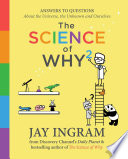
Curiosity is a fundamental aspect of human nature that drives innovation and discovery. In 'The Science of Why 2', the author emphasizes how curiosity fuels our desire to understand the world around us. This idea is supported by various studies showing that curious individuals tend to be more creative and successful in their endeavors. The book illustrates how curiosity leads to questioning the status quo, which is vital for personal and professional growth. It encourages readers to cultivate curiosity in their lives by asking questions, seeking new experiences, and being open to learning. By embracing curiosity, individuals can foster a mindset that is more adaptable and resilient in the face of challenges.
Continue readingThe book delves into the intricate relationship between emotion and decision-making processes. It highlights how emotions can significantly influence our choices, often in ways we may not consciously recognize. The author presents research from psychology that shows how emotional responses can lead to both beneficial and detrimental decisions. For instance, decisions driven by fear may lead to avoidance behaviors, while those influenced by excitement can encourage risk-taking. Understanding this emotional component allows individuals to make more informed decisions by recognizing their emotional triggers and learning to balance them with rational thought.
Continue readingSocial influence plays a crucial role in shaping our behaviors and beliefs. The book explores how our interactions with others can affect our choices, from the products we buy to the opinions we hold. It discusses concepts such as social proof and conformity, illustrating how people often look to others for guidance, especially in ambiguous situations. The author uses real-world examples to show how marketers and leaders can leverage social influence to drive engagement and change. By understanding the mechanisms of social influence, readers can become more aware of its effects on their own lives and learn to navigate social dynamics more effectively.
Continue readingHabit formation is a central theme in 'The Science of Why 2', where the author examines how habits are formed and how they can be changed. The book outlines the habit loop—cue, routine, and reward—and explains how understanding this cycle can empower individuals to develop positive habits and break negative ones. It discusses the neurological basis of habits and the importance of consistency in habit formation. The author provides practical strategies for readers to implement in their daily lives, emphasizing that small changes can lead to significant transformations over time. This idea is particularly valuable for anyone looking to improve their productivity or personal well-being.
Continue readingOur environment significantly influences our behavior, often in subtle ways. The book discusses how physical spaces, social settings, and cultural contexts can shape our actions and decisions. The author presents research demonstrating that even minor changes in our environment can lead to different outcomes, such as increased productivity or healthier lifestyle choices. By being aware of environmental cues, individuals can design their surroundings to support their goals. The book offers insights into how to create environments that foster positive behaviors, making it a practical guide for anyone looking to enhance their personal or professional life.
Continue readingMindset is a powerful determinant of success and well-being. The author emphasizes the difference between a fixed mindset and a growth mindset, drawing on research by psychologist Carol Dweck. A growth mindset fosters resilience and a willingness to learn from failure, while a fixed mindset can limit potential and hinder progress. The book provides strategies for cultivating a growth mindset, such as embracing challenges and viewing setbacks as opportunities for growth. This idea is particularly relevant for individuals seeking to advance their careers or improve their personal development, as it encourages a proactive and adaptable approach to life.
Continue readingIn the modern world, technology significantly impacts human behavior and decision-making. The book explores how digital tools and platforms influence our choices, from social media interactions to online shopping. The author discusses both the positive and negative effects of technology on our lives, highlighting issues such as addiction, distraction, and the erosion of privacy. By understanding the interplay between technology and behavior, readers can make more conscious choices about their technology use. The book encourages readers to reflect on their relationship with technology and to seek a balance that enhances their well-being and productivity.
Continue readingThe reading time for The Science of Why 2 depends on the reader's pace. However, this concise book summary covers the 7 key ideas from The Science of Why 2, allowing you to quickly understand the main concepts, insights, and practical applications in around 23 min.
The Science of Why 2 is definitely worth reading. The book covers essential topics including The Importance of Curiosity, The Role of Emotion in Decision Making, The Power of Social Influence, providing practical insights and actionable advice. Whether you read the full book or our concise summary, The Science of Why 2 delivers valuable knowledge that can help you improve your understanding and apply these concepts in your personal or professional life.
The Science of Why 2 was written by Jay Ingram.
If you enjoyed The Science of Why 2 by Jay Ingram and want to explore similar topics or deepen your understanding, we highly recommend these related book summaries:
These books cover related themes, complementary concepts, and will help you build upon the knowledge gained from The Science of Why 2. Each of these summaries provides concise insights that can further enhance your understanding and practical application of the ideas presented in The Science of Why 2.