One of the central themes of 'The Science of Selling' is the importance of understanding buyer psychology. The book delves into how emotions and cognitive biases play a crucial role in the decision-making process of potential customers. It emphasizes that successful selling is not just about presenting a product or service, but about connecting with the buyer on an emotional level. By understanding what drives a buyer's decisions—such as fear of loss, desire for gain, and social proof—sales professionals can tailor their approach to resonate with their audience. This involves active listening, asking the right questions, and being able to read non-verbal cues. The book provides practical techniques for building rapport and trust, which are essential for influencing buyer behavior effectively. Additionally, it discusses the importance of empathy in the sales process, urging salespeople to view the situation from the buyer's perspective to create a more personalized experience.
Continue readingThe book highlights the transformative impact of data on the sales process. In today's digital age, sales professionals have access to a wealth of data that can inform their strategies and improve outcomes. 'The Science of Selling' discusses how to leverage analytics to understand market trends, customer preferences, and behavior patterns. By utilizing data-driven insights, salespeople can identify high-potential leads, optimize their sales pitches, and tailor their follow-up strategies. The book also covers the importance of tracking key performance indicators (KPIs) to measure success and refine techniques over time. This data-centric approach enables sales teams to make informed decisions, reduce guesswork, and ultimately drive better results. The author provides case studies and examples of organizations that have successfully integrated data into their sales processes, illustrating the tangible benefits of adopting a data-driven mindset.
Continue readingA well-defined sales process is crucial for achieving consistent results in sales. The book outlines the stages of an effective sales process, from prospecting and lead generation to closing the deal and post-sale follow-up. Each stage is examined in detail, with actionable tips for optimizing performance. The author emphasizes the importance of having a structured approach to selling, as it allows sales professionals to track their progress, identify bottlenecks, and implement improvements. The book also discusses the significance of setting clear goals and aligning the sales process with the overall business strategy. By establishing a strong sales framework, organizations can ensure that their sales teams operate efficiently and effectively, leading to higher conversion rates and increased revenue. Additionally, the book addresses common pitfalls in the sales process and offers solutions to overcome these challenges.
Continue readingRelationship building is a key component of successful selling, as highlighted in 'The Science of Selling.' The book explains that establishing trust and rapport with customers is essential for long-term success. Sales professionals are encouraged to focus on building meaningful relationships rather than merely closing deals. This involves investing time and effort into understanding customers' needs, preferences, and pain points. The author provides strategies for nurturing relationships, such as regular communication, personalized follow-ups, and providing value beyond the sale. By fostering strong relationships, salespeople can create loyal customers who are more likely to refer others and return for future purchases. The book also discusses the role of networking and collaboration in expanding one's reach and influence in the market.
Continue readingEffective communication is at the heart of successful selling, and 'The Science of Selling' emphasizes the need for sales professionals to hone their communication skills. The book covers various aspects of communication, including verbal and non-verbal cues, active listening, and persuasive techniques. The author provides practical tips for improving communication, such as adapting one's style to match the audience, using storytelling to convey messages, and asking open-ended questions to engage customers. Additionally, the book addresses the importance of clarity and conciseness in communication, ensuring that messages resonate with potential buyers. By mastering communication skills, sales professionals can enhance their ability to influence and persuade, ultimately leading to more successful sales outcomes.
Continue readingThe integration of technology into the sales process is another significant theme in 'The Science of Selling.' The book discusses various tools and platforms that can enhance sales efforts, such as customer relationship management (CRM) systems, automation software, and social media. The author explains how technology can streamline processes, improve efficiency, and provide valuable insights into customer behavior. By leveraging technology, sales professionals can manage their time more effectively, track interactions with leads, and analyze data to inform their strategies. The book also emphasizes the importance of staying updated on the latest technological trends and tools, as the sales landscape is continually evolving. Embracing technology not only enhances productivity but also positions sales teams to better meet the needs of their customers.
Continue readingThe final key idea presented in the book is the necessity of continuous learning and adaptation in the sales profession. The author stresses that the sales landscape is dynamic, and what works today may not be effective tomorrow. Sales professionals are encouraged to stay curious, seek out new knowledge, and be open to adapting their strategies based on changing market conditions and customer expectations. The book outlines various methods for ongoing learning, including attending workshops, seeking mentorship, and engaging with industry literature. By fostering a growth mindset and remaining adaptable, sales professionals can stay ahead of the competition and continue to improve their skills and effectiveness over time.
Continue readingThe reading time for The Science of Selling depends on the reader's pace. However, this concise book summary covers the 7 key ideas from The Science of Selling, allowing you to quickly understand the main concepts, insights, and practical applications in around 24 min.
The Science of Selling is definitely worth reading. The book covers essential topics including Understanding Buyer Psychology, The Role of Data in Selling, Building a Strong Sales Process, providing practical insights and actionable advice. Whether you read the full book or our concise summary, The Science of Selling delivers valuable knowledge that can help you improve your understanding and apply these concepts in your personal or professional life.
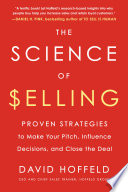
The Science of Selling was written by David Hoffeld.
If you enjoyed The Science of Selling by David Hoffeld and want to explore similar topics or deepen your understanding, we highly recommend these related book summaries:
These books cover related themes, complementary concepts, and will help you build upon the knowledge gained from The Science of Selling. Each of these summaries provides concise insights that can further enhance your understanding and practical application of the ideas presented in The Science of Selling.