The Three Ways are a framework that encapsulates the principles of DevOps, emphasizing the importance of flow, feedback, and continual learning. The First Way focuses on optimizing the flow of work from development to operations, highlighting the need to reduce handoffs and delays. The Second Way emphasizes the importance of feedback loops, ensuring that information flows back to the development team quickly to enable rapid improvements. The Third Way fosters a culture of experimentation and learning, encouraging teams to take risks and learn from failures. Together, these principles help organizations improve their IT processes and deliver value to customers more effectively.
Continue readingValue Stream Mapping is a technique used to visualize the flow of work and identify bottlenecks in the process. In the book, the characters learn to map their value streams to understand where delays and inefficiencies occur. By analyzing the current state of their processes, teams can identify areas for improvement and implement changes that enhance efficiency. This practice not only aids in streamlining operations but also aligns teams around a common goal of delivering value to the customer.
Continue readingCulture plays a crucial role in the success of IT initiatives. The book illustrates how a toxic culture can lead to poor performance and high turnover rates. Conversely, a positive culture fosters collaboration, innovation, and accountability. The characters in the story learn that creating a culture of trust and openness is essential for implementing changes effectively. This cultural shift encourages employees to take ownership of their work and empowers them to contribute to the organization’s success.
Continue readingEffective leadership is critical in driving change within an organization. The book emphasizes that leaders must not only support their teams but also actively participate in the transformation process. Leaders are responsible for creating an environment where experimentation is encouraged, and failures are viewed as learning opportunities. By modeling the behaviors they wish to see in their teams, leaders can inspire and motivate their employees to embrace new practices and drive continuous improvement.
Continue readingAdopting a DevOps mindset is essential for organizations looking to improve their software delivery processes. The book illustrates how breaking down silos between development and operations teams leads to better collaboration and faster delivery of value. The characters learn to embrace shared responsibilities and accountability, which fosters a sense of ownership and pride in their work. This mindset shift encourages teams to work together towards common goals, ultimately resulting in higher quality products and services.
Continue readingContinuous improvement is a fundamental principle in the world of DevOps. The book showcases how organizations can implement small, incremental changes that lead to significant improvements over time. By fostering a culture of experimentation and learning, teams are encouraged to try new approaches and refine their processes continually. This mindset not only enhances efficiency but also helps organizations adapt to changing market conditions and customer needs.
Continue readingMetrics play a vital role in understanding the performance of IT processes. The book highlights the need for organizations to establish meaningful metrics that provide insights into their operations. By measuring key performance indicators (KPIs), teams can identify areas for improvement and track their progress over time. The characters learn that metrics should not only focus on productivity but also on quality, customer satisfaction, and employee engagement, ensuring a holistic view of the organization’s performance.
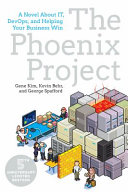
Continue readingThe reading time for The Phoenix Project depends on the reader's pace. However, this concise book summary covers the 7 key ideas from The Phoenix Project, allowing you to quickly understand the main concepts, insights, and practical applications in around 22 min.
The Phoenix Project is definitely worth reading. The book covers essential topics including The Three Ways, Value Stream Mapping, The Importance of Culture, providing practical insights and actionable advice. Whether you read the full book or our concise summary, The Phoenix Project delivers valuable knowledge that can help you improve your understanding and apply these concepts in your personal or professional life.
The Phoenix Project was written by Gene Kim, George Spafford, Kevin Behr.
If you enjoyed The Phoenix Project by Gene Kim, George Spafford, Kevin Behr and want to explore similar topics or deepen your understanding, we highly recommend these related book summaries:
These books cover related themes, complementary concepts, and will help you build upon the knowledge gained from The Phoenix Project. Each of these summaries provides concise insights that can further enhance your understanding and practical application of the ideas presented in The Phoenix Project.