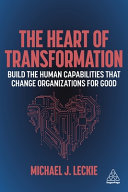
The book emphasizes that successful transformation initiatives are rooted in understanding the human element. It argues that change is not merely a strategic or operational endeavor; it is fundamentally about people. Leaders must recognize the emotions, motivations, and behaviors of individuals involved in the transformation process. This understanding helps in crafting messages that resonate and in building trust among stakeholders. The authors provide frameworks for assessing the readiness of individuals and teams for change, highlighting tools such as empathy mapping and stakeholder analysis. By prioritizing the human aspect, organizations can foster a culture that embraces change rather than resists it.
Continue readingA key component of transformation is the creation of a compelling vision that articulates the future state of the organization. This vision serves as a guiding star, providing direction and motivation for all involved. The authors stress the importance of co-creating this vision with team members to ensure buy-in and alignment. They suggest techniques for vision development, including workshops and collaborative sessions, which help to gather diverse perspectives. A strong vision not only inspires action but also helps to clarify the purpose behind the transformation efforts, making it easier for individuals to connect their roles to the larger organizational goals.
Continue readingLeadership plays a critical role in driving transformation. The book outlines the characteristics of effective transformational leaders, including their ability to communicate effectively, inspire trust, and demonstrate resilience in the face of challenges. It discusses the importance of leaders modeling the behaviors they wish to see in their teams, creating an environment where innovation and risk-taking are encouraged. Furthermore, the authors highlight the need for leaders to be emotionally intelligent, as they must navigate the complexities of human dynamics during times of change. Leaders who embody these qualities can rally their teams and maintain momentum throughout the transformation journey.
Continue readingFor transformation efforts to be sustainable, organizations must cultivate a change-ready culture. The authors discuss the elements that contribute to such a culture, including open communication, continuous learning, and a willingness to experiment. They provide examples of organizations that have successfully embedded these principles into their operations, creating an environment where employees feel empowered to contribute to change initiatives. The book also addresses the barriers that can inhibit a change-ready culture, such as fear of failure and rigid hierarchies, and offers strategies for overcoming these challenges.
Continue readingIn the rapidly changing business landscape, organizations must prioritize continuous learning and adaptation as part of their transformation strategy. The authors advocate for the establishment of feedback loops that allow teams to learn from both successes and failures. They emphasize the importance of agility, encouraging organizations to remain flexible in their approaches and to pivot when necessary. The book presents various methodologies, such as Agile and Lean, that promote iterative processes and customer-centricity, enabling organizations to respond effectively to market changes and customer needs.
Continue readingWhile the book focuses heavily on the human aspects of transformation, it does not overlook the role of technology as a critical enabler. The authors discuss how digital tools and platforms can enhance communication, collaboration, and data-driven decision-making. They highlight the importance of aligning technology initiatives with the overall transformation strategy, ensuring that tech investments support the desired outcomes. By leveraging technology wisely, organizations can streamline processes, enhance customer experiences, and create efficiencies that bolster their transformation efforts.
Continue readingFinally, the book addresses the importance of measuring the success and impact of transformation initiatives. The authors provide frameworks for defining key performance indicators (KPIs) that align with the transformation goals. They discuss the need for ongoing assessment and the role of data analytics in evaluating progress. By establishing clear metrics, organizations can track their journey, celebrate milestones, and make informed adjustments to their strategies. This focus on measurement helps to sustain momentum and reinforces the commitment to continuous improvement.
Continue readingThe reading time for The Heart of Transformation depends on the reader's pace. However, this concise book summary covers the 7 key ideas from The Heart of Transformation, allowing you to quickly understand the main concepts, insights, and practical applications in around 24 min.
The Heart of Transformation is definitely worth reading. The book covers essential topics including Understanding the Human Element in Transformation, Creating a Compelling Vision, The Role of Leadership in Transformation, providing practical insights and actionable advice. Whether you read the full book or our concise summary, The Heart of Transformation delivers valuable knowledge that can help you improve your understanding and apply these concepts in your personal or professional life.
The Heart of Transformation was written by Michael J. Leckie.
If you enjoyed The Heart of Transformation by Michael J. Leckie and want to explore similar topics or deepen your understanding, we highly recommend these related book summaries:
These books cover related themes, complementary concepts, and will help you build upon the knowledge gained from The Heart of Transformation. Each of these summaries provides concise insights that can further enhance your understanding and practical application of the ideas presented in The Heart of Transformation.