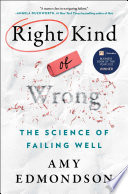
The book emphasizes the importance of embracing failure as a crucial part of the learning process. It argues that many successful individuals and businesses have faced significant setbacks before achieving success. The author discusses how fear of failure can paralyze innovation and creativity, and provides examples of well-known entrepreneurs who turned their failures into stepping stones for future success. By reframing failure as a necessary component of growth, readers are encouraged to take risks and learn from their mistakes.
Continue readingAuthenticity is portrayed as a vital element in both personal and professional life. The author asserts that being true to oneself fosters genuine relationships and trust, which are essential for effective leadership and collaboration. The book shares stories of individuals who have succeeded by being authentic, highlighting how vulnerability can lead to stronger connections with others. This idea encourages readers to embrace their true selves and to create environments where authenticity is valued.
Continue readingThe book discusses the significance of diversity in driving innovation. It argues that diverse teams bring different perspectives and ideas, which can lead to more creative solutions and better decision-making. The author provides research and case studies that demonstrate how organizations that prioritize diversity outperform their competitors. This idea serves as a call to action for businesses to cultivate inclusive cultures that welcome varied viewpoints, ultimately enhancing their innovation capabilities.
Continue readingA central theme of the book is the idea that mindset is more important than skillset. The author discusses how a growth mindset—believing that abilities can be developed through dedication and hard work—can lead to greater success than merely having talent or skills. This perspective encourages readers to focus on continuous learning and resilience, fostering an environment where challenges are seen as opportunities for growth rather than obstacles.
Continue readingBuilding and maintaining strong relationships is emphasized as a key factor in achieving success. The author explains how networking, mentorship, and collaboration can open doors and create opportunities. The book includes practical advice on how to cultivate meaningful connections and leverage them for personal and professional growth. It highlights the idea that success is often a collective effort rather than an individual pursuit.
Continue readingThe author stresses the importance of having a clear vision for the future. A well-defined vision serves as a guiding star for individuals and organizations, helping them stay focused and motivated. The book provides frameworks for how to develop a compelling vision and communicate it effectively to others. This idea encourages readers to think long-term and to align their actions with their overarching goals and aspirations.
Continue readingResilience is portrayed as a critical trait for overcoming challenges and achieving success. The author discusses various strategies for building resilience, such as maintaining a positive outlook, developing coping mechanisms, and seeking support from others. The book illustrates how resilient individuals are better equipped to navigate uncertainty and adversity, ultimately leading to more sustainable success. This idea serves as an encouragement for readers to cultivate resilience in their own lives.
Continue readingThe reading time for Right Kind of Wrong depends on the reader's pace. However, this concise book summary covers the 7 key ideas from Right Kind of Wrong, allowing you to quickly understand the main concepts, insights, and practical applications in around 21 min.
Right Kind of Wrong is definitely worth reading. The book covers essential topics including Embracing Failure, The Power of Authenticity, Innovation Through Diversity, providing practical insights and actionable advice. Whether you read the full book or our concise summary, Right Kind of Wrong delivers valuable knowledge that can help you improve your understanding and apply these concepts in your personal or professional life.
Right Kind of Wrong was written by Amy C. Edmondson.
If you enjoyed Right Kind of Wrong by Amy C. Edmondson and want to explore similar topics or deepen your understanding, we highly recommend these related book summaries:
These books cover related themes, complementary concepts, and will help you build upon the knowledge gained from Right Kind of Wrong. Each of these summaries provides concise insights that can further enhance your understanding and practical application of the ideas presented in Right Kind of Wrong.