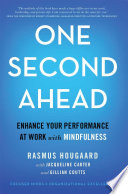
Book cover One Second Ahead
Select an audio
0:00
Intro - One Second Ahead --:--
1. The Importance of Anticipation --:--
2. The Role of Technology in Enhancing Anticipation --:--
3. Mindfulness and Presence --:--
4. The Impact of Stress on Decision-Making --:--
5. Learning from Failure --:--
6. Collaboration and Team Dynamics --:--
7. Practical Strategies for Anticipation --:--

One Second Ahead

Gillian Coutts, Jacqueline Carter, Rasmus Hougaard

Enhance Your Performance at Work with Mindfulness

23 min

Summary

In 'One Second Ahead', the author presents a compelling case for the importance of anticipation in achieving success in both personal and professional realms. The book is structured around the idea that being one step ahead of challenges and opportunities is a critical skill that can be developed through practice and awareness. The author introduces the concept of anticipation as a proactive approach to decision-making, contrasting it with the reactive mindset that often dominates in high-pressure environments.

The book begins by discussing the fundamental importance of anticipation, outlining how it can lead to better outcomes in various aspects of life. By anticipating future events, individuals can prepare accordingly, reducing the impact of unforeseen challenges. The author provides numerous examples from different industries, illustrating how anticipation has been a key factor in successful outcomes.

A significant portion of the book is dedicated to exploring the role of technology in enhancing anticipation. The author highlights how data analytics and artificial intelligence can be utilized to identify trends and predict future behaviors. This integration of technology not only aids in decision-making but also empowers individuals and organizations to stay ahead of the curve.

Mindfulness is another critical theme explored in the book. The author argues that being present and aware of one's surroundings can significantly enhance anticipation skills. By practicing mindfulness, individuals can improve their focus and clarity, allowing them to pick up on subtle cues that may indicate future changes. Practical exercises are provided to help readers cultivate mindfulness and integrate it into their daily routines.

The impact of stress on decision-making is also addressed, with the author explaining how high-stress environments can impair one's ability to anticipate effectively. Strategies for managing stress are discussed, emphasizing the importance of maintaining a clear mind to make informed decisions.

Learning from failure is presented as a vital component of developing anticipation skills. The author encourages readers to view setbacks as opportunities for growth, emphasizing the importance of analyzing past mistakes to inform future decisions. This growth mindset fosters resilience and adaptability, essential traits for successful anticipation.

Collaboration and team dynamics are explored as well, with the author highlighting how diverse teams can enhance anticipation through collective intelligence. The importance of fostering a collaborative environment is stressed, along with strategies for building effective teams.

Finally, the book culminates in a series of practical strategies for enhancing anticipation skills. These actionable steps provide readers with a roadmap for integrating anticipation into their daily lives, empowering them to navigate uncertainties with confidence.

Overall, 'One Second Ahead' serves as a comprehensive guide to understanding and developing the skill of anticipation. It combines theoretical insights with practical applications, making it a valuable resource for anyone looking to improve their decision-making capabilities in an increasingly complex world.

The Importance of Anticipation

In 'One Second Ahead', the author emphasizes the critical role of anticipation in both personal and professional contexts. Anticipation is more than just predicting future events; it involves actively preparing for them. This skill allows individuals and organizations to respond to changes and challenges more effectively. By cultivating a mindset that values foresight, readers learn to identify potential obstacles and opportunities before they arise. This proactive approach can lead to better decision-making, enhanced productivity, and improved outcomes in various scenarios, from business strategy to everyday life.

Continue reading
Anticipation is a multifaceted skill that transcends mere prediction; it is a proactive approach to navigating both personal and professional landscapes. The essence of anticipation lies in its ability to prepare individuals and organizations for future events, allowing them to act rather than react. This skill is crucial in a world characterized by rapid change and uncertainty, where the ability to foresee potential challenges and opportunities can significantly influence outcomes.

At its core, anticipation involves a deep understanding of patterns and trends. Individuals who master this skill develop a heightened awareness of their environment, enabling them to identify signals that may indicate future developments. This could be as simple as recognizing shifts in consumer behavior in a business context or understanding personal life changes that may impact one's career trajectory. By honing this ability, one can create a mental framework that supports strategic thinking and informed decision-making.

The proactive nature of anticipation means that it encourages individuals to take initiative rather than wait for circumstances to dictate their actions. This mindset fosters resilience, as it prepares one to address obstacles before they escalate into larger issues. For example, in a business setting, anticipating market fluctuations or changes in regulations allows a company to adjust its strategies ahead of time, minimizing potential disruptions and maximizing opportunities for growth. In personal life, anticipating challenges such as financial changes or career shifts can lead to better planning and preparedness, ultimately resulting in a smoother transition during times of change.

Moreover, anticipation is closely linked to emotional intelligence. Understanding the feelings and reactions of others can enhance one's ability to foresee how decisions will impact team dynamics or customer relationships. This empathetic approach not only helps in anticipating the needs of others but also in crafting responses that are considerate and effective. By integrating emotional awareness with strategic foresight, individuals can foster stronger relationships and create a more collaborative environment.

Cultivating anticipation as a skill also involves embracing a mindset that values continuous learning and adaptability. The world is constantly evolving, and those who remain open to new information and experiences are better equipped to adjust their anticipatory strategies. This adaptability allows individuals to refine their predictions and responses over time, leading to improved outcomes in various scenarios.

Ultimately, the practice of anticipation empowers individuals and organizations to navigate uncertainty with confidence. By actively preparing for the future, they can enhance their productivity, make informed decisions, and achieve better results. This proactive approach not only leads to more effective problem-solving but also fosters a culture of innovation and growth, where challenges are viewed as opportunities for development rather than obstacles to be feared. Through the cultivation of anticipation, one can transform the way they engage with the world, leading to a more fulfilling and successful personal and professional life.

The Role of Technology in Enhancing Anticipation

The book delves into how technology can be leveraged to enhance anticipation. With the advent of data analytics, artificial intelligence, and machine learning, organizations can analyze trends and patterns to predict future behaviors. The author discusses various technological tools that can help individuals and businesses stay one step ahead. By integrating technology into their decision-making processes, readers can improve their ability to foresee challenges and make informed choices that align with future developments.

Continue reading
The discussion on the role of technology in enhancing anticipation revolves around the transformative impact that advanced technological tools have on how individuals and organizations perceive and respond to future events. In an era characterized by rapid changes, the ability to anticipate future trends and behaviors has become crucial for success. The book emphasizes that leveraging technology can significantly improve this anticipatory capacity.

One of the core themes is the utilization of data analytics, which involves collecting and analyzing vast amounts of data to uncover patterns and trends that may not be immediately apparent. By employing sophisticated algorithms and statistical methods, organizations can derive insights from historical data, allowing them to make informed predictions about future behaviors. This predictive capability is vital in various fields, including marketing, supply chain management, and customer service, where understanding consumer behavior can lead to more effective strategies and improved outcomes.

Artificial intelligence (AI) and machine learning play pivotal roles in enhancing anticipation. These technologies enable systems to learn from data and improve their predictive accuracy over time. For instance, machine learning algorithms can identify correlations and anomalies within datasets, providing organizations with a deeper understanding of potential future scenarios. This ability to learn and adapt is especially important in fast-paced environments where conditions can change rapidly, requiring organizations to stay agile and responsive.

The book also highlights specific technological tools that can assist in the anticipation process. These tools range from predictive analytics software to customer relationship management systems that integrate AI capabilities. By incorporating these technologies into their operations, businesses can enhance their decision-making processes, allowing them to foresee challenges and opportunities more effectively. For example, a retail company might use predictive analytics to anticipate inventory needs based on seasonal trends and consumer purchasing behavior, thus minimizing stockouts and overstock situations.

Moreover, the integration of technology into decision-making processes fosters a culture of proactive thinking rather than reactive responses. Organizations that embrace these tools are better equipped to navigate uncertainties, as they can simulate various scenarios and assess potential outcomes based on different variables. This strategic foresight enables businesses to align their resources and efforts with anticipated developments, ultimately leading to more informed choices and a competitive edge in the marketplace.

In conclusion, the book articulates a vision where technology is not merely a tool but a critical enabler of anticipation. By harnessing the power of data analytics, AI, and machine learning, individuals and organizations can significantly enhance their ability to predict and prepare for future events. This proactive approach not only improves operational efficiency but also empowers stakeholders to make decisions that are aligned with emerging trends, ensuring they remain one step ahead in an increasingly complex world.

Mindfulness and Presence

A significant theme in 'One Second Ahead' is the connection between mindfulness and anticipation. The author argues that being present in the moment allows individuals to better perceive their environment and recognize emerging trends. Mindfulness practices can enhance one's awareness, leading to improved focus and clarity. This heightened state of awareness is essential for effective anticipation, as it enables individuals to pick up on subtle cues and signals that may indicate future changes. The book provides practical exercises to cultivate mindfulness, illustrating its impact on anticipation.

Continue reading
A central theme explored in the text revolves around the profound relationship between mindfulness and the ability to anticipate future events or trends. The narrative posits that cultivating a state of mindfulness—essentially being fully present and engaged in the current moment—can significantly enhance an individual's capacity to perceive and interpret their surroundings. This heightened awareness is not merely about being alert; it involves a deepened connection to the immediate environment, allowing for a more nuanced understanding of what is happening around us.

When individuals practice mindfulness, they become attuned to subtle cues and signals that might otherwise go unnoticed. These cues can manifest in various forms, such as changes in body language, shifts in tone during conversations, or even the broader dynamics at play within a group or organization. By honing in on these details, individuals can better recognize emerging trends, patterns, or potential shifts in circumstances that could influence future outcomes. This ability to detect early signs of change is critical for effective anticipation, as it empowers individuals to respond proactively rather than reactively.

The text also emphasizes that mindfulness is not just a passive state of being; it can be actively cultivated through various practices. These practices might include meditation, focused breathing exercises, or mindful observation of one's surroundings. Such activities encourage individuals to slow down, clear their minds of distractions, and truly engage with the present moment. As a result, they can develop a clearer mental framework that supports better decision-making and foresight.

Furthermore, the narrative illustrates the transformative impact of mindfulness on cognitive processes. By reducing mental clutter and fostering clarity of thought, individuals can enhance their focus. This improved concentration allows for deeper analysis and reflection, which are crucial for anticipating future developments. The text provides practical exercises designed to help readers integrate mindfulness into their daily routines, illustrating how these practices can lead to a more proactive and insightful approach to both personal and professional challenges.

In summary, the exploration of mindfulness and presence in the text highlights its essential role in enhancing anticipation skills. By being fully engaged in the moment, individuals can sharpen their awareness, recognize subtle changes, and cultivate a proactive mindset that enables them to navigate complexities with greater ease and foresight. This comprehensive understanding of mindfulness serves as a powerful tool for anyone looking to improve their anticipatory abilities and overall effectiveness in various aspects of life.

The Impact of Stress on Decision-Making

The author explores how stress can hinder our ability to anticipate effectively. High-stress levels can cloud judgment and lead to reactive rather than proactive behaviors. By understanding the physiological and psychological effects of stress, readers can learn strategies to manage it better. The book offers techniques for stress reduction, such as deep-breathing exercises and time management skills, which can enhance cognitive function and improve overall decision-making capabilities. This insight is crucial for anyone looking to sharpen their anticipation skills.

Continue reading
The exploration of how stress impacts decision-making is a critical theme that delves into the intricate relationship between our mental state and our ability to anticipate future events. When individuals experience high levels of stress, their cognitive functions can become compromised. This is primarily due to the physiological responses triggered by stress, which include the release of hormones such as cortisol and adrenaline. These hormones prepare the body for a fight-or-flight response, which can shift focus away from rational thinking and lead to a more instinctive, reactive mode of operation.

In this state of heightened stress, the brain tends to prioritize immediate survival over long-term planning or strategic thinking. As a result, individuals may find themselves making hasty decisions based on emotions rather than careful analysis of the situation at hand. This reactive behavior can lead to poor choices that could have been avoided with a clearer mindset. The ability to anticipate potential outcomes and make informed decisions is significantly diminished when stress clouds judgment.

Furthermore, the book emphasizes the importance of recognizing the signs of stress and understanding its effects on both physiological and psychological levels. By being aware of how stress manifests in our bodies and minds, readers can begin to implement effective strategies to manage it. For instance, deep-breathing exercises are highlighted as a practical technique to help calm the nervous system and restore a sense of balance. These exercises can help lower heart rates and reduce feelings of anxiety, allowing individuals to regain clarity and focus.

In addition to breathing techniques, the book discusses the role of time management skills in alleviating stress. By organizing tasks and setting priorities, individuals can create a structured approach to their responsibilities, which reduces the feeling of being overwhelmed. When individuals feel in control of their time and tasks, they are less likely to experience the stress that leads to impaired decision-making.

In summary, understanding the impact of stress on decision-making is crucial for anyone looking to enhance their anticipation skills. By learning to manage stress through various techniques, individuals can improve their cognitive function, enabling them to think more clearly and make better decisions. This knowledge empowers readers to approach challenges with a proactive mindset, ultimately leading to more effective anticipation and improved outcomes in both personal and professional contexts.

Learning from Failure

Another key idea in 'One Second Ahead' is the value of learning from failure. The author emphasizes that setbacks can provide valuable lessons that enhance our ability to anticipate future challenges. By analyzing past mistakes and understanding their causes, individuals can develop a more nuanced perspective that informs their future decisions. The book encourages readers to adopt a growth mindset, viewing failures as opportunities for growth rather than as obstacles. This perspective fosters resilience and adaptability, essential traits for effective anticipation.

Continue reading
The concept of learning from failure is presented as a crucial component in the journey towards effective anticipation and decision-making. At the heart of this idea is the understanding that setbacks, mistakes, and failures are not just unfortunate events to be avoided but are, in fact, rich sources of insight and learning. The narrative encourages individuals to embrace failures as integral parts of their growth process, rather than viewing them solely as negative experiences.

When a setback occurs, it is essential to engage in a thorough analysis of what went wrong. This involves examining the circumstances surrounding the failure, identifying the specific actions or decisions that led to the undesirable outcome, and understanding the underlying factors that contributed to the situation. By dissecting these elements, individuals can uncover valuable lessons that can inform their future behavior and decision-making processes. This analytical approach transforms the experience of failure into a learning opportunity, fostering a deeper understanding of the complexities involved in anticipating challenges.

Moreover, the emphasis is placed on cultivating a growth mindset, a psychological framework that encourages individuals to see their abilities and intelligence as qualities that can be developed through dedication and hard work. This mindset shifts the focus from a fear of failure to a recognition that each failure is a stepping stone toward improvement. When individuals adopt this perspective, they become more resilient. Resilience is the capacity to recover quickly from difficulties, and it is essential for navigating the unpredictable nature of life and work. By viewing failures as temporary setbacks rather than permanent states, individuals can maintain their motivation and confidence in their ability to adapt and succeed.

Additionally, the narrative highlights the importance of adaptability in the face of failure. In an ever-changing environment, the ability to pivot and adjust one’s strategies based on past experiences is invaluable. Learning from failure equips individuals with the agility to respond to new challenges with informed perspectives and innovative solutions. This adaptability is not just about bouncing back; it’s about moving forward with enhanced insight and a refined approach to future endeavors.

In essence, the idea of learning from failure encapsulates a profound shift in perspective. It calls for an acknowledgment that failures are not the end of the road but rather important milestones on the path to mastery and success. By fostering a culture of reflection, growth, and resilience, individuals can significantly enhance their capacity to anticipate future challenges, making them better equipped to navigate the complexities of their personal and professional lives.

Collaboration and Team Dynamics

The importance of collaboration in enhancing anticipation is another significant theme in the book. The author argues that diverse teams can generate a wider range of perspectives, leading to better anticipation of future trends and challenges. By fostering an environment that encourages open communication and collaboration, organizations can harness collective intelligence. The book provides strategies for building effective teams and cultivating a culture of collaboration, highlighting how these efforts can lead to improved anticipation and decision-making.

Continue reading
The theme of collaboration and team dynamics is pivotal in understanding how organizations can enhance their ability to anticipate future trends and challenges. A key assertion is that diverse teams, comprising individuals with varying backgrounds, experiences, and viewpoints, are more adept at recognizing patterns and predicting outcomes than homogenous groups. This diversity fosters a rich tapestry of ideas, allowing for a more comprehensive analysis of situations. When team members bring different perspectives to the table, they are more likely to identify potential issues and opportunities that may not be evident to a more uniform group.

To cultivate an environment conducive to collaboration, organizations must prioritize open communication. This means creating spaces where team members feel safe to express their thoughts and ideas without fear of judgment. Encouraging dialogue and active listening helps to break down silos and facilitates the flow of information. When team members engage in constructive discussions, they can challenge each other's assumptions and collectively refine their understanding of complex issues, ultimately leading to better decision-making.

The book emphasizes the importance of establishing a culture that values collaboration. This involves not only promoting teamwork but also recognizing and rewarding collaborative efforts. By highlighting the successes that stem from effective teamwork, organizations can reinforce the idea that collaboration is integral to their mission. Furthermore, leadership plays a crucial role in modeling collaborative behavior. Leaders who demonstrate openness, vulnerability, and a willingness to collaborate inspire their teams to do the same, creating a ripple effect that permeates the organization.

Practical strategies for building effective teams are also discussed in detail. This includes the selection of team members based on their ability to contribute diverse perspectives, as well as providing training and development opportunities that enhance collaborative skills. Regular team-building exercises can help strengthen relationships among team members, fostering trust and camaraderie, which are essential for effective collaboration.

In addition, the book introduces tools and frameworks that organizations can utilize to facilitate collaboration. For instance, adopting technology that supports communication and project management can streamline collaborative efforts, making it easier for teams to share information and work together, regardless of geographical barriers. By leveraging these tools, organizations can enhance their collective intelligence, enabling them to better anticipate and respond to the ever-evolving landscape of challenges and opportunities.

Ultimately, the interplay between collaboration and anticipation is a dynamic process. As teams work together more effectively, they become more attuned to their environment, allowing them to identify trends and shifts that may impact their organization. This heightened awareness not only improves their ability to anticipate but also enhances their agility in responding to change, positioning them for success in an increasingly complex world.

Practical Strategies for Anticipation

Finally, 'One Second Ahead' offers practical strategies for enhancing anticipation skills. These strategies range from developing a habit of regular reflection to implementing structured decision-making frameworks. The author provides actionable steps that individuals and organizations can take to improve their anticipation capabilities. By incorporating these strategies into their daily routines, readers can cultivate a proactive mindset that positions them to navigate future uncertainties with confidence.

Continue reading
The exploration of practical strategies for enhancing anticipation skills is a central theme in the text, emphasizing the importance of being proactive in an ever-changing environment. Anticipation is not merely about predicting the future; it involves a systematic approach to understanding potential outcomes and preparing for them.

One of the key strategies discussed is the development of a habit of regular reflection. This involves setting aside time to think critically about past experiences, decisions, and their outcomes. By analyzing what worked well and what did not, individuals can gain insights into their decision-making processes. This reflective practice encourages a mindset of continuous improvement, allowing people to learn from their successes and failures. It also fosters self-awareness, which is crucial for recognizing patterns and making informed predictions about future events.

In addition to personal reflection, the text emphasizes the importance of structured decision-making frameworks. These frameworks provide a systematic approach to evaluating options and considering various scenarios before making choices. By utilizing these frameworks, individuals and organizations can better assess risks, weigh potential benefits, and identify the most strategic paths forward. This methodical approach helps to mitigate impulsive decisions and enhances the ability to foresee potential challenges and opportunities.

Moreover, actionable steps are provided throughout the discussion, guiding readers on how to implement these strategies effectively. For example, individuals might be encouraged to maintain a journal where they document their reflections and decision-making processes. Organizations may be advised to create teams dedicated to scenario planning, where members can collaboratively explore different futures and develop contingency plans.

Incorporating these strategies into daily routines is crucial for cultivating a proactive mindset. This proactive approach enables individuals to be more adaptable and resilient in the face of uncertainty. By anticipating potential changes and preparing for them, readers can navigate complexities with greater confidence. Ultimately, the cultivation of anticipation skills is presented as a vital competency in today’s fast-paced world, empowering individuals and organizations to not only respond to challenges but to thrive amidst them.

Who Should Read This Book?

This book is ideal for professionals, entrepreneurs, and anyone interested in enhancing their decision-making skills. It is particularly beneficial for individuals in fast-paced environments where anticipating change is crucial for success. Additionally, those interested in personal development, mindfulness, and teamwork will find valuable insights in this book.

Summaries like One Second Ahead

Know Thyself
Bernardino Varisco
21 min
Lifescale
Brian Solis
How to Live a More Creative, Productive, and Happy Life
19 min
How to Decide
Annie Duke
Simple Tools for Making Better Choices
21 min
Hyperefficient
Mithu Storoni
Optimize Your Brain to Transform the Way You Work
20 min
Effective Decision Making (REV ED)
John Adair
The Essential Guide to Thinking for Management Success
23 min
Your Stone Age Brain in the Screen Age
Richard E. Cytowic
Coping with Digital Distraction and Sensory Overload
19 min
Hyper-Learning
Edward D. Hess
How to Adapt to the Speed of Change
22 min
Rewire
Nicole Vignola
Break the Cycle, Alter Your Thoughts and Create Lasting Change
22 min
The One Decision
Judith Wright
Make the Single Choice That Will Lead to a Life of More
18 min
Redeeming Your Time
Jordan Raynor
7 Biblical Principles for Being Purposeful, Present, and Wildly Productive
20 min
Two Weeks Notice
Amy Porterfield
Find the Courage to Quit Your Job, Make More Money, Work Where You Want, and Change the World
22 min
Work Simply
Carson Tate
Embracing the Power of Your Personal Productivity Style
20 min
Decisions, Decisions!
Andrew Leigh
A Practical Management Guide to Problem Solving and Decision Making
21 min
The Mind's Mirror
Kari Hohne
Dream Dictionary and Translation Guide
23 min
Doing the Right Things Right
Laura Stack
How the Effective Executive Spends Time
21 min

About the Authors

Gillian Coutts

Gillian Coutts is a professional known for her contributions in the fields of business and personal development. With a focus on empowering individuals and organizations, she has developed a reputation for her insights into leadership and effective communication. Coutts often emphasizes the importance of emotional intelligence and resilience in achieving personal and professional goals.

Her work includes speaking engagements, workshops, and coaching sessions aimed at helping people navigate challenges in their careers and personal lives. Coutts is recognized for her ability to connect with diverse audiences, providing practical strategies that can be applied in various contexts.

While specific details about her educational background and career milestones are not widely available, her influence in the business and personal development sectors is evident through her engagement with various communities and organizations. She is often sought after for her expertise in fostering growth and innovation in both individuals and teams.

Overall, Gillian Coutts is a notable figure in the realm of business and personal development, dedicated to inspiring others to reach their full potential.

Jacqueline Carter

Jacqueline Carter is a recognized expert in the fields of business, leadership, and personal development. She is known for her work in coaching and consulting, where she focuses on enhancing leadership capabilities and fostering organizational growth. Carter has a background in psychology, which informs her approach to understanding human behavior in professional settings.

As a co-author, she has contributed to literature that emphasizes the importance of mindfulness and emotional intelligence in the workplace. Her insights are often sought after in corporate environments, where she conducts workshops and training sessions aimed at improving team dynamics and individual performance.

Carter is also associated with various organizations that promote leadership development and personal growth. Through her speaking engagements and written works, she advocates for a holistic approach to leadership that integrates personal well-being with professional success.

While specific details about her education and career milestones may not be widely documented, her influence in the realms of business and personal development is well recognized. Jacqueline Carter continues to inspire individuals and organizations to cultivate effective leadership practices that align with their core values and objectives.

Rasmus Hougaard

Rasmus Hougaard is a recognized figure in the fields of leadership and mindfulness, known for his work in personal development and organizational transformation. He is the founder and managing director of the Potential Project, a global consulting firm that focuses on integrating mindfulness into the workplace to enhance performance and well-being. Hougaard has dedicated his career to exploring how mindfulness practices can improve leadership effectiveness and foster a more engaged workforce.

He is also a sought-after speaker and has delivered talks at various international conferences and corporate events, emphasizing the importance of mindfulness in achieving sustainable business success. His insights are often centered around the intersection of mindfulness, leadership, and organizational culture, making him a prominent voice in discussions about modern workplace dynamics.

Hougaard has contributed to the literature on mindfulness and leadership, co-authoring works that delve into these themes, although specific titles and publication details are not widely documented. His approach combines practical strategies with a deep understanding of human psychology, aiming to help individuals and organizations thrive in an increasingly complex world.

Overall, Rasmus Hougaard's work reflects a commitment to enhancing personal and professional growth through mindfulness, making him a significant contributor to the discourse on leadership and well-being in contemporary business environments.

One Second Ahead FAQs

How long does it take to read One Second Ahead?

The reading time for One Second Ahead depends on the reader's pace. However, this concise book summary covers the 7 key ideas from One Second Ahead, allowing you to quickly understand the main concepts, insights, and practical applications in around 23 min.

Is One Second Ahead a good book? Is it worth reading?

One Second Ahead is definitely worth reading. The book covers essential topics including The Importance of Anticipation, The Role of Technology in Enhancing Anticipation, Mindfulness and Presence, providing practical insights and actionable advice. Whether you read the full book or our concise summary, One Second Ahead delivers valuable knowledge that can help you improve your understanding and apply these concepts in your personal or professional life.

Who is the author of One Second Ahead?

One Second Ahead was written by Gillian Coutts, Jacqueline Carter, Rasmus Hougaard.

What to read after One Second Ahead?

If you enjoyed One Second Ahead by Gillian Coutts, Jacqueline Carter, Rasmus Hougaard and want to explore similar topics or deepen your understanding, we highly recommend these related book summaries:

  • Know Thyself by Bernardino Varisco
  • Lifescale by Brian Solis
  • How to Decide by Annie Duke
  • Hyperefficient by Mithu Storoni
  • Effective Decision Making (REV ED) by John Adair

These books cover related themes, complementary concepts, and will help you build upon the knowledge gained from One Second Ahead. Each of these summaries provides concise insights that can further enhance your understanding and practical application of the ideas presented in One Second Ahead.