The book begins by debunking the myth that one can meticulously plan a career trajectory. It emphasizes that careers are often nonlinear and unpredictable. Many people invest significant time crafting detailed plans, only to find that unexpected opportunities and challenges reshape their paths. The author argues that being adaptable and open to change is more valuable than adhering to a rigid plan. This idea encourages readers to embrace uncertainty and focus on building skills and relationships that can lead to new opportunities, rather than fixating on a predetermined endpoint.
Continue readingA major theme in the book is the importance of networking and building genuine relationships. The author posits that success is not solely based on skills and qualifications but heavily relies on who you know and how you connect with them. Networking should not be viewed as a transactional process but rather as a way to cultivate meaningful connections. The book provides strategies for effective networking, such as engaging in active listening, offering help to others, and maintaining relationships over time. It stresses that a strong network can open doors and provide support in unexpected ways.
Continue readingThe author argues that individuals should focus on developing skills rather than chasing job titles. In a rapidly changing job market, specific titles may become irrelevant, while skills remain valuable. The book encourages readers to identify their unique strengths and continuously work on them. By prioritizing skill development, individuals can remain competitive and adaptable, regardless of their current job title. This idea promotes a growth mindset, where the emphasis is on learning and improvement rather than static achievements.
Continue readingFailure is portrayed as an inevitable part of any career journey. The book emphasizes that rather than fearing failure, individuals should embrace it as a crucial learning tool. The author shares anecdotes of successful individuals who faced significant setbacks but used those experiences to grow and pivot their careers. This idea encourages readers to adopt resilience and view challenges as opportunities for development. By reframing failure, individuals can reduce the fear of taking risks and increase their chances of discovering new paths.
Continue readingIn today's digital age, personal branding has become essential. The book highlights the need for individuals to cultivate a personal brand that reflects their values, skills, and unique contributions. The author discusses how to effectively communicate one's brand through social media, professional networks, and personal interactions. By establishing a strong personal brand, individuals can differentiate themselves in a crowded job market and attract opportunities that align with their goals. This idea emphasizes authenticity and consistency in how one presents themselves to the world.
Continue readingThe traditional concept of work-life balance is challenged in the book, with a focus on work-life integration instead. The author argues that the boundaries between work and personal life are increasingly blurred, especially in the digital age. Instead of striving for a perfect balance, individuals should seek ways to integrate their personal and professional lives in a way that feels fulfilling. This idea encourages readers to prioritize their well-being and make choices that align with their values, ultimately leading to greater satisfaction in both areas.
Continue readingThe final key idea revolves around the necessity of continuous learning and adaptation in a fast-paced world. The author stresses that the skills and knowledge one has today may not be sufficient tomorrow. Individuals must cultivate a habit of lifelong learning, whether through formal education, self-directed study, or experiential learning. This idea promotes a proactive approach to career development, where individuals regularly assess their skills and seek opportunities for growth, ensuring they remain relevant in their fields.
Continue readingThe reading time for Nobody Cares About Your Career depends on the reader's pace. However, this concise book summary covers the 7 key ideas from Nobody Cares About Your Career, allowing you to quickly understand the main concepts, insights, and practical applications in around 21 min.
Nobody Cares About Your Career is definitely worth reading. The book covers essential topics including The Myth of Career Planning, Networking is Key, Skills Over Titles, providing practical insights and actionable advice. Whether you read the full book or our concise summary, Nobody Cares About Your Career delivers valuable knowledge that can help you improve your understanding and apply these concepts in your personal or professional life.
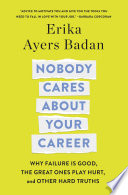
Nobody Cares About Your Career was written by Erika Ayers Badan.
If you enjoyed Nobody Cares About Your Career by Erika Ayers Badan and want to explore similar topics or deepen your understanding, we highly recommend these related book summaries:
These books cover related themes, complementary concepts, and will help you build upon the knowledge gained from Nobody Cares About Your Career. Each of these summaries provides concise insights that can further enhance your understanding and practical application of the ideas presented in Nobody Cares About Your Career.