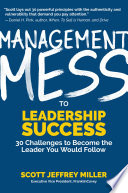
Book cover Management Mess to Leadership Success
Select an audio
0:00
Intro - Management Mess to Leadership Success --:--
1. Self-Awareness --:--
2. Emotional Intelligence --:--
3. Authenticity --:--
4. Communication Skills --:--
5. Adaptability --:--
6. Mentorship and Coaching --:--
7. Vision and Purpose --:--

Management Mess to Leadership Success

Scott Jeffrey Miller

30 Challenges to Become the Leader You Would Follow

24 min

Summary

Management Mess to Leadership Success is a comprehensive guide that explores the journey from ineffective management to impactful leadership. The author, Scott Miller, draws on his extensive experience in leadership roles to provide insights and practical strategies for aspiring and current leaders. The book is structured around seven key ideas that are essential for developing effective leadership skills. It begins by emphasizing the importance of self-awareness, encouraging leaders to reflect on their strengths, weaknesses, and values. This foundational concept sets the stage for the subsequent discussions on emotional intelligence, authenticity, communication skills, adaptability, mentorship, and vision. Each idea is supported by real-life examples, actionable advice, and reflective exercises that readers can implement in their own leadership journeys. The book also addresses common challenges leaders face, such as navigating difficult conversations, managing team dynamics, and leading through change. By focusing on personal growth and development, Miller encourages leaders to embrace their unique qualities and lead with integrity. The emphasis on emotional intelligence highlights the importance of understanding and managing emotions, both in oneself and in others. This skill is crucial for building strong relationships and fostering a positive team culture. The idea of authenticity reinforces the need for leaders to be genuine and transparent, creating an environment where team members feel safe to express themselves. Communication skills are explored in depth, with practical tips for improving clarity and fostering open dialogue. The book also stresses the importance of adaptability in today’s fast-paced business landscape, encouraging leaders to remain flexible and open to change. Mentorship and coaching are presented as vital components of leadership development, with a focus on building supportive relationships that empower team members. Finally, the book emphasizes the significance of having a clear vision and purpose, which serves as a guiding principle for leaders and their teams. Overall, Management Mess to Leadership Success is a valuable resource for anyone seeking to enhance their leadership skills and make a positive impact within their organizations. It combines theoretical insights with practical applications, making it accessible and relevant to a wide audience. Whether you are a new leader, an experienced manager, or someone looking to improve your leadership capabilities, this book offers valuable guidance and inspiration to help you navigate the complexities of leadership.

Self-Awareness

Self-awareness is a foundational element of effective leadership. The book emphasizes the importance of understanding one’s strengths, weaknesses, values, and motivations. Leaders who are self-aware can better navigate their emotions, make informed decisions, and understand how their behavior affects others. This idea encourages leaders to engage in introspection, seek feedback from peers, and be open to personal growth. By fostering self-awareness, leaders can build stronger relationships with their teams, create a culture of trust, and improve overall organizational performance.

Continue reading
Self-awareness is presented as a crucial pillar for effective leadership and is recognized as the starting point for personal and professional development. This concept goes beyond mere self-recognition; it involves a deep understanding of one’s own emotional landscape, including strengths, weaknesses, values, and motivations. In the realm of leadership, self-awareness allows individuals to navigate complex emotional situations with greater ease and clarity.

When leaders possess a clear understanding of their strengths, they can leverage these attributes to inspire and motivate their teams. Conversely, recognizing their weaknesses enables them to seek assistance or delegate tasks to others who may excel in those areas. This self-recognition fosters a more balanced and effective leadership style, as it encourages leaders to play to their strengths while addressing their limitations.

Moreover, self-awareness is intricately linked to emotional intelligence, which is the ability to recognize and manage one’s own emotions as well as the emotions of others. Leaders who are self-aware can better control their emotional reactions, allowing them to respond thoughtfully rather than react impulsively. This capability is essential in high-pressure situations, where emotions can run high, and decisions must be made swiftly. By maintaining composure and clarity, self-aware leaders can guide their teams through challenges with confidence.

The exploration of values is another critical aspect of self-awareness. Leaders who have a firm grasp on their personal values can align their actions and decisions with these principles. This alignment not only enhances their authenticity but also builds credibility and trust with their teams. When team members see that their leader acts in accordance with their stated values, they are more likely to feel secure and motivated, fostering a positive work environment.

To cultivate self-awareness, leaders are encouraged to engage in regular introspection. This could involve reflective practices such as journaling, meditation, or simply taking time to think critically about their experiences and decisions. Additionally, seeking feedback from peers, mentors, and team members is vital. Constructive feedback provides insights that leaders might overlook, allowing them to see how their behaviors impact others. This openness to feedback is a hallmark of a growth mindset, which is essential for continuous improvement.

The journey toward self-awareness is often accompanied by a willingness to embrace personal growth. Leaders must be open to learning about themselves, which can sometimes be uncomfortable. However, this discomfort is a critical part of the development process. By confronting their blind spots and being receptive to change, leaders can evolve and adapt, ultimately becoming more effective in their roles.

Fostering a culture of self-awareness within teams can lead to substantial organizational benefits. When leaders model self-awareness, they encourage their teams to engage in similar practices. This collective commitment to understanding oneself and each other can lead to stronger relationships, enhanced collaboration, and a greater sense of trust within the organization. As team members become more self-aware, they are likely to communicate more openly, resolve conflicts more effectively, and work together more harmoniously.

In summary, self-awareness is not just a personal attribute; it is a foundational leadership competency that significantly impacts team dynamics and organizational success. By prioritizing self-awareness, leaders can create a culture that values introspection, feedback, and personal growth, ultimately leading to improved performance and a more engaged workforce.

Emotional Intelligence

Emotional intelligence (EQ) is highlighted as a critical skill for leaders. The book outlines the components of EQ, including self-regulation, empathy, and social skills. Leaders with high EQ can manage their own emotions and understand the emotional states of their team members. This ability allows them to respond appropriately to situations, resolve conflicts effectively, and inspire their teams. The author provides practical strategies for developing emotional intelligence, such as active listening, practicing empathy, and being aware of non-verbal cues, which can significantly enhance a leader's effectiveness.

Continue reading
Emotional intelligence, often referred to as EQ, is emphasized as an essential attribute for effective leadership. It encompasses a range of skills and competencies that enable leaders to navigate the complexities of interpersonal relationships and workplace dynamics. At its core, emotional intelligence involves the ability to recognize, understand, and manage one's own emotions while also being attuned to the emotions of others.

One of the fundamental components of emotional intelligence is self-regulation. This refers to a leader's capacity to control their emotional responses, particularly in high-pressure situations. Leaders who exhibit strong self-regulation can maintain composure, avoid impulsive reactions, and think clearly even when faced with challenges. This not only sets a positive example for their team but also fosters a stable work environment where employees feel secure and valued.

Empathy is another critical element of emotional intelligence. It involves the ability to put oneself in another person's shoes and understand their feelings and perspectives. Leaders who practice empathy can connect with their team members on a deeper level, recognizing their concerns and motivations. This connection builds trust and rapport, creating a culture of open communication where team members feel comfortable sharing their thoughts and feelings. Empathetic leaders are better equipped to address issues that may arise within the team, as they can perceive the emotional undercurrents that might be influencing behavior and performance.

Social skills are also a vital aspect of emotional intelligence. This encompasses a leader's ability to interact effectively with others, build relationships, and influence people in a positive way. Leaders with strong social skills can navigate the complexities of team dynamics, facilitate collaboration, and motivate their team members towards common goals. They are adept at resolving conflicts and mediating disputes, ensuring that team cohesion is maintained even in challenging situations.

The importance of emotional intelligence in leadership cannot be overstated. Leaders who possess high levels of EQ are often more effective in inspiring and guiding their teams. They can create an environment where employees feel valued and understood, which in turn enhances morale and productivity. The book provides practical strategies for developing emotional intelligence, emphasizing the need for self-reflection and continuous improvement.

Active listening is highlighted as a crucial skill for leaders seeking to improve their emotional intelligence. This involves fully engaging with team members during conversations, demonstrating genuine interest in their thoughts and feelings. By practicing active listening, leaders can gain valuable insights into their team's emotional states and respond in ways that acknowledge and validate those feelings.

Practicing empathy is also encouraged as a means of enhancing emotional intelligence. This can involve taking the time to understand the challenges and pressures that team members face, and being responsive to their needs. By fostering a culture of empathy, leaders can create a supportive environment that encourages collaboration and innovation.

Additionally, being aware of non-verbal cues is an essential skill for leaders looking to enhance their emotional intelligence. Body language, facial expressions, and tone of voice can all convey important information about how team members are feeling. By being attuned to these non-verbal signals, leaders can better gauge the emotional climate of their team and adjust their approach accordingly.

In summary, emotional intelligence is a multifaceted skill set that is vital for effective leadership. By developing self-regulation, empathy, and social skills, leaders can create a positive and productive work environment, foster strong relationships with their team members, and ultimately drive organizational success. The practical strategies provided for enhancing emotional intelligence serve as a roadmap for leaders seeking to improve their effectiveness and impact within their organizations.

Authenticity

Authenticity in leadership is about being genuine and true to oneself. The book stresses that leaders should embrace their unique qualities and lead with integrity. Authentic leaders foster an environment where team members feel safe to express their thoughts and ideas. This idea encourages leaders to share their vulnerabilities and experiences, which can help build deeper connections with their teams. By being authentic, leaders can cultivate trust and loyalty, leading to a more engaged and motivated workforce.

Continue reading
Authenticity in leadership is a multifaceted concept that revolves around the idea of being true to oneself, which is crucial for effective leadership. It begins with self-awareness, where leaders must understand their strengths, weaknesses, values, and beliefs. This deep understanding enables leaders to present themselves genuinely, rather than adopting a facade that may not align with their true selves. Authentic leaders recognize that their individuality is a strength and that embracing their unique qualities can inspire others.

When leaders operate from a place of authenticity, they create a supportive environment where team members feel comfortable sharing their thoughts, ideas, and even dissenting opinions. This openness is essential for fostering creativity and innovation within a team. When employees feel safe to express themselves without fear of judgment or retribution, they are more likely to contribute actively, leading to enhanced collaboration and problem-solving.

Moreover, authenticity encourages leaders to share their vulnerabilities and personal experiences. By doing so, they humanize themselves and connect on a deeper level with their team members. This sharing can manifest in various ways, such as admitting mistakes, discussing challenges they have faced, or revealing their motivations and aspirations. Such openness not only strengthens relationships but also demonstrates that it is acceptable to be imperfect, which can alleviate pressure and foster a culture of learning and growth.

Building trust is another critical aspect of authenticity in leadership. When leaders are genuine in their actions and communications, they cultivate an atmosphere of trust and loyalty among their team members. Trust is foundational for any successful team dynamic; it encourages open dialogue, reduces the likelihood of misunderstandings, and enhances overall morale. A trusted leader is more likely to inspire commitment and engagement, leading to a motivated workforce that is aligned with the organization’s goals.

Furthermore, authenticity can lead to a more resilient organization. In challenging times, authentic leaders can provide clarity and reassurance, as their teams are more likely to rally around a leader they trust and respect. This resilience is built on the foundation of strong relationships, open communication, and shared values, all of which stem from authentic leadership.

In summary, authenticity in leadership is not merely a personal trait but a strategic approach that can transform team dynamics and organizational culture. By being genuine, embracing their individuality, and fostering an environment of trust and openness, leaders can create a more engaged, motivated, and resilient workforce. This approach not only benefits the leader but also significantly enhances the overall performance and satisfaction of the team.

Communication Skills

Effective communication is a cornerstone of successful leadership. The book discusses the importance of clear and open communication in fostering collaboration and understanding within teams. It offers practical tips for improving communication skills, such as being concise, actively listening, and adapting one’s communication style to suit different audiences. The author emphasizes that leaders should not only convey information but also encourage dialogue and feedback. By enhancing communication skills, leaders can ensure that their messages are understood and that their teams feel valued and heard.

Continue reading
Effective communication is indeed a fundamental pillar of successful leadership, as it directly influences the dynamics within a team and the overall organizational culture. The discussion around communication skills delves into several key aspects that are essential for leaders aiming to foster an environment of collaboration and mutual understanding.

At the heart of effective communication lies the necessity for clarity. Leaders are often tasked with conveying complex ideas and strategic objectives to their teams. Thus, the ability to articulate thoughts in a straightforward manner is crucial. This involves not only choosing the right words but also structuring messages in a way that makes them easily digestible. Leaders should strive to avoid jargon and overly technical language that could alienate team members or lead to misunderstandings.

Active listening is another vital component emphasized in the discourse on communication skills. It is not enough for leaders to simply relay information; they must also engage with their team members by genuinely listening to their perspectives and concerns. This involves paying full attention during conversations, asking clarifying questions, and reflecting back what has been said to ensure understanding. By demonstrating that they value input from their team, leaders can cultivate trust and encourage a more open exchange of ideas.

Moreover, adapting one’s communication style to fit different audiences is highlighted as a critical skill for leaders. Not every team member will respond to the same type of communication, and recognizing the diversity in communication preferences can enhance the effectiveness of interactions. For instance, some individuals may prefer direct and succinct messages, while others might appreciate a more detailed and narrative approach. By being attuned to these differences, leaders can tailor their communications to resonate better with their audiences, thereby increasing engagement and comprehension.

Encouraging dialogue and feedback is another essential aspect of effective communication. Leaders should create a safe space where team members feel comfortable sharing their thoughts and asking questions. This two-way communication fosters an atmosphere of collaboration, where ideas can be exchanged freely, and innovation can thrive. Leaders should actively solicit feedback on their own communication as well, demonstrating a willingness to grow and adapt based on the needs of their team.

In summary, enhancing communication skills is not merely about improving the way information is shared; it is about building relationships, fostering trust, and creating an inclusive environment where all voices are heard. By prioritizing clear communication, active listening, adaptability, and open dialogue, leaders can significantly enhance their effectiveness and ensure that their teams are aligned, motivated, and engaged in their work.

Adaptability

In a rapidly changing business environment, adaptability is essential for leaders. The book highlights the need for leaders to be flexible and open to change. It discusses strategies for developing adaptability, such as embracing uncertainty, being willing to pivot when necessary, and fostering a culture of innovation within the team. Leaders who model adaptability can inspire their teams to be more resilient and responsive to challenges. This idea reinforces the importance of continuous learning and staying informed about industry trends and shifts.

Continue reading
In the context of leadership, adaptability is increasingly recognized as a vital trait for success in today's fast-paced and unpredictable business landscape. The discussion around adaptability emphasizes that leaders must not only accept change but also actively embrace it as a fundamental aspect of their role. This involves cultivating a mindset that views uncertainty not as a threat but as an opportunity for growth and innovation.

To effectively develop adaptability, leaders are encouraged to foster an environment where flexibility is valued. This means being open to new ideas and approaches, and demonstrating a willingness to pivot strategies when circumstances dictate. For instance, a leader might need to shift project goals in response to market feedback or emerging technologies. By modeling this behavior, leaders can set a powerful example for their teams, demonstrating that adaptability is not just a reactive measure but a proactive strategy.

Moreover, the concept of adaptability is closely tied to the idea of continuous learning. Leaders are urged to stay informed about industry trends, technological advancements, and shifts in consumer behavior. This ongoing education allows leaders to anticipate changes and prepare their teams accordingly. By encouraging a culture of learning within their organizations, leaders can inspire their teams to be curious and proactive, which enhances overall resilience.

Fostering a culture of innovation is another critical aspect of adaptability. Leaders are encouraged to create an environment where team members feel safe to experiment and take calculated risks. This involves not only encouraging creative thinking but also providing the necessary resources and support for innovation to thrive. When team members feel empowered to explore new ideas without fear of failure, they are more likely to contribute to solutions that can help the organization navigate change effectively.

Additionally, the discussion highlights the importance of emotional intelligence in adaptability. Leaders who are attuned to the emotional climate of their teams can better manage resistance to change and help their team members navigate their own responses to uncertainty. By demonstrating empathy and understanding, leaders can build trust and create a supportive atmosphere that encourages adaptability.

In summary, adaptability is portrayed as a multifaceted skill that goes beyond mere flexibility. It encompasses a proactive approach to change, a commitment to continuous learning, and the cultivation of an innovative culture. Leaders who embody these principles not only enhance their own effectiveness but also inspire their teams to be resilient, responsive, and capable of thriving in the face of challenges. This comprehensive understanding of adaptability underscores its critical role in effective leadership in contemporary organizations.

Mentorship and Coaching

The book emphasizes the role of mentorship and coaching in leadership development. It advocates for leaders to seek mentors who can provide guidance and support in their career journeys. Additionally, it encourages leaders to adopt a coaching mindset, helping their team members grow and develop their skills. By investing in mentorship and coaching, leaders can create a culture of learning and development, empowering their teams to reach their full potential. This idea underscores the importance of building relationships and fostering a supportive environment.

Continue reading
The concept of mentorship and coaching is presented as a cornerstone of effective leadership development, highlighting the transformative impact that these relationships can have on both individuals and organizations. The narrative encourages leaders to actively seek out mentors who possess the experience and wisdom necessary to guide them through the complexities of their career paths. A mentor serves not just as a source of advice but as an invaluable sounding board for ideas, challenges, and aspirations. This relationship can provide leaders with insights into navigating organizational politics, enhancing decision-making skills, and developing a strategic vision.

Furthermore, the text advocates for leaders to embrace a coaching mindset, which shifts the focus from merely managing tasks to fostering the growth and development of team members. This approach involves actively engaging with employees to understand their strengths, weaknesses, and career goals. Leaders are encouraged to ask probing questions that stimulate critical thinking and self-reflection among their team members. By doing so, they create an environment where individuals feel valued and empowered to take ownership of their professional development.

The investment in mentorship and coaching is framed as a way to cultivate a culture of continuous learning within the organization. When leaders prioritize these relationships, they signal to their teams that growth is not only encouraged but expected. This cultural shift can lead to increased employee engagement, higher retention rates, and improved overall performance, as team members feel supported in their development journeys.

Moreover, the text emphasizes the importance of building authentic relationships in these mentorship and coaching dynamics. Trust and open communication are essential components that allow for honest feedback and constructive criticism. Leaders are encouraged to model vulnerability by sharing their own challenges and learning experiences, which can foster a deeper connection and encourage team members to be open about their own struggles.

In summary, the emphasis on mentorship and coaching in leadership development is presented as a multifaceted approach that not only enhances individual capabilities but also strengthens the organization as a whole. By investing time and energy into these relationships, leaders can create an empowering environment that promotes learning, growth, and success for everyone involved. This holistic approach underscores the idea that leadership is not just about authority or position but about nurturing potential and fostering a thriving community of learners.

Vision and Purpose

Having a clear vision and purpose is crucial for effective leadership. The book discusses how leaders should articulate a compelling vision that aligns with the organization’s values and goals. This vision serves as a guiding light for the team, helping to motivate and inspire them. The author emphasizes the importance of involving team members in the vision-setting process, ensuring that everyone feels a sense of ownership and commitment. By establishing a strong vision and purpose, leaders can drive engagement and performance within their organizations.

Continue reading
Having a clear vision and purpose is fundamental to effective leadership, as it acts as the cornerstone for guiding both the leader’s actions and the team’s efforts. A well-articulated vision provides a picture of what the organization aspires to achieve in the long term. It is not merely a statement of goals but a vivid description of the desired future state that resonates deeply with the values and beliefs of both the organization and its members. This vision serves as a beacon, illuminating the path forward and helping to navigate through challenges and uncertainties.

The process of creating this vision should not be a solitary endeavor led solely by the leader. Instead, it is crucial to involve team members in the vision-setting process. This collaborative approach fosters a sense of ownership among team members, as they contribute their ideas and perspectives. When individuals feel that their voices are heard and valued, they are more likely to be committed to the vision. This commitment is essential for driving engagement, as it transforms the vision from a top-down directive into a shared aspiration that everyone can rally around.

In addition to fostering ownership, a compelling vision also serves to motivate and inspire the team. It gives meaning to their work and helps them understand how their individual contributions fit into the larger picture. When team members see how their roles align with the organization’s goals, they are more likely to be enthusiastic and invested in their tasks. This intrinsic motivation can lead to higher levels of performance, as individuals are driven not just by external rewards but by a genuine desire to contribute to something greater than themselves.

Furthermore, a strong vision and purpose can enhance decision-making within the organization. When faced with tough choices or dilemmas, leaders and team members can refer back to the vision to ensure that their actions are aligned with the overall goals and values of the organization. This alignment helps to create a cohesive and unified approach to challenges, reducing confusion and increasing efficiency.

Ultimately, the establishment of a clear vision and purpose is not a one-time task but an ongoing process. Leaders must continually communicate and reinforce the vision, ensuring that it remains relevant and inspiring as the organization evolves. Regularly revisiting the vision with the team can help to renew enthusiasm and commitment, especially during times of change or uncertainty. By investing time and energy into cultivating a shared vision, leaders can significantly enhance engagement, performance, and the overall success of their organizations.

Who Should Read This Book?

This book is ideal for aspiring leaders, current managers looking to enhance their leadership skills, and anyone interested in personal and professional development. It is particularly beneficial for individuals in corporate environments, non-profit organizations, and entrepreneurial ventures who seek to cultivate effective leadership practices and foster positive team dynamics.

Summaries like Management Mess to Leadership Success

Positively Energizing Leadership
Kim Cameron
Virtuous Actions and Relationships That Create High Performance
22 min
Mastering Leadership
Robert J. Anderson, William A. Adams
An Integrated Framework for Breakthrough Performance and Extraordinary Business Results
21 min
No Bullsh!t Leadership
Martin G. Moore
21 min
The Mind of the Leader
Jacqueline Carter, Rasmus Hougaard
How to Lead Yourself, Your People, and Your Organization for Extraordinary Results
20 min
Summary of The Wisdom of the Bullfrog
Justin Reese
Leadership Made Simple (But Not Easy)
19 min
Unlock Your Leadership Story
Pat Wadors
How to Build Understanding and Motivate Teams Using Fables and Folktales
20 min
Smart Leadership
Jo Owen
The Ultimate Handbook for Great Leaders
21 min
Serve Up Coach Down
Nathan Jamail
Mastering both sides of leadership
21 min
A Team of Leaders
Paul GUSTAVSON, Stewart Liff
Empowering Every Member to Take Ownership, Demonstrate Initiative, and Deliver Results
20 min
The Leader Lab
LeeAnn Renninger, Tania Luna
Core Skills to Become a Great Manager, Faster
20 min
Primal Leadership
Annie McKee, Daniel Goleman, Richard E. Boyatzis
Unleashing the Power of Emotional Intelligence
20 min
The Bullseye Principle
David Lewis, G. Riley Mills
Mastering Intention-Based Communication to Collaborate, Execute, and Succeed
20 min
Bringing Up the Boss
Rachel Pacheco
Practical Lessons for New Managers
20 min
The Silent Language of Leaders
Carol Kinsey Goman
How Body Language Can Help--or Hurt--How You Lead
20 min
Simple Truths of Leadership Playbook
Ken Blanchard, Kenneth H. Blanchard, Randy Conley
A 52-Week Game Plan for Becoming a Trusted Servant Leader
20 min

About the Author

Scott Jeffrey Miller

Scott Jeffrey Miller is a prominent figure in the fields of business and personal development, known for his work as an author, speaker, and consultant. He has gained recognition for his insights into leadership and organizational culture, often emphasizing the importance of effective communication and personal accountability in achieving success.

Miller is particularly noted for his role at FranklinCovey, a global consulting firm specializing in performance improvement. He has held various leadership positions within the organization, contributing to its mission of helping individuals and organizations achieve their goals through effective training and development programs.

As an author, Miller has written several books that focus on leadership principles and personal growth. His writing often draws from his extensive experience in the corporate world, providing practical advice and strategies for professionals seeking to enhance their leadership skills and drive organizational success.

In addition to his writing, Miller is a sought-after speaker, frequently sharing his expertise at conferences and events. He is known for his engaging presentation style and ability to connect with diverse audiences, making complex concepts accessible and actionable.

Overall, Scott Jeffrey Miller is recognized for his contributions to the discourse on leadership and personal development, helping individuals and organizations navigate the challenges of today's business environment.

Management Mess to Leadership Success FAQs

How long does it take to read Management Mess to Leadership Success?

The reading time for Management Mess to Leadership Success depends on the reader's pace. However, this concise book summary covers the 7 key ideas from Management Mess to Leadership Success, allowing you to quickly understand the main concepts, insights, and practical applications in around 24 min.

Is Management Mess to Leadership Success a good book? Is it worth reading?

Management Mess to Leadership Success is definitely worth reading. The book covers essential topics including Self-Awareness, Emotional Intelligence, Authenticity, providing practical insights and actionable advice. Whether you read the full book or our concise summary, Management Mess to Leadership Success delivers valuable knowledge that can help you improve your understanding and apply these concepts in your personal or professional life.

Who is the author of Management Mess to Leadership Success?

Management Mess to Leadership Success was written by Scott Jeffrey Miller.

What to read after Management Mess to Leadership Success?

If you enjoyed Management Mess to Leadership Success by Scott Jeffrey Miller and want to explore similar topics or deepen your understanding, we highly recommend these related book summaries:

  • Positively Energizing Leadership by Kim Cameron
  • Mastering Leadership by Robert J. Anderson, William A. Adams
  • No Bullsh!t Leadership by Martin G. Moore
  • The Mind of the Leader by Jacqueline Carter, Rasmus Hougaard
  • Summary of The Wisdom of the Bullfrog by Justin Reese

These books cover related themes, complementary concepts, and will help you build upon the knowledge gained from Management Mess to Leadership Success. Each of these summaries provides concise insights that can further enhance your understanding and practical application of the ideas presented in Management Mess to Leadership Success.