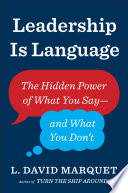
The book emphasizes that language is a powerful tool in leadership. It shapes thoughts, influences behaviors, and affects the overall culture within an organization. Leaders must be mindful of their language choices, as they can either empower or disempower their teams. The author argues that traditional leadership language often relies on authority and control, which can stifle creativity and collaboration. Instead, leaders should adopt a more inclusive and collaborative language that encourages dialogue and innovation. This shift in language fosters a culture of trust and psychological safety, allowing team members to voice their ideas and concerns freely.
Continue readingThe shift from a command-and-control leadership style to a collaborative dialogue is crucial for modern organizations. The book details how traditional leadership often involves issuing commands and making unilateral decisions, which can lead to disengagement and resentment among team members. In contrast, collaborative dialogue promotes open communication, where leaders actively listen to their team members and incorporate their input into decision-making processes. This approach not only enhances team morale but also leads to better problem-solving and innovation, as diverse perspectives are valued and integrated.
Continue readingListening is presented as a critical leadership skill in the book. Effective leaders do not just speak; they also listen actively to their team members. The author highlights that listening goes beyond hearing words; it involves understanding the emotions and intentions behind those words. By practicing active listening, leaders can build stronger relationships with their team members, gain valuable insights, and foster a culture of respect and inclusivity. This practice not only empowers employees but also enhances the quality of decisions made within the organization.
Continue readingFeedback is essential for growth and improvement, and the book emphasizes the need for a culture that encourages constructive feedback. Leaders should model this behavior by seeking feedback on their performance and demonstrating that they value input from others. By creating an environment where feedback is welcomed and acted upon, leaders can help their teams develop and improve continuously. This culture of feedback not only enhances individual performance but also contributes to the overall success of the organization.
Continue readingStorytelling is identified as a powerful tool for leaders to connect with their teams and communicate their vision effectively. The author explains that stories can inspire, motivate, and create a shared sense of purpose among team members. By using storytelling, leaders can convey complex ideas in relatable ways, making it easier for their teams to understand and engage with the organization's goals. This technique also helps to humanize the leader, fostering a deeper connection with team members and enhancing their commitment to the organization's mission.
Continue readingThe book discusses the importance of adapting language to suit different contexts and audiences. Leaders must be aware of the impact their words have and adjust their communication style based on the needs and dynamics of their team. This adaptability ensures that messages are received as intended and that team members feel understood and valued. The ability to switch between different communication styles can enhance a leader's effectiveness and strengthen their relationships with team members.
Continue readingTrust is a foundational element of effective leadership, and the book illustrates how language plays a vital role in building and maintaining trust within teams. Leaders who communicate transparently, honestly, and consistently create an environment where team members feel safe and valued. The author emphasizes that trust is built over time through consistent actions and language, and it can be easily broken by inconsistency or dishonesty. Therefore, leaders must be intentional about their language choices to foster trust and loyalty among their teams.
Continue readingThe reading time for Leadership Is Language depends on the reader's pace. However, this concise book summary covers the 7 key ideas from Leadership Is Language, allowing you to quickly understand the main concepts, insights, and practical applications in around 20 min.
Leadership Is Language is definitely worth reading. The book covers essential topics including The Power of Language in Leadership, From Command-and-Control to Collaborative Dialogue, The Importance of Listening, providing practical insights and actionable advice. Whether you read the full book or our concise summary, Leadership Is Language delivers valuable knowledge that can help you improve your understanding and apply these concepts in your personal or professional life.
Leadership Is Language was written by L. David Marquet.
If you enjoyed Leadership Is Language by L. David Marquet and want to explore similar topics or deepen your understanding, we highly recommend these related book summaries:
These books cover related themes, complementary concepts, and will help you build upon the knowledge gained from Leadership Is Language. Each of these summaries provides concise insights that can further enhance your understanding and practical application of the ideas presented in Leadership Is Language.