The book emphasizes the importance of acknowledging and embracing winter as a season of change and reflection. Winter is often seen as a time of dormancy, but the author argues that it can also be a period of growth and renewal. By embracing the cold and the darkness, individuals can find opportunities for introspection and personal development. This idea encourages readers to shift their mindset about winter from one of negativity to one of potential, suggesting that the challenges of winter can lead to significant breakthroughs in personal and professional life.
Continue readingResilience is a central theme in 'How to Winter.' The author discusses how winter can be a metaphor for life's challenges and adversities. By cultivating resilience, individuals can better navigate through tough times. The book provides practical strategies for building resilience, such as setting realistic goals, maintaining a support network, and practicing self-care. The author draws on personal anecdotes and research to illustrate how resilience can be developed and strengthened over time, making it a crucial skill for anyone looking to thrive in both their personal and professional lives.
Continue readingIn the context of winter, nurturing connections with others becomes vital. The book highlights the importance of relationships and community, especially during challenging times. The author suggests that winter is an ideal time to strengthen bonds with family and friends through shared experiences and support. This idea encourages readers to prioritize their relationships, emphasizing that social connections can provide warmth and comfort when external circumstances are harsh. The book offers practical tips for fostering these connections, such as organizing gatherings or reaching out to loved ones regularly.
Continue readingThe author posits that winter is a unique opportunity for inner growth and self-discovery. The quiet and stillness of the season allows individuals to reflect on their goals, values, and aspirations. The book encourages readers to take advantage of this introspective time to engage in activities that promote personal development, such as journaling, meditation, or exploring new hobbies. By focusing on inner growth, individuals can emerge from winter with a clearer sense of purpose and direction, ready to tackle the challenges of the upcoming seasons.
Continue readingAnother key idea in 'How to Winter' is the importance of planning for the future during the winter months. The author suggests that while winter may seem like a time of inactivity, it can actually be a strategic period for setting goals and preparing for the year ahead. The book provides frameworks for effective planning, including setting SMART goals and creating actionable steps to achieve them. By using winter as a time to strategize, readers can position themselves for success when spring arrives, turning the season into a productive phase rather than a stagnant one.
Continue readingThe book encourages readers to tap into their creative potential during winter. The author discusses how the colder months can inspire creativity, as the quiet of winter allows for deeper thinking and exploration of new ideas. The idea is to use this time to engage in creative pursuits, whether through art, writing, or innovative problem-solving in work environments. The author provides exercises and prompts to stimulate creativity, emphasizing that embracing this aspect can lead to breakthroughs in personal fulfillment and professional innovation.
Continue readingFinally, 'How to Winter' emphasizes the power of gratitude, particularly during challenging times. The author explains that practicing gratitude can shift one's perspective and foster a more positive outlook. By focusing on what one is thankful for, even in the depths of winter, individuals can cultivate joy and resilience. The book includes practical exercises for incorporating gratitude into daily life, such as keeping a gratitude journal or sharing appreciation with others, reinforcing the idea that a grateful mindset can enhance overall well-being.
Continue readingThe reading time for How to Winter depends on the reader's pace. However, this concise book summary covers the 7 key ideas from How to Winter, allowing you to quickly understand the main concepts, insights, and practical applications in around 21 min.
How to Winter is definitely worth reading. The book covers essential topics including Embrace the Season, Cultivate Resilience, Nurture Connections, providing practical insights and actionable advice. Whether you read the full book or our concise summary, How to Winter delivers valuable knowledge that can help you improve your understanding and apply these concepts in your personal or professional life.
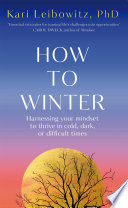
How to Winter was written by Kari Leibowitz.
If you enjoyed How to Winter by Kari Leibowitz and want to explore similar topics or deepen your understanding, we highly recommend these related book summaries:
These books cover related themes, complementary concepts, and will help you build upon the knowledge gained from How to Winter. Each of these summaries provides concise insights that can further enhance your understanding and practical application of the ideas presented in How to Winter.