The book emphasizes a structured approach to problem-solving, which consists of defining the problem, disaggregating it, prioritizing issues, conducting analysis, developing solutions, and communicating results. This systematic method ensures that problems are addressed comprehensively and effectively. The authors argue that many failures in problem-solving stem from a lack of clarity in defining the problem itself. By focusing on a clear problem statement, one can avoid unnecessary complications and misdirected efforts. Moreover, breaking down complex problems into manageable parts allows for targeted analysis and prioritization, ensuring that the most critical aspects are addressed first.
Continue readingA significant theme in the book is the importance of using data to inform decisions. The authors advocate for a fact-based approach, where decisions are grounded in quantitative analysis rather than intuition or anecdotal evidence. This involves collecting relevant data, analyzing it to uncover insights, and using these insights to guide the decision-making process. The book provides frameworks for effective data analysis, emphasizing the need for robust data collection techniques and the ability to interpret data accurately. By relying on data, problem-solvers can mitigate biases and improve the quality of their decisions.
Continue readingWhile structure and data are vital, the authors also highlight the necessity of creativity in problem-solving. They argue that innovative solutions often emerge from thinking outside the box and exploring unconventional ideas. The book encourages readers to foster an environment where creative thinking is valued, and brainstorming sessions are utilized to generate diverse solutions. Techniques such as mind mapping and the use of analogies can help stimulate creative thought. The authors stress that creativity should not be seen as an opposing force to structured problem-solving but rather as a complementary element that enhances the overall process.
Continue readingThe book underscores the importance of collaboration in problem-solving. Complex problems often require input from multiple stakeholders, and diverse teams can bring different perspectives and expertise to the table. The authors provide strategies for effective teamwork, such as establishing clear roles, fostering open communication, and creating a culture of trust. They also discuss the challenges that can arise in team settings, such as groupthink and conflict, and suggest ways to navigate these issues. By leveraging the strengths of a team, problem-solvers can arrive at more comprehensive and effective solutions.
Continue readingThe authors advocate for an iterative approach to problem-solving, where solutions are tested and refined over time. Instead of seeking a perfect solution from the outset, problem-solvers are encouraged to develop prototypes or pilot programs that can be evaluated and improved. This iterative process allows for flexibility and adaptability, enabling teams to respond to feedback and changing circumstances. The book illustrates this concept with real-world examples, showing how organizations have successfully implemented iterative strategies to tackle complex challenges.
Continue readingOnce solutions have been developed, communicating them effectively is crucial for implementation. The authors emphasize the need for clear, concise, and persuasive communication tailored to the audience. This includes not only presenting the solution but also explaining the rationale behind it and addressing potential concerns. The book provides tips for crafting compelling narratives and utilizing visual aids to enhance understanding. By mastering the art of communication, problem-solvers can ensure that their solutions are well-received and supported by key stakeholders.
Continue readingThe final key idea revolves around the importance of continuous learning and adaptation in the problem-solving process. The authors argue that the landscape in which problems exist is constantly changing, and problem-solvers must be willing to learn from their experiences and adapt their approaches accordingly. This involves reflecting on past successes and failures, seeking feedback, and staying informed about new trends and methodologies. By cultivating a mindset of lifelong learning, individuals and organizations can enhance their problem-solving capabilities and remain resilient in the face of challenges.
Continue readingThe reading time for Bulletproof Problem Solving depends on the reader's pace. However, this concise book summary covers the 7 key ideas from Bulletproof Problem Solving, allowing you to quickly understand the main concepts, insights, and practical applications in around 25 min.
Bulletproof Problem Solving is definitely worth reading. The book covers essential topics including The Problem-Solving Process, Data-Driven Decision Making, Creativity in Problem Solving, providing practical insights and actionable advice. Whether you read the full book or our concise summary, Bulletproof Problem Solving delivers valuable knowledge that can help you improve your understanding and apply these concepts in your personal or professional life.
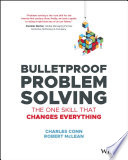
Bulletproof Problem Solving was written by Charles Conn, Robert McLean.
If you enjoyed Bulletproof Problem Solving by Charles Conn, Robert McLean and want to explore similar topics or deepen your understanding, we highly recommend these related book summaries:
These books cover related themes, complementary concepts, and will help you build upon the knowledge gained from Bulletproof Problem Solving. Each of these summaries provides concise insights that can further enhance your understanding and practical application of the ideas presented in Bulletproof Problem Solving.